


Approvals fall from 56% to about one third
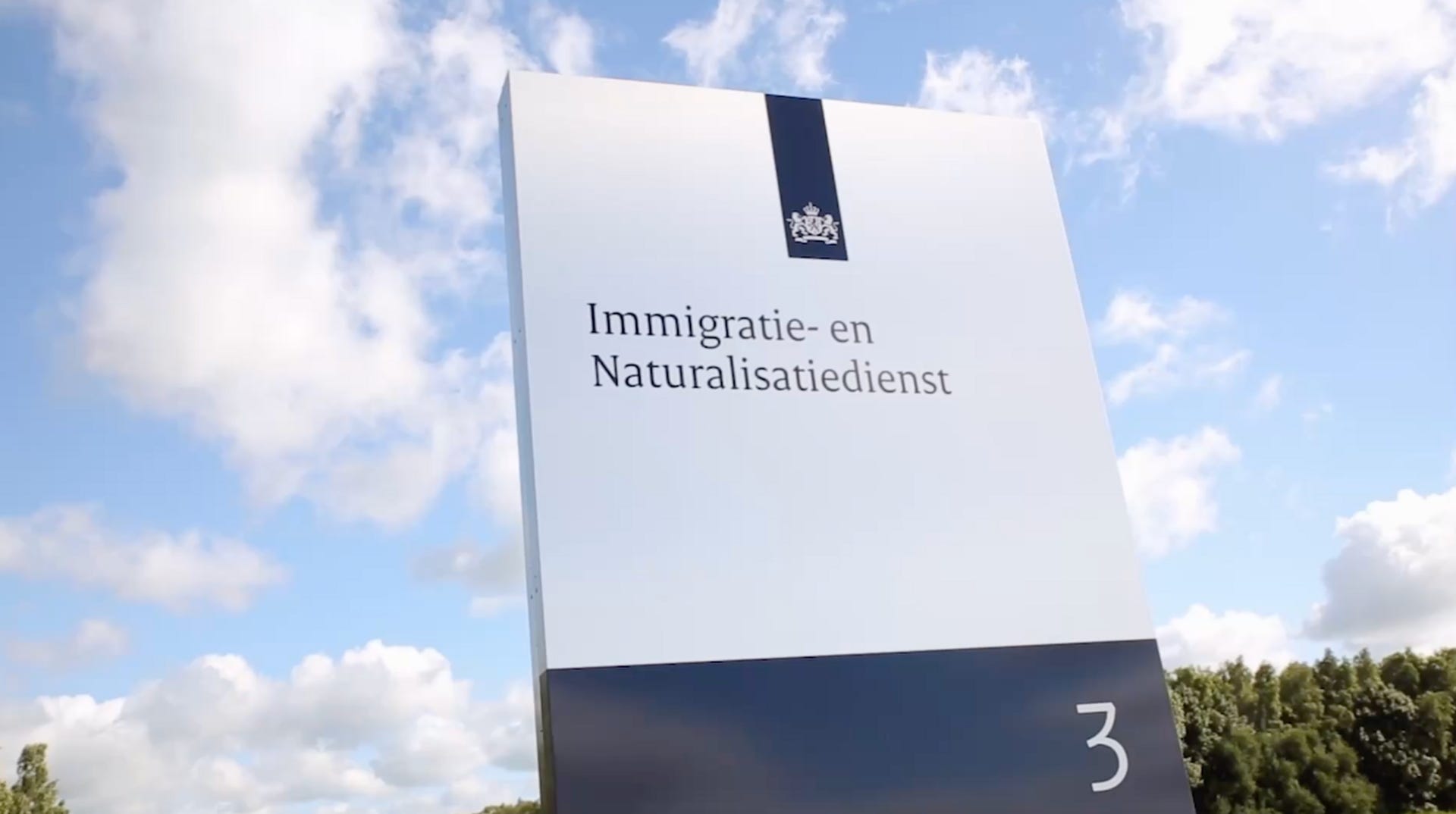
The Dutch Immigration and Naturalisation Service (IND) has approved far fewer first-time asylum applications in 2025 than in 2024. According to NOS, the IND granted about one third of first-time applications this year, down from 56% last year.
Over a rolling 12-month period (November 2024 to October 2025), IND figures show 35% of first-time asylum decisions were positive, according to reporting based on the same IND dataset.
What the IND says is driving the change
NOS reports several reasons for the drop, but highlights one major shift: Syrian applications are being handled differently than before. According to an IND spokesperson cited by NOS, many Syrian requests have been rejected since June, because Syria is increasingly being treated as safe for many applicants after political changes there.
The IND also says it is rejecting more cases where people have already applied for asylum in another EU country, because under EU rules the Netherlands is often not responsible for processing those claims.
Fewer approvals, but also fewer first-time applications
The drop in approvals is happening alongside a broader decline in first-time asylum requests. Statistics Netherlands (CBS), using IND data, reported that the Netherlands received 16,600 first-time asylum applications in the first nine months of 2025, which is 33% fewer than in the same period in 2024.
CBS also notes a big change in where applicants are coming from. In the first nine months of 2025, Syrians accounted for about 2,400 first-time applications, down from 8,900 a year earlier. Over the same period, first-time applications from Eritrea rose to about 2,400, more than double the previous year.
Why the Netherlands is “no longer Europe’s top approver”
In previous years, the Netherlands was often among the EU countries with higher recognition rates. Current IND figures show the country has now moved closer to the European middle range, rather than standing out as an outlier.
That shift is linked to the same factors named by the IND: a larger share of cases being rejected due to changed country assessments and stricter individual review, especially for countries where authorities believe security conditions have improved.
What the 2025 decision numbers look like
NOS reports that the IND received around 38,000 asylum applications this year (in the context of first-time decisions), with roughly 13,000 granted and 25,000 rejected. Applicants came largely from countries including Syria, Eritrea, Turkey, Yemen, and Somalia.
The IND spokesperson quoted by NOS said that applicants from places with severe ongoing conflict, such as Eritrea and Somalia, still tend to have a higher chance of receiving protection.
Why this matters for the national debate
The approval rate is politically sensitive because it affects both asylum reception planning and the wider debate about capacity, housing, and integration. A lower approval rate can mean more rejections and returns, but it can also increase pressure on the system if procedures and appeals take longer, or if decisions become more complex and case-by-case.
At the same time, the overall number of first-time applications falling in 2025 suggests the situation is not only about tougher decisions, but also about fewer people applying in the first place, especially from Syria.
What to watch next
Two developments will shape how this story continues into 2026:
Whether the IND continues to treat countries like Syria differently, and how courts respond to appeals
Whether the mix of applicant nationalities keeps shifting, since recognition rates vary widely by country of origin
For now, the clearest takeaway from the latest data is that the Netherlands is granting asylum much less often than last year, and that the change is closely tied to both fewer Syrian cases and stricter assessments across the board.