


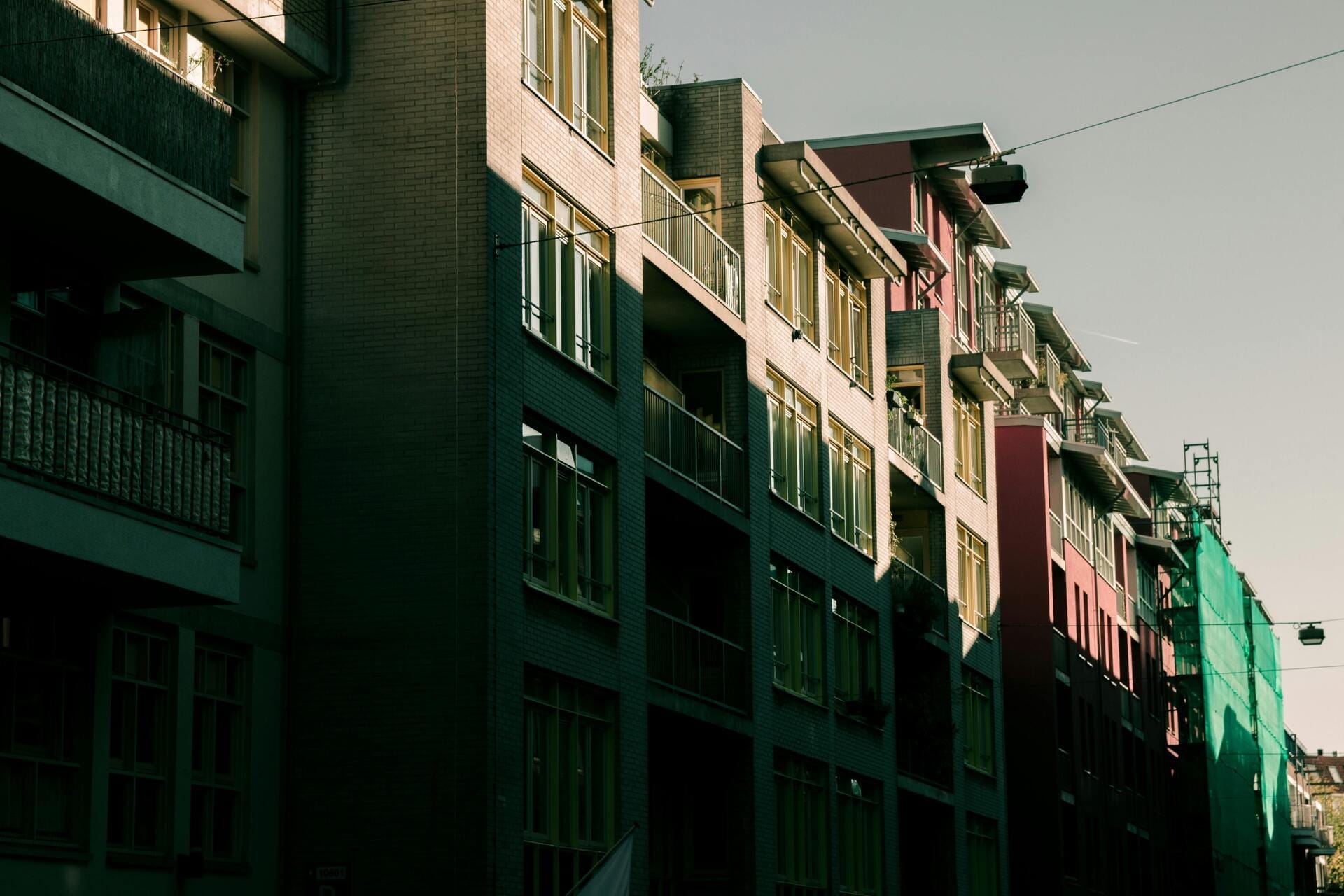

It now takes almost two years to complete the average home in the Netherlands after a building permit has been issued, compared to just 1.5 years a decade ago, according to new figures from Statistics Netherlands (CBS). The lengthening construction times are adding to the country's severe housing shortage and threatening efforts to build 100,000 new homes annually.
Construction Times Steadily Increasing
Of the new homes completed in the first three quarters of 2025, half had their first permit issued less than 23 months ago. The fastest quarter of homes was completed less than 16 months after the first permit was issued, and the slowest quarter took over 35 months.
The contrast with a decade ago is significant. In 2015, half of newly constructed homes were delivered within 16 months of the first permit, and three-quarters were completed within 25 months. Today's average construction time of 23 months represents a nearly 50% increase from that baseline.
Construction is especially taking longer in urban areas, where projects face additional complexity from dense neighbourhoods, infrastructure constraints, and stricter regulations. The problem extends beyond residential construction: other types of buildings like schools, offices, and shops are also taking longer to build than ten years ago: 20 months compared to 15 months.
Multiple Factors Driving Delays
The longer construction times come from a combination of structural problems plaguing the Dutch building sector:
Electricity grid congestion: A severe shortage of electricity connections is causing long delays in Dutch housing construction. Ramon Testroote, director of Limburg housing association Wonen Zuid, says several projects are ready for construction but must wait up to 18 months for network operators Enexis and Stedin to approve electric connections.
Nitrogen regulations: Environmental restrictions related to nitrogen emissions continue to complicate construction timelines, particularly for projects near protected nature areas. These regulations require extensive assessment procedures before building can begin.
Permit procedures: Delays are often caused by lengthy permit procedures. To tackle this, Noord-Holland province has launched a Housing Acceleration Desk, with project management firms assisting municipalities.
Labor shortages: The construction sector has ongoing shortages of skilled workers, from bricklayers to project managers, slowing down both the planning and execution phases of projects.
Financial constraints: In over half of projects, costs exceed revenues, often due to high land purchase prices. Deficits can quickly range from €10,000 to €35,000 per home, with municipalities frequently covering the gap.
The Permit-to-Completion Gap Widens
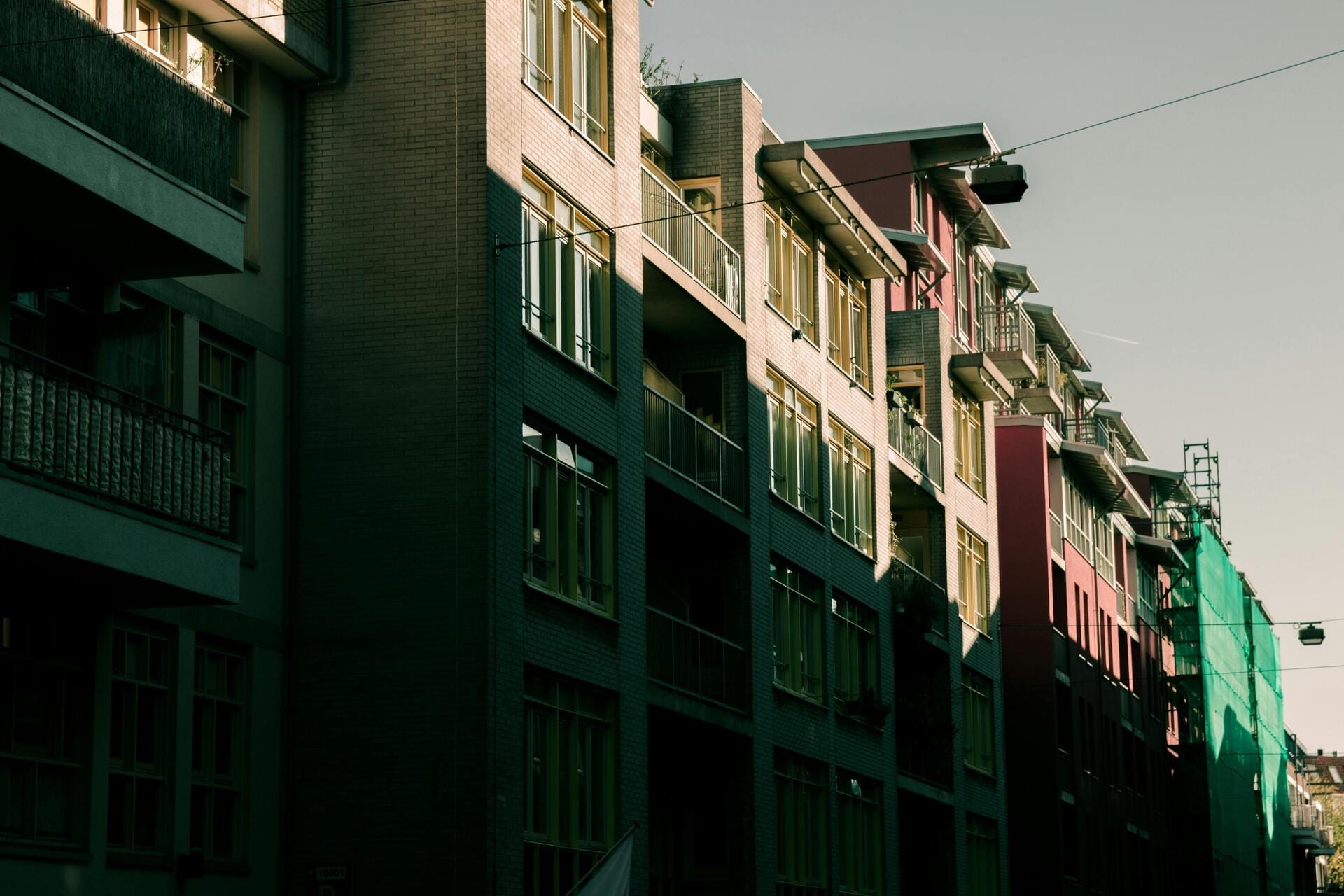
Dutch municipalities issued permits for 22,600 new homes in the third quarter of 2025, an increase of 3,100 compared with the same period last year. Despite the increase in permits, only 14,800 new homes were completed, 2,300 fewer than in the third quarter of 2024, due to issues mentioned earlier.
In general, an increase in the number of permits only results in an increase in the number of completed homes after 18 months, mainly due to the often long construction time. However, with construction times now stretching to 23 months or longer, this lag is extending even further.
Half a Million Homes at Risk
The construction delays end up failing to meet national housing targets. Provinces warn that the building of around 500,000 homes could be further delayed in the coming years, primarily because of the nitrogen regulations and an overburdened electricity network.
Under regional housing deals, provinces and municipalities have committed to building nearly one million homes by 2030. In the first three years, roughly 260,000 homes were completed, but last year output dropped to 84,000, falling short of the planned increase toward 100,000.
"The combination of obstacles makes fulfilling the housing deals extremely challenging," the Interprovincial Consultation (IPO) states. "At least half of the remaining housing target in the Netherlands, around 500,000 homes, will face major delays or could be at risk of not being built".
Government Response: Relaxing Building Standards
Facing these challenges, Housing Minister Mona Keijzer has proposed relaxing building regulations to speed up construction and reduce costs. Keijzer plans to adjust several regulations, including those related to ceiling and door heights, stair steepness, sound and daylight requirements, with the hope of reaching the government's target of building 100,000 houses every year.
However, the proposal has drawn criticism from housing associations and architects. Housing association Vereniging Eigen Huis warns that "lower ceilings, steeper stairs and more flexible requirements for ventilation and daylight have a negative impact on the quality of living".
At a December 2024 housing summit, agreements were made with the market for 75,000 homes, mainly in the Utrecht-Nieuwegein region. The government also launched the STOER program (Scrapping Contradictory and Unnecessary Regulations) to eliminate rules hindering construction.
The Paradox of Vacant Homes
Adding to the frustration, nearly 201,000 homes in the Netherlands currently stand vacant, with Amsterdam alone accounting for 11% of these empty properties. Many of these vacancies result from slow municipal procedures for renovations and conversions.
Property investor spokesperson Touw noted that "municipalities often set requirements for splitting large buildings into smaller apartments that are too strict, leading to long delays. Our members also often have to wait a long time for permits for transformations and essential renovations".
Expert Opinions: Crisis Could Be Solved Faster
Despite the mounting challenges, some experts believe the housing shortage could be addressed relatively quickly with the right policies. Taco van Hoek, director of the Economic Institute for Construction, told De Telegraaf: "The housing debate is marred by perceptions that obscure solutions to the housing crisis, which are not particularly difficult or unfeasible. If we can maintain this pace for five years, the housing shortage can be resolved quickly".
Van Hoek criticised political focus on long-term solutions like building new cities, which wouldn't start until at least 2040, arguing that "costly time, money, and construction capacity are being wasted that could be used for direct solutions."
What This Means for the Housing Crisis
The lengthening construction times compound the Netherlands' severe housing shortage of over 400,000 homes. Even when permits are issued (a positive sign of future supply) the extended time to completion means relief for housing seekers remains months or years away.
The IPO urges the government to provide an additional 3 to 4 billion euros per year for housing construction and to amend relevant legislation addressing grid congestion and nitrogen problems. Without resolving these structural bottlenecks, construction delays will likely continue increasing, further postponing any resolution to the housing crisis.