


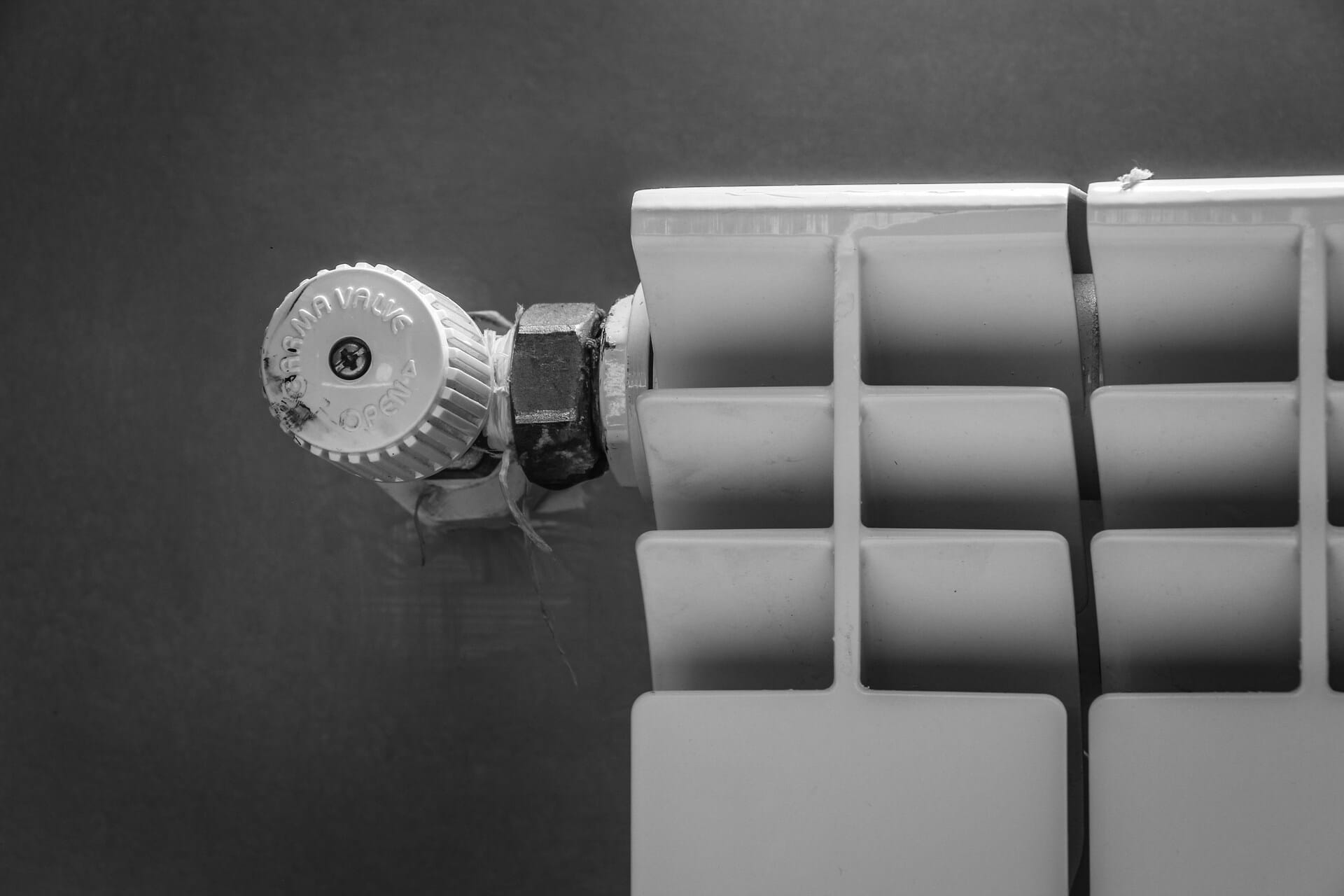
The Dutch government wants to quickly nationalise the Netherlands' largest district heating operators to revive the country's stalled transition away from gas heating, but a critical question remains unanswered: who will pay the estimated €2 billion to €5 billion needed for the takeovers?
Why nationalisation is on the table
The government is keen to nationalise the networks as a sweetener to encourage people to stop using gas-fired central heating. Officials believe they would be more willing to make the switch if they were not being forced into the hands of a private company, with no choice of supplier.
Currently, approximately 500,000 homes in the Netherlands are connected to district heating networks: collective systems that provide heat using surplus heat from industry, waste incineration, or renewable sources like geothermal energy. However, households connected to these systems have no choice of supplier and must pay whatever fees the monopoly operator charges, creating significant consumer dissatisfaction.
In particular, the government plans to bring the networks owned by Vattenfall, Eneco and Ennatuurlijk into public ownership as soon as possible. Together, the three companies account for about 85% of existing heat networks.
Progress stalled
Progress on expanding district heating has largely stalled in recent years, partly due to uncertainty surrounding the new legislation, which has now been approved in the senate. With nationalisation looming, private operators have scaled back investment, while rising costs and the poor public image of district heating have further slowed growth. Several major projects in Amsterdam, The Hague and Utrecht have been put on hold because of the disputes.
The stalemate is critical because district heating is supposed to be a cornerstone of Dutch climate policy. The Netherlands aims to become gas-free by 2050, and experts estimate that a third of Dutch homes (around 2.6 million connections by 2050) will need to rely on district heating to replace gas. Yet only about 15,000 new connections are added annually, far below the 80,000 to 100,000 needed each year to meet targets.
The funding problem
The new Collective Heat Act (Warmtewet), approved in July 2025, aims to resolve years of conflict between energy companies, housing corporations, and local authorities about pricing and control. Under the law, municipalities will take the lead in managing district heating zones starting in 2026, with a strong preference for public ownership.
However, implementing the takeovers faces a massive funding gap. State-owned Energie Beheer Nederland (EBN) is expected to play a central role and has been given funding to build up a national heat organisation. However, it lacks the capital needed for acquisitions and estimates for the takeovers range from €2 billion to €5 billion.
The uncertainty about who will cover these multi-billion euro costs is delaying action precisely when speed is needed. Frans Rooijers, former director of consultancy CE Delft, argues for rapid action: "The execution power sits with the private companies, not with councils setting up small heat firms from scratch. EBN should take over the major operators quickly".
Why private expertise still matters
Despite the push for public ownership, experts emphasise that private companies' technical expertise remains essential for expanding networks. Small municipalities lack the capacity to develop and operate district heating systems from scratch, and the three major private operators possess decades of experience in managing complex heat infrastructure.
This creates a dilemma: the government wants public control for political and consumer trust reasons, but needs private sector know-how and capacity to actually build and operate the systems. The solution could be acquiring existing private networks rather than building new public ones, requiring billions in capital that hasn't been allocated.
Consumer protection concerns
Part of the drive for nationalisation stems from past consumer protection failures. The Consumer and Market Authority (ACM) didn't offer adequate protection before 2024 from unfair price increases by district heating operators. Until recently, the ACM only had insight into returns earned by the heating sector as a whole, not individual operators.
From 2024, the ACM can now correct charges if a particular supplier earns more than a reasonable return, but whether assessing rate of return alone is sufficient protection remains questionable. Many consumers have faced steep price increases with no ability to switch providers, creating public backlash against district heating.
Municipalities feel constrained
Local governments have expressed frustration with existing private arrangements, experiencing excessive reliance on private party expertise, lack of cost transparency, and situations where municipalities bear risks from market players while these players don't share the financial gains generated by projects. These concerns drove the municipalisation movement that resulted in the new Heat Act.
The transition period challenge
The approved legislation includes a seven-year phase-in period during which municipalities can still have district heating infrastructure developed by companies that don't comply with the new Act, recognising that public parties need time to develop necessary capacity. For existing district heating networks, there's a 20-30 year transition period allowing private owners to recoup investments.
This extended timeline conflicts with the urgency of climate goals. If expansion remains stalled during these transition periods, the Netherlands will fall further behind on its 2050 gas-free target.
Vattenfall considers divestment
The largest district heating operator, Swedish state-owned Vattenfall, has begun assessing the future of its district heating portfolio in the Netherlands, UK, and Sweden, including potential divestment. This creates an opportunity for Dutch government acquisition but also uncertainty about terms and timing.
What's at Stake
District heating networks are considered the most appropriate and lowest-cost solution for about a third of the Dutch built environment if the country is to become gas-free by 2050. They last much longer than individual heat pumps and can utilise various sustainable heat sources including industrial waste heat, geothermal energy, and biomass.
However, without resolving the funding question for nationalisation and restarting stalled expansion projects, this key climate strategy risks failure. The Netherlands could miss its climate targets while having spent billions on infrastructure that serves only a fraction of intended users.
The government now faces pressure to clarify quickly who will finance the takeovers, whether through direct state funding, municipal borrowing, public-private partnerships, or some other mechanism, so that expansion can resume before the country falls irreversibly behind on its climate commitments.