


Workers aged 55 and over will be disproportionately affected by the new coalition government's budget cuts, according to experts analysing the agreement between D66, VVD and CDA. The cuts to unemployment benefits, disability payments and healthcare come as the cabinet seeks to free up funds for €19 billion in defence spending.
"Many measures hit older people harder than younger people," Paul de Beer, emeritus professor of labour relations at the University of Amsterdam, told De Telegraaf. "The coalition agreement is not evenly distributed across generations."
Professor Annet de Lange agreed: "Especially vulnerable over-55s with lower incomes will suffer the consequences."
Unemployment benefits halved
The maximum duration of unemployment benefits (WW) will be cut from two years to one year from 1 January 2028. While the payment rate in the first two months will increase from 75 to 80 percent of previous salary, the overall reduction represents a significant loss of security for workers who lose their jobs later in their careers.
For older workers, finding new employment often takes longer. The change means they will exhaust their benefits faster and face pressure to accept lower-paid positions or early retirement.
The FNV trade union described the cuts as "unnecessary, irresponsible and unfair," noting that workers have paid premiums for years to build up these rights. "Young people will barely accumulate any WW months even after years of hard work, and everyone who works longer is being robbed of months they have paid premiums for," said interim chair Dick Koerselman.
Disability benefits restructured
The disability benefit system (WIA) faces fundamental changes. The IVA benefit for people who are fully and permanently incapacitated will be abolished for new claimants from 2030. Current recipients will retain their benefits.
Additionally, the maximum daily wage used to calculate benefits will be reduced by 20 percent from 2029. The current ceiling of €4,631.90 per month will drop to approximately €3,705.52. This affects not only WIA recipients but also those claiming unemployment benefits, sick pay, and parental leave.
The CNV trade union illustrated the impact with a case study: a communications manager earning €6,500 gross monthly who becomes fully incapacitated would receive approximately €1,175 less per month under the new rules compared to the current system.
"This measure is being sold as if it only affects high earners. But if you're in the WIA, nobody has a high income anymore," said Sander van Boxtel, an ICT worker with liver disease and cancer who spoke to NOS. Due to his illness and treatments in Amsterdam, he faces significant additional costs for travel, hospital parking and medications not covered by insurance.
Healthcare costs rise
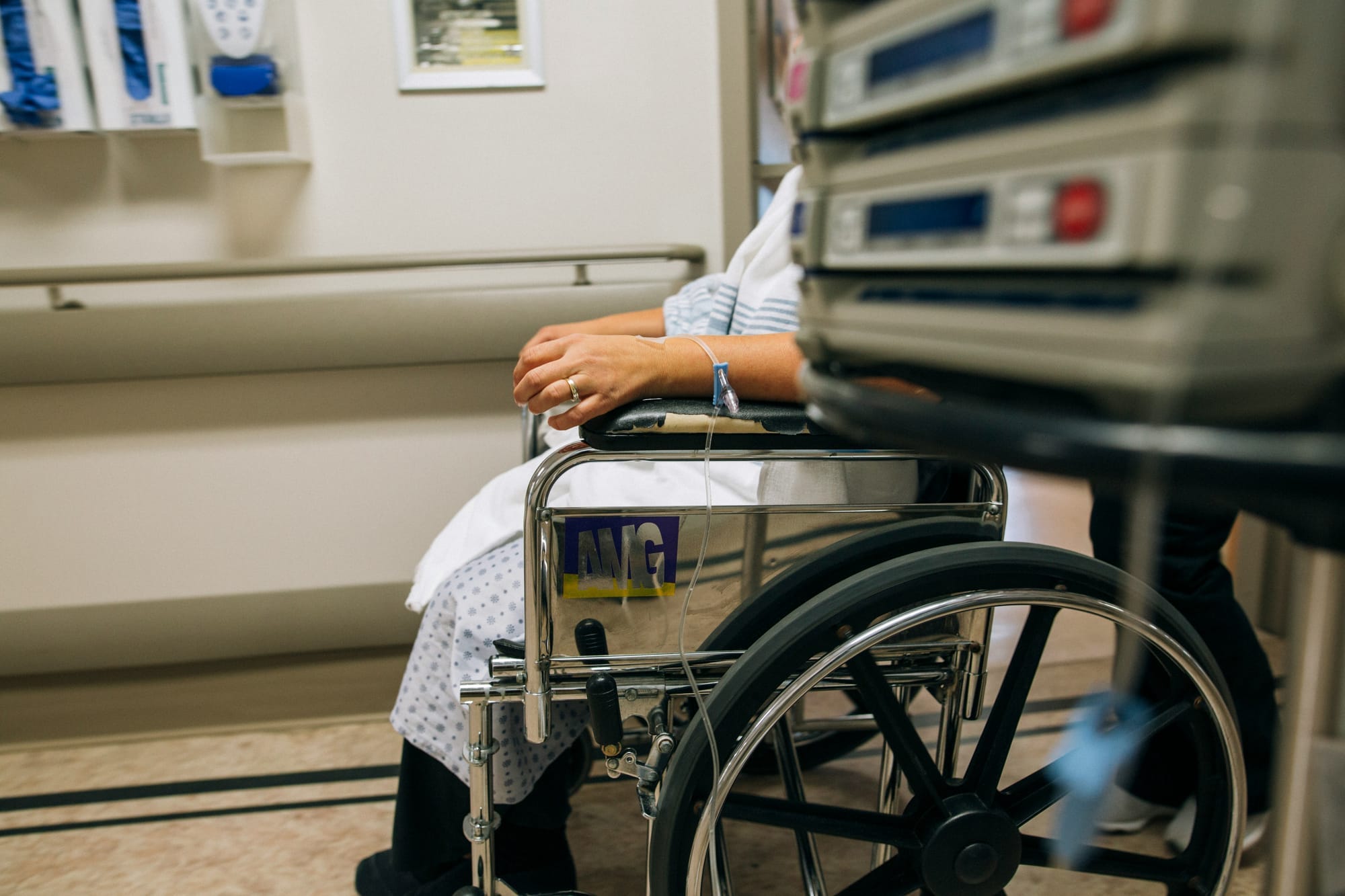
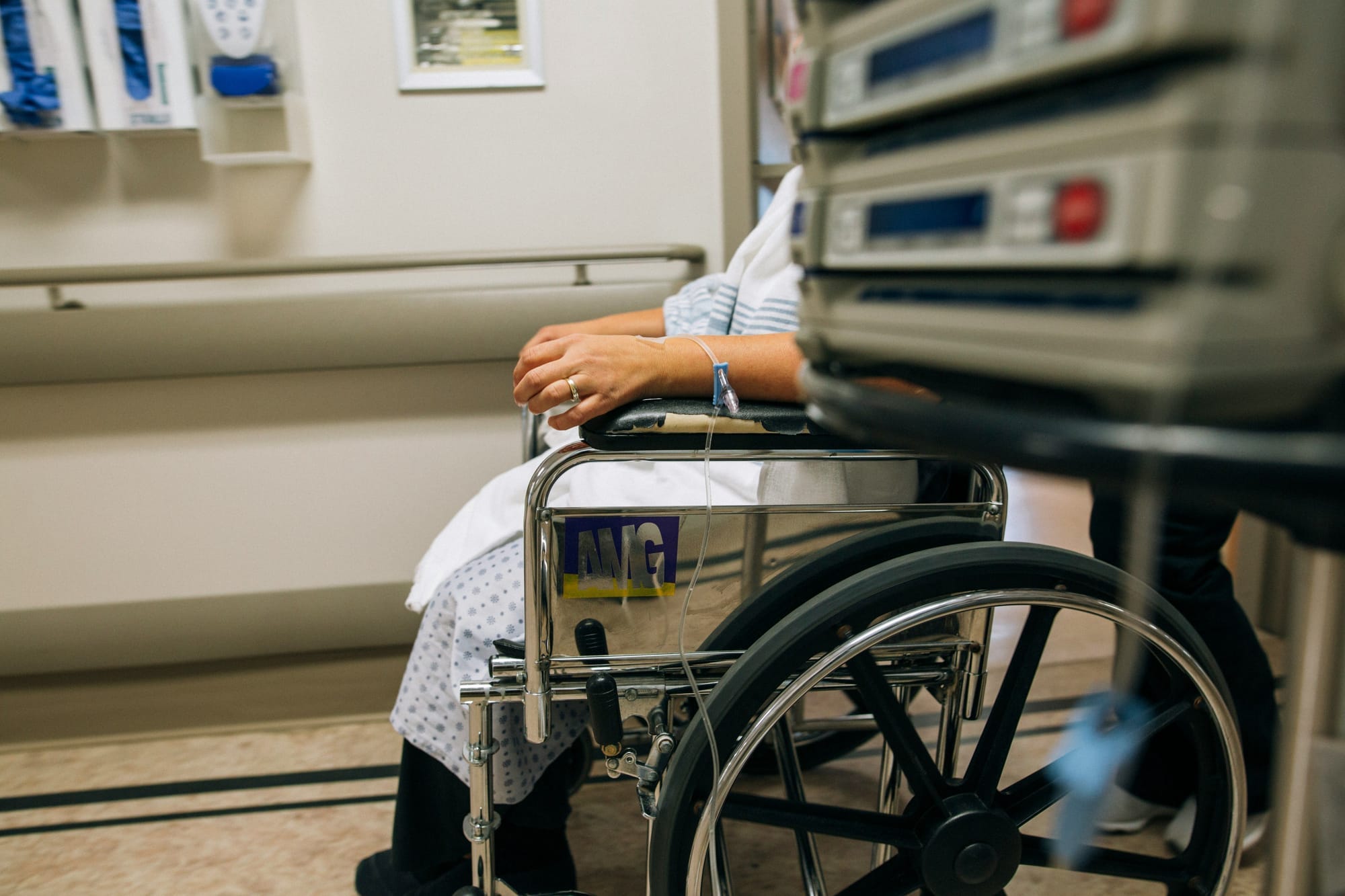
The coalition plans to save approximately €10 billion on healthcare through various measures. The health insurance excess (eigen risico) will rise by €75 to €460 from 2027, indexed annually thereafter. This is expected to generate €4.7 billion annually for the treasury.
Household help (huishoudelijke hulp) via the WMO will become means-tested from 2029, with only those who cannot afford private help retaining access. This saves €435 million per year.
A new co-payment for district nursing (wijkverpleging) will be introduced, and tax deductibility for medical expenses including hearing aids, orthopaedic insoles and travel costs to specialists will be scrapped, saving €618 million annually.
Nearly €2 billion will be cut from long-term care (Wet langdurige zorg), affecting people requiring intensive ongoing support.
Seniors' organisations alarmed
The Seniorencoalitie, representing seven elderly organisations, expressed concern about the cumulative impact. "An increase in the eigen risico hits everyone, but older people are affected more heavily because they need care more often," said ANBO-PCOB director Anneke Sipkens.
"We have to work longer, pay a contribution for defence, pay more for healthcare, district nursing is being scaled back... not everyone has that possibility. I speak daily with people who do their best but still run up against their limits."
Patient organisations including Patiëntenfederatie Nederland, Ieder(in) and MIND warned that the €350 million set aside to compensate chronically ill people is insufficient. "People with a chronic illness or disability often use the full eigen risico every year. For them, an increase means directly higher fixed costs."
"Freedom contribution" from workers
To fund increased defence spending, the coalition has introduced a "vrijheidsbijdrage" (freedom contribution) totalling €5.1 billion. Citizens will pay €3.4 billion through limited indexation of income tax brackets in 2027 and 2028, while businesses contribute €1.7 billion through higher disability fund premiums.
The state pension age (AOW) will from 2033 rise in lockstep with life expectancy. "This means people in their thirties won't receive AOW until they're 70," said CNV chair Piet Fortuin. "Disastrous for those in physically demanding jobs."
Political uncertainty remains
The coalition lacks a majority in both the Tweede Kamer and Eerste Kamer, meaning it will need opposition support to pass legislation. While some changes can be implemented through ministerial decrees, major reforms will require negotiation with parties including GroenLinks-PvdA.
"Our goal is to get these disastrous plans off the table quickly," said Fortuin. "Our hand remains extended, but if this continues we can reserve the Malieveld now" — a reference to the traditional protest ground in The Hague.