


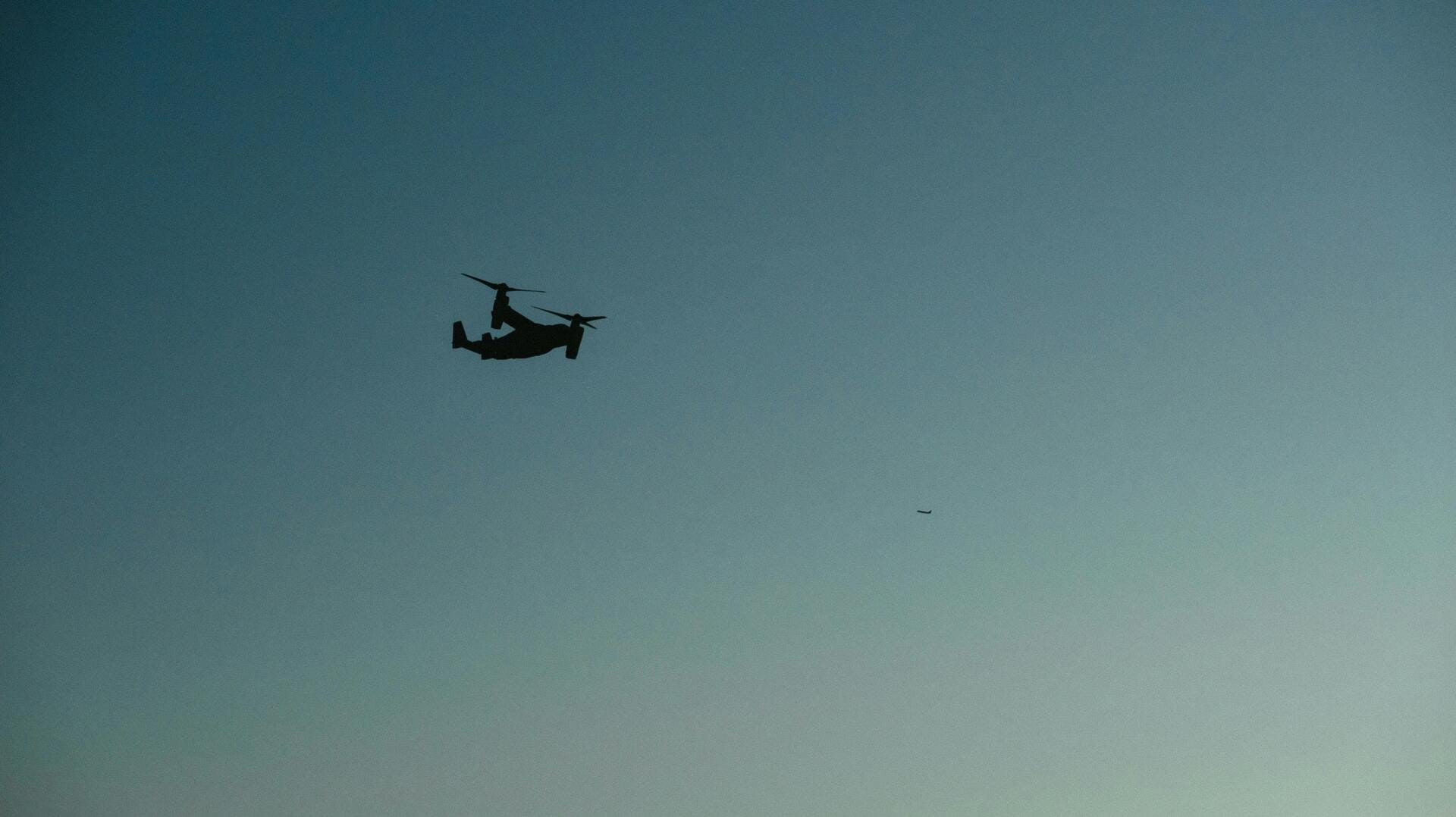

Several unknown drones were observed flying over the port area of Terneuzen in Zeeland on Monday evening, November 18, including above the site of the Dow chemical plant. Both locations are classified as no-fly zones because they are part of critical infrastructure, raising serious security concerns among Dutch authorities.
Unprecedented Number of Drones
According to port authority North Sea Port (NSP), staff observed between 12 and 20 drones in the air: a number far exceeding anything previously seen in the area. "We've never seen so many drones before," NSP spokesperson Johan Bresseleers told local media.
Anyone wanting to fly a drone in the port area must register in advance with authorities, but the number of drones observed in the sky clearly exceeded registered flights. The sheer scale of the drone activity suggests this was not the work of individual hobbyists or recreational users.
Police Investigation Yields No Answers
Police confirmed the sightings after receiving multiple reports from members of the public and companies operating in the port. Officers were immediately dispatched to the area and attempted to locate the people controlling the drones, but no operators have been found so far. It remains unclear where the drones came from, where they went afterwards, or who was controlling them.
The incident has been reported to the Ministry of Defence and the Royal Military Police (Marechaussee), which are involved in monitoring sensitive airspace. Authorities have not disclosed details about any countermeasures deployed or whether radar or military detection systems tracked the drones.
Police are asking anyone who may have filmed or photographed the drones to come forward with evidence that could help identify the operators or determine their purpose.
Part of a Broader Pattern
The Terneuzen incident is not isolated. On November 12, the Coast Guard reported multiple drones near Oostkapelle along the Zeeland coast, with operators again remaining unknown. Surveillance footage and radar data from that incident are still being reviewed as authorities work to track suspicious air traffic.
In recent weeks, drones have been spotted increasingly often near military sites in both the Netherlands and Belgium, prompting warnings from Dutch ministers about potential security risks including espionage and sabotage. The pattern of unexplained drone sightings around sensitive infrastructure has extended throughout the Netherlands and Western Europe, raising concerns about hybrid threats.
Security experts quoted in Dutch media describe the latest Zeeland sightings as "concerning" and likely not the work of hobbyists, given the number of drones involved, the sensitive locations targeted, and the deliberate violation of no-fly restrictions around critical sites such as chemical plants and major ports.
Why This Is Taken Seriously
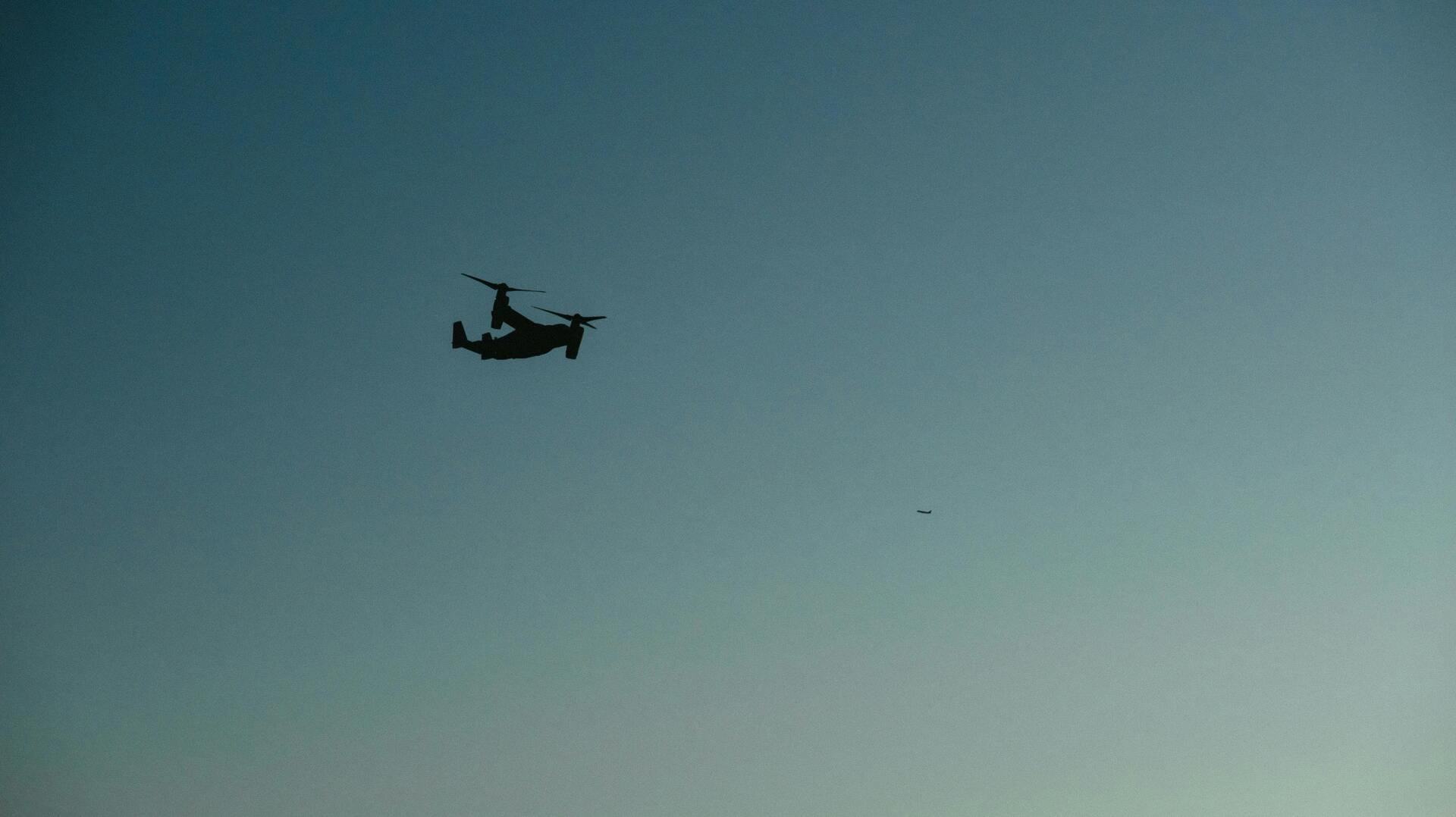
Drones flying over industrial complexes and ports pose several distinct risks:
Safety hazards: Collisions with cranes, storage tanks, vessels, or other equipment could cause serious accidents or trigger dangerous releases of chemicals.
Espionage: Cameras and sensors mounted on drones can map facility layouts, monitor operations, track security procedures, or gather intelligence about industrial processes and vulnerabilities.
Sabotage potential: In extreme cases, drones could theoretically be used to deliver explosives, incendiary devices, or other harmful payloads to specific targets within protected facilities.
Because of these risks, areas around Dow Terneuzen and sections of North Sea Port are designated as restricted airspace under Dutch law. Drone flights in these zones are only permitted with explicit authorisation from port authorities and aviation regulators. Flying drones there without permission is illegal and can result in criminal prosecution.
Broader Security Context and European Concerns
Experts warn that mysterious drone flights around ports, military bases, and energy infrastructure in the Netherlands and neighbouring countries may be part of a broader pattern of hybrid threats: activities designed to gather intelligence, disrupt operations, test security responses, or create uncertainty among authorities and the public.
Recent drone incidents across Europe have prompted new investments in anti-drone detection and countermeasure technology, along with political debates about airspace defense and the adequacy of current regulations. The accessible and increasingly sophisticated nature of consumer and commercial drone technology presents ongoing challenges for securing vital infrastructure.
Dutch ministers have publicly warned about the security implications of unexplained drone activity, noting that such incidents could be linked to state or non-state actors seeking to probe vulnerabilities in critical infrastructure or gather information for potential future attacks.
Enforcement Challenges
No-fly zones and strict regulations are in place at Dutch ports, airports, and military installations to protect against unauthorized aerial activity. However, authorities acknowledge that drone sightings continue to be reported regularly, sometimes requiring temporary operational halts or precautionary security checks that disrupt normal activities.
The incident is feeding into a broader governmental review of drone detection and enforcement capabilities around critical infrastructure and coastal areas. Current detection systems have limitations, and distinguishing between authorized commercial drones, recreational users who may not be aware of restrictions, and potentially hostile actors remains technically challenging.
What Happens Next
Authorities in Zeeland emphasise they are closely monitoring the situation and have stepped up patrols around the port and chemical facilities. Port operators are cooperating closely with security agencies, the Coast Guard, and national police to analyse any available surveillance data and radar information.
Local officials have urged recreational drone users to strictly adhere to flight restrictions and have called on witnesses to report any additional sightings immediately. The Coast Guard and police continue investigating both the November 12 Oostkapelle incident and the more recent Terneuzen sightings.
For now, the fundamental questions remain unanswered: who flew up to 20 drones over a restricted industrial zone in Zeeland, and why? The incident highlights the ongoing challenges of keeping vital infrastructure secure in an era of accessible drone technology and underscores the need for enhanced detection systems, clearer enforcement mechanisms, and potentially new legal frameworks.
Authorities in the Netherlands and neighbouring countries are likely to face increasing pressure to tighten monitoring and control of drone activity around sensitive sites, with clearer rules, better enforcement capabilities, and advanced counter-drone systems remaining high priorities on the Dutch security agenda.