


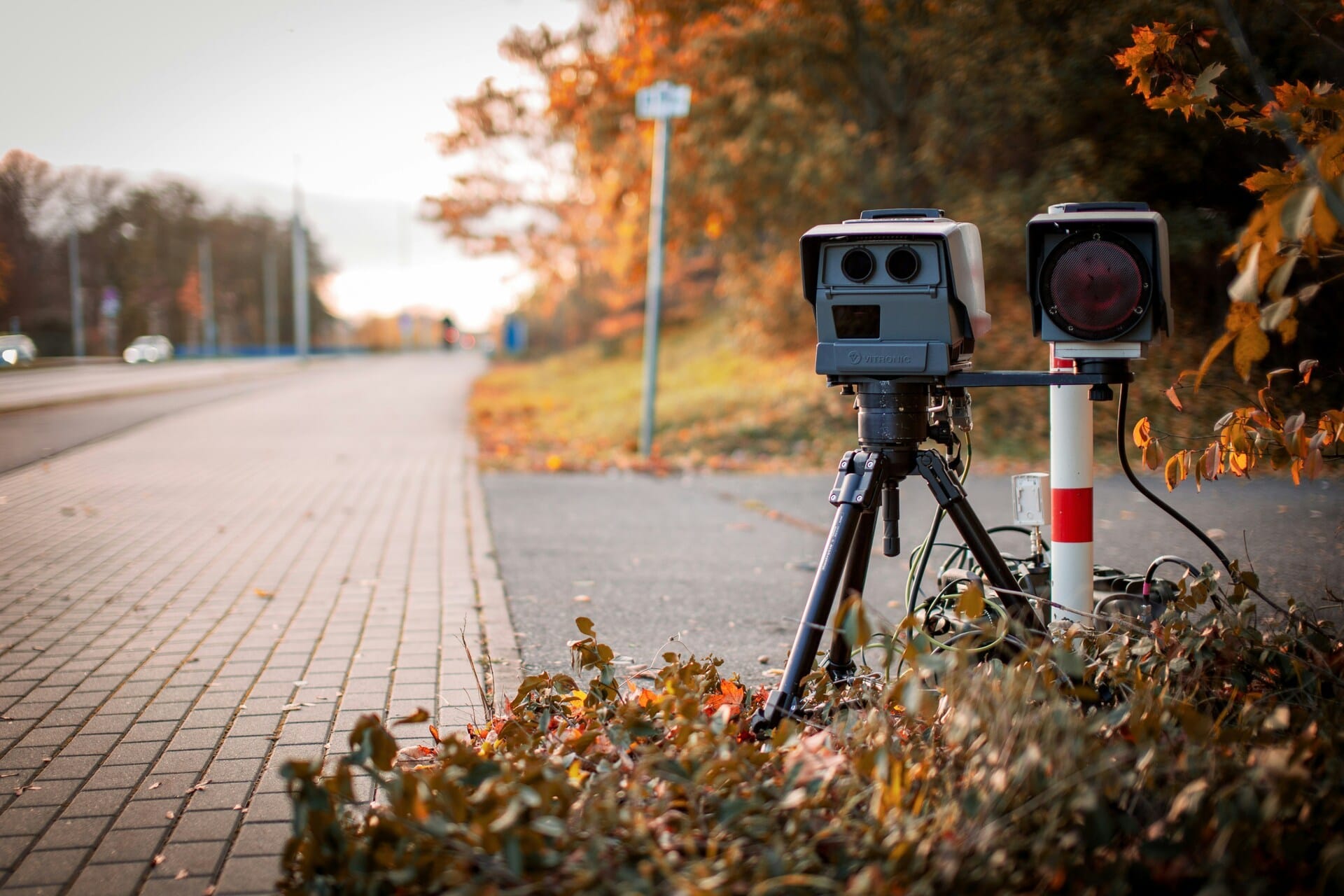

Traffic fines in the Netherlands have become "very disproportionate" to the seriousness of the offences, according to Albert Hazelhoff, head of the government's Central Judicial Collection Agency (CJIB). His criticism has sparked renewed debate about whether the Dutch fine system balances deterrence with fairness, or has crossed into being a revenue-raising tool that pushes citizens into debt.
Fines Growing Faster Than the Offences
In an interview cited by NL Times, Hazelhoff said both the basic fines and the steep surcharges for late payment are now out of sync with criminal law penalties: a concern the Public Prosecution Service (OM) has raised before. The Ministry of Justice and Security regularly indexes and raises traffic fines, partly to plug gaps in its own budget. As a result, relatively minor violations such as low-level speeding or parking mistakes can now cost more than some criminal offences.
For example, the fine for using a mobile phone while driving is currently €430, which exceeds penalties for first-time assault without injury. Speeding 10 km/h over the limit in an urban area results in a €93 fine, while exceeding the speed limit by 30 km/h or more leads to criminal prosecution rather than a simple administrative fine. An additional €9 administrative fee is added to all fines.
How Payment Reminders Triple the Cost
Hazelhoff's main criticism focuses on the dramatic increases that occur when people miss payment deadlines:
After the first reminder, the fine rises to 1.5 times the original amount
After the second reminder, the total jumps to 3 times the original fine
For example, a €100 traffic fine can balloon to €300, plus the standard €9 administrative fee, if someone forgets to pay and receives both reminders. According to Hazelhoff, many people don't refuse to pay deliberately, they simply overlook the first letter or are already struggling with debts.
"A simple traffic fine can get you into debt, or overwhelm you if you're already in trouble," he warned. He is calling for a much smaller increase after late payment: more in line with criminal law, where extra charges are often around 20% instead of up to 300%. One option would be a single reminder with a moderate surcharge, instead of the current two-step system that compounds rapidly.
Keep Fines Administrative, But Restore Balance
Despite his criticism, Hazelhoff does not want traffic offences moved into criminal court proceedings. The current administrative system (the "Mulder" procedure) handles approximately 8 million traffic fines per year. Shifting these cases to criminal courts would overload the justice system with minor infractions and risk giving people criminal records for relatively small violations.
Instead, he argues for better balance: keep the system simple and administrative, but lower the surcharges and ensure fines remain proportionate to the behaviour being punished. A review of the traffic fine system is currently underway, with results expected in 2026.
Minister: Fines Fund Safety and Should Hurt
Caretaker Justice Minister Foort van Oosten acknowledged to NOS that traffic fines in the Netherlands are "quite high" but said the Cabinet does not plan to reduce them. According to the minister, the fines help fund key public services including police and fire departments, and high penalties serve as a deterrent, discouraging people from speeding, running red lights, or using phones while driving.
"The easiest way to avoid a heavy fine is simply to follow the traffic rules," he said. "Then you won't get a ticket, and everyone benefits from safer roads."
Earlier, despite a parliamentary motion calling for a freeze, the government confirmed that most traffic fines will rise again in 2026 by approximately 3-4%, with many amounts rounded up by €10. The increases are framed as inflation corrections necessary to maintain the deterrent effect and funding levels.
What Happens Next
Hazelhoff's intervention adds weight to calls for reform from inside the system itself: the head of the agency responsible for collecting fines is publicly questioning whether the system has become too punitive. His comments have sparked public debate about whether traffic fines remain fair and proportional, with growing calls for reforms that balance deterrence with justice.
For now, however, the minister's stance means Dutch drivers can expect fines, and the surcharges on late payments, to remain high unless Parliament pushes through deeper changes. The 2026 review of the traffic fine system will be closely watched by both critics who want lower, more proportionate penalties and policymakers who view current fine levels as essential to road safety funding and behavioural deterrence.