


Dutch payment app Tikkie hit a new record in 2025, with users sending over 170 million payment requests totalling €8.5 billion: the highest totals since the app launched in 2016. The busiest day was King's Day, when users sent almost 700,000 payment requests. Nearly as many were sent on May 23, when most people received their holiday pay.
The payment culture
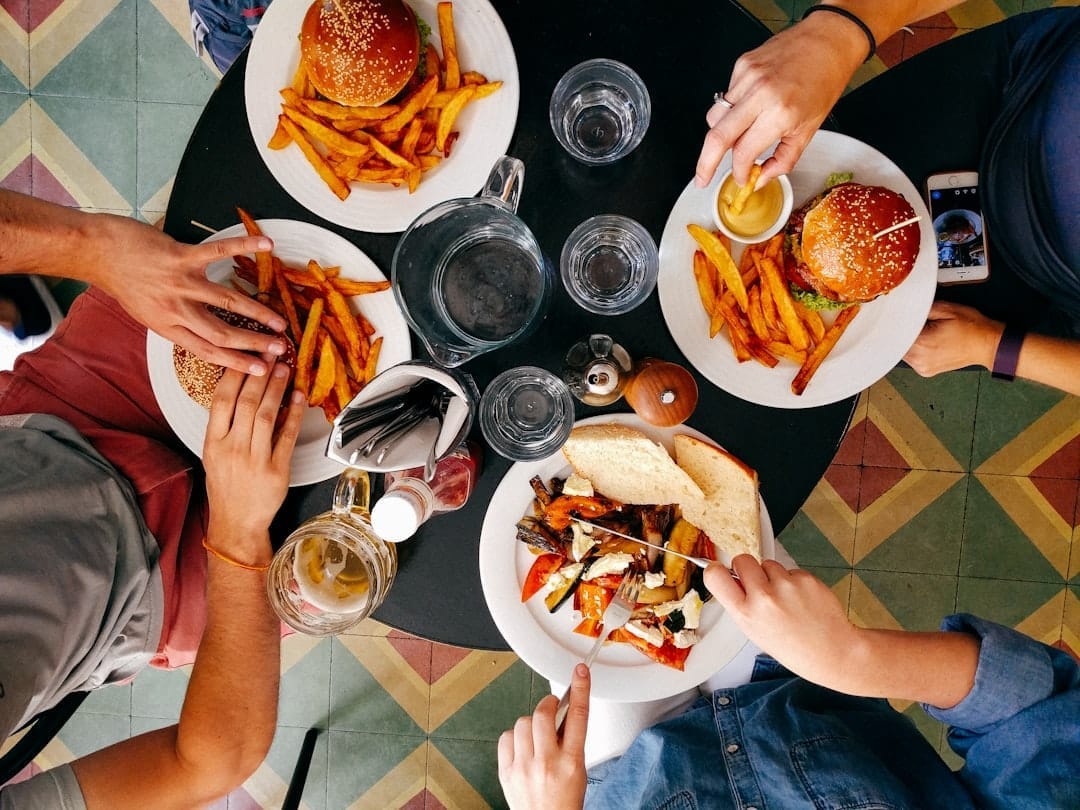
Splitting food bills remained the most common reason for using the app, with the most frequently used descriptions being "food," followed by "groceries," "lunch," "dinner" and "pizza". The average Tikkie exceeded €50, up €3 compared with the previous year, showing that Dutch users are requesting higher amounts through the app.
However, the Dutch reputation for splitting costs down to the cent remains intact. Users sent more than one million Tikkies for amounts under €1. Many of those requests covered the cost of using a toilet on King's Day, when public facilities across the Netherlands charge small fees during the nationwide celebration.
New uses emerge
Beyond traditional cost-splitting, Tikkie users are finding creative new applications. More than one million people also received refunds for bottle and can deposits via Tikkie last year. This feature, introduced to encourage recycling, allows users to scan QR codes at deposit return machines and receive instant refunds rather than collecting physical receipts or store credit.
The app's Groepie function which helps friends and family track group spending during holidays and weekend breaks, doubled in users during 2025. Popular destinations tracked through Groepie included skiing trips, Antwerp, Valencia, Paris, and Berlin, showing how Dutch travellers use the app to manage shared vacation expenses.
Payment speed
Dutch users pay their Tikkies remarkably quickly. In 2025, 89% of all payment requests were settled within a day, with 64% paid within an hour. More impressively, 38% were paid within five minutes and 22% in less than a single minute. At peak times, Tikkies were being paid at a rate of 5.3 per second.
This speed reflects both the convenience of the system that integrates directly with Dutch banking apps, and perhaps the social pressure of having an outstanding payment request visible to your contacts.
From consumer tool to business platform
While Tikkie began as a consumer app for friends splitting costs, it's increasingly used by businesses. Over 25,000 companies now use Tikkie, with the number of business users growing substantially year-over-year. Small businesses, market vendors, and service providers use Tikkie QR codes to accept payments without needing expensive point-of-sale equipment.
The app is especially popular at markets and events, where vendors can display QR codes that customers scan to pay instantly. During King's Day flea markets, thousands of sellers use Tikkie to accept payments seamlessly.
The Tikkie Phenomenon
Since launching in 2016, Tikkie has become deeply embedded in Dutch culture. Over one billion Tikkies have been sent since the app's debut, and more than 10 million people now use it in a country of just 17.5 million people.
The app's success stems from solving a uniquely Dutch need. The Netherlands has a strong culture of splitting bills precisely and settling debts promptly, but doing so traditionally required knowing someone's bank account number (IBAN) and manually transferring money. Tikkie simplified this to a few taps, letting users send payment requests via WhatsApp without needing recipients' banking details.
The 2025 figures cap off a remarkable growth trajectory for Tikkie. The app has processed more than €32.6 billion in total payments since its 2016 launch, with yearly volumes climbing steadily as more Dutch residents adopt the platform and existing users find new applications.