


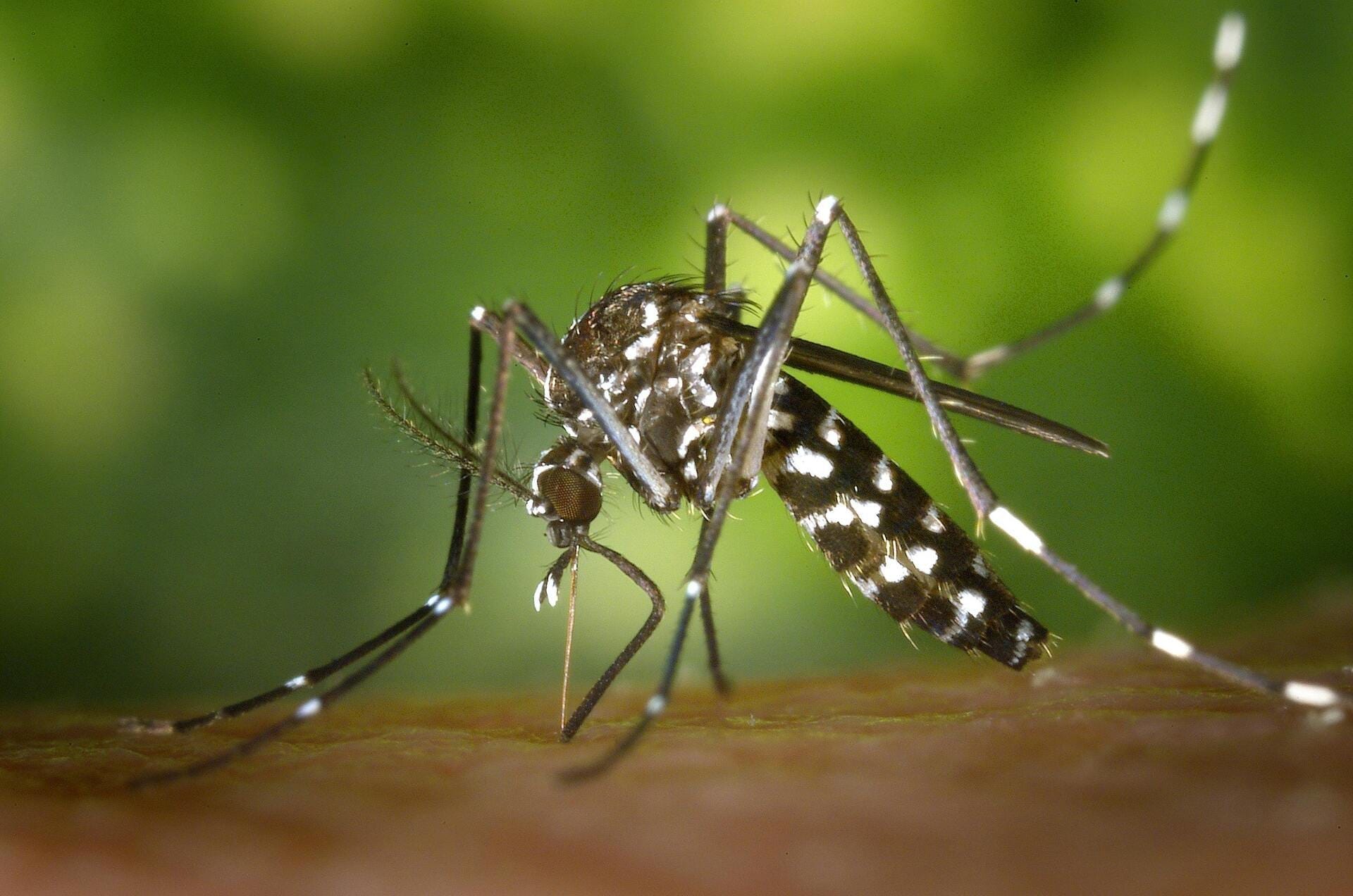

The Asian tiger mosquito will probably become a permanent fixture in the Netherlands within two to five years, posing a risk to public health, caretaker health minister Jan Anthonie Bruijn has warned in a briefing to Parliament. The black-and-white mosquito can transmit viruses that cause diseases in humans, including dengue fever and the Zika virus, which can damage the development of foetuses in the womb.
Rapid Spread Across the Country
Tiger mosquitoes, originally from Southeast Asia, are already established in southern European countries such as Spain and France, making their way to the Netherlands in international haulage lorries and holidaymakers' cars and caravans. They have now been found in over 50 local authority areas, compared to just a few in 2005, when they first appeared in the Netherlands.
The spread has been dramatic and concerning. The mosquitoes have been discovered throughout the Netherlands except for the northernmost provinces of Groningen and Friesland. In nine municipalities, tiger mosquitoes were found in used car tires where they can survive in layers of water that remain during transportation and delivery. They've also been detected at Schiphol Airport, a flower auction in Katwijk, and in so-called lucky bamboo plants at companies in Zuid-Holland.
The vast majority of discoveries have been made in residential areas across the country, with the mosquitoes almost certainly hitching rides with holidaymakers returning from southern regions where tiger mosquitoes are now common, including Italy, Spain, and France.
NVWA Reaches Capacity Limits
Safety standards agency NVWA, which monitors the spread of the mosquito, has already said it is reaching the limit of what it can do and is calling in the help of local councils to help combat the tiger mosquito, particularly in urban areas.
The specialised NVWA teams focus primarily on removing small water-filled containers that may harbour larvae and chrysalises, and use insecticides where necessary. The organisation has contacted 36,266 households to warn them about tiger mosquitoes in their area and let them know how they can help prevent the mosquito from spreading by removing possible breeding places.
However, the challenge is formidable. The NVWA is revisiting places where the mosquito was identified last year because eggs may have been left behind, and "they can survive just about anything": they can dry up, don't mind frost or insecticides, according to spokesman Arjan Stroo.
Why This Mosquito Is Different and Dangerous
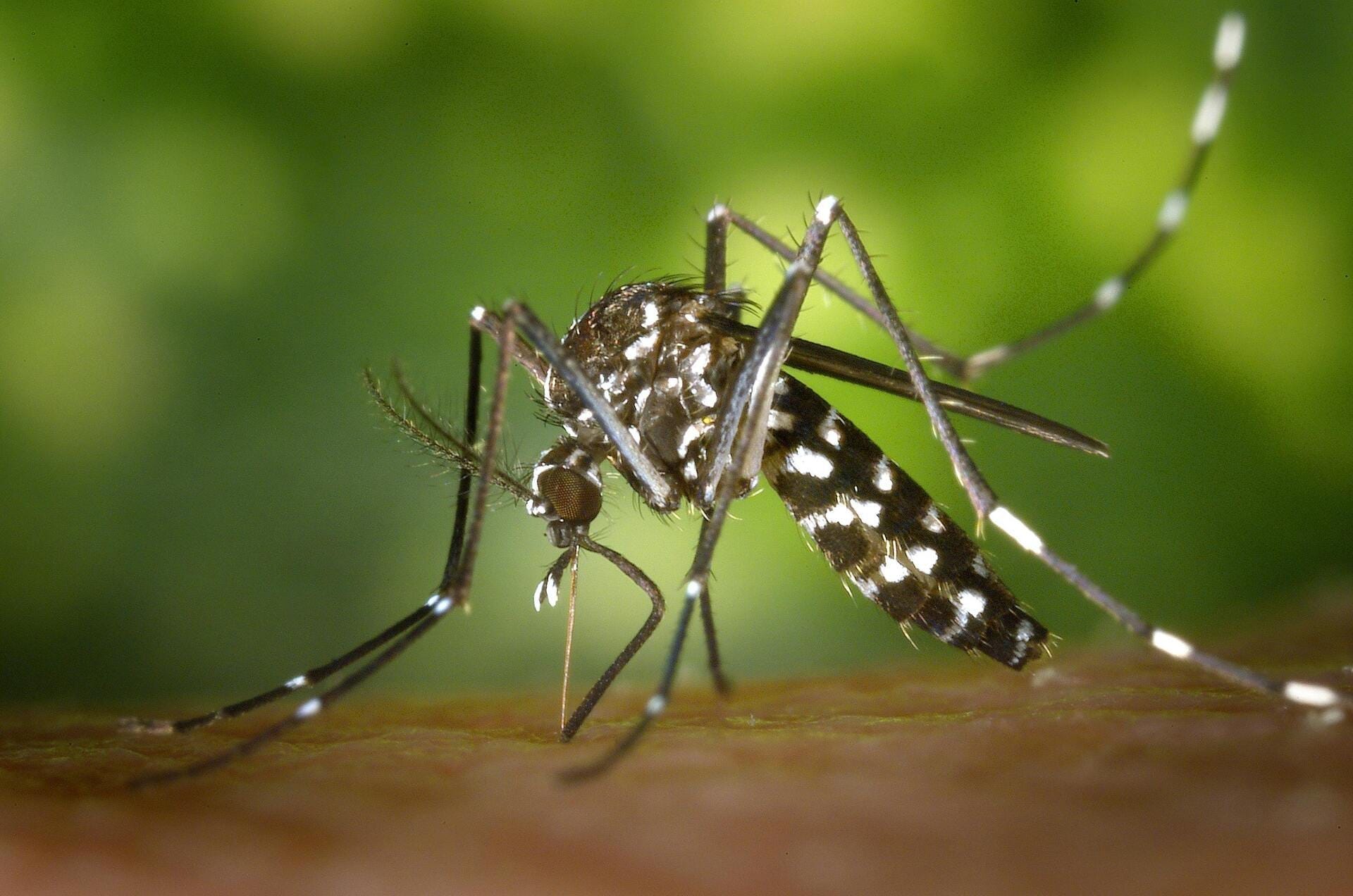
The tiger mosquito is smaller than mosquitoes native to the Netherlands and can be recognised by a white stripe on its back and white hind legs. Unlike most Dutch mosquitoes that are primarily active at dusk and night, According to Wageningen University biologist Arnold van Vliet, the rise of "one of the most invasive species in the world" is "definitely cause for concern", not only because of the risk of disease but also for its effect on outdoor pursuits. The mosquito strikes during the day as well.
The health risks are significant. In countries where tiger mosquitoes are common, they can transmit infectious diseases including:
Dengue fever: Can cause severe flu-like symptoms, fever, and in serious cases can be fatal if untreated.
Zika virus: Often causes mild symptoms but can cause serious birth defects if contracted by pregnant women.
Chikungunya: Causes fever and severe joint pain that can last for months
West Nile virus: Usually asymptomatic but can affect the nervous system in severe cases.
The risk of disease transmission in the Netherlands is currently still negligible given the small number of mosquitoes present. There have been no cases yet of tiger mosquito-borne infections in humans here so far. However, for an outbreak to occur, a mosquito would need to bite an infected person returning from abroad and then bite another person; a risk that increases dramatically if the mosquito population becomes established.
Government Response and New Measures
The minister said he would announce new measures to eradicate the mosquito in the new year but warned that once established, it would be very difficult to get rid of completely.
The minister's briefing is a "wake-up call" for all local councils, Van Vliet said. "When the mosquito is here to stay, they will have to have a plan. People will also have to take the threat seriously and empty containers filled with water where mosquitoes breed, and put up insect window screens and mosquito nets".
Thanks to imports from tropical countries and climate change, nothing will eradicate the tiger mosquito completely. "We had better get ready for the worst", Van Vliet warned.
What People Can Do
The NVWA and health authorities are urging residents to take preventive action:
Remove standing water: Check gardens, balconies, and outdoor areas weekly for stagnant water in flowerpots, saucers, buckets, gutters, rain barrels, and any containers that can hold water
Report sightings: If you see a tiger mosquito (small, black with white stripes), kill it, take a photo, and report it to the NVWA immediately
Protect yourself: Use insect repellents containing DEET, picaridin, or IR3535; wear long sleeves and pants during the day when tiger mosquitoes are active; install window screens and mosquito nets
Check vehicles: Holidaymakers returning from southern Europe should inspect their cars, caravans, and camping equipment for mosquitoes before returning home
Criticism of Response Efforts
Campaign group Stop Invasieve Exoten has criticised the NVWA's response, arguing the agency should do much more in terms of public information. The platform has noted that there are tire companies where the tiger mosquito has been found for more than ten years, and argues the NVWA should take stronger action against these businesses. They are considering enforcing this through a lawsuit at the Council of State.
The tiger mosquito is here to stay, though local extermination of larvae and chrysalises has proved successful in delaying permanent establishment. The question is no longer whether the tiger mosquito will establish itself permanently in the Netherlands, but when (and whether) authorities and residents can prepare adequately for that reality.