


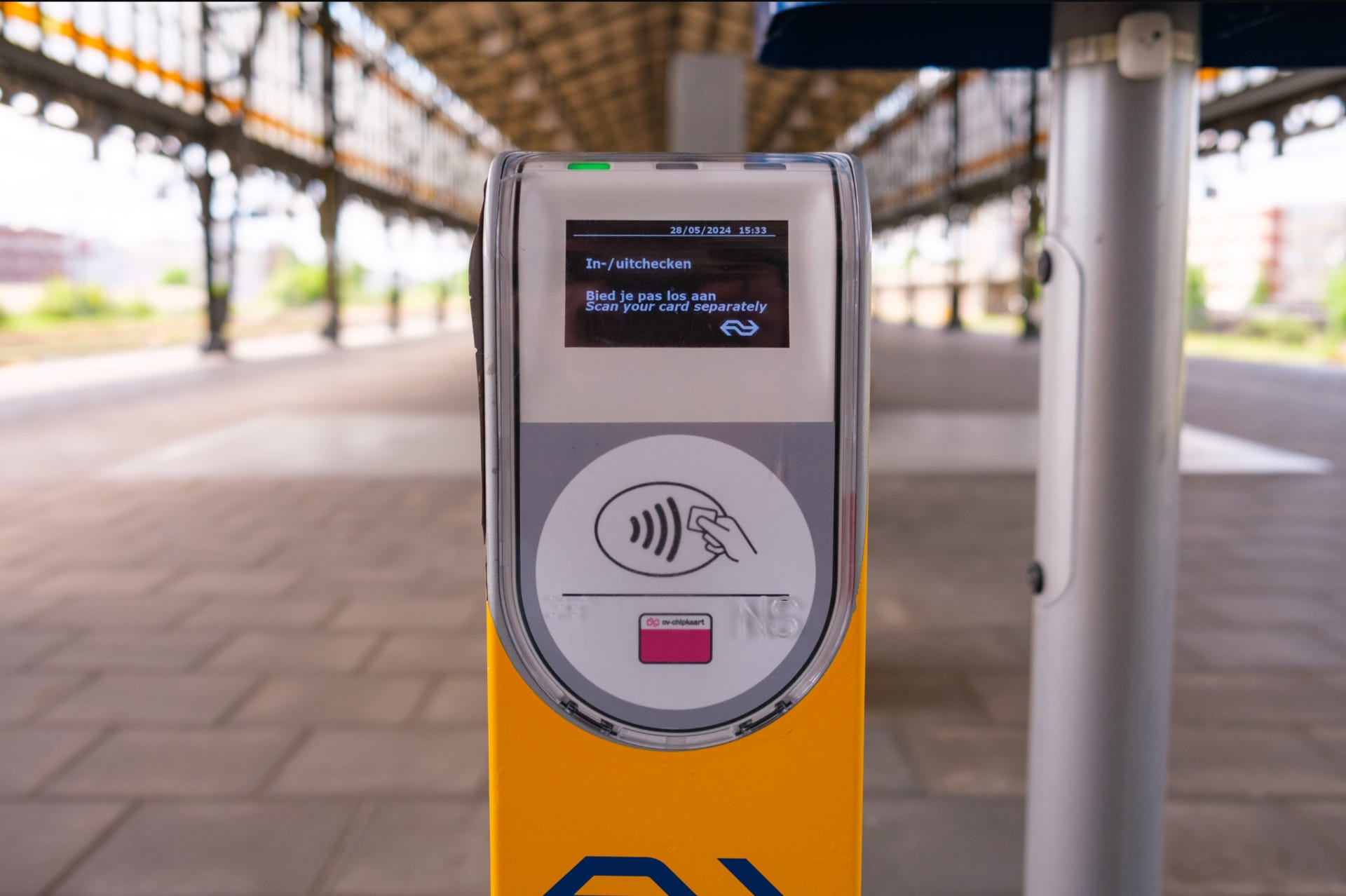
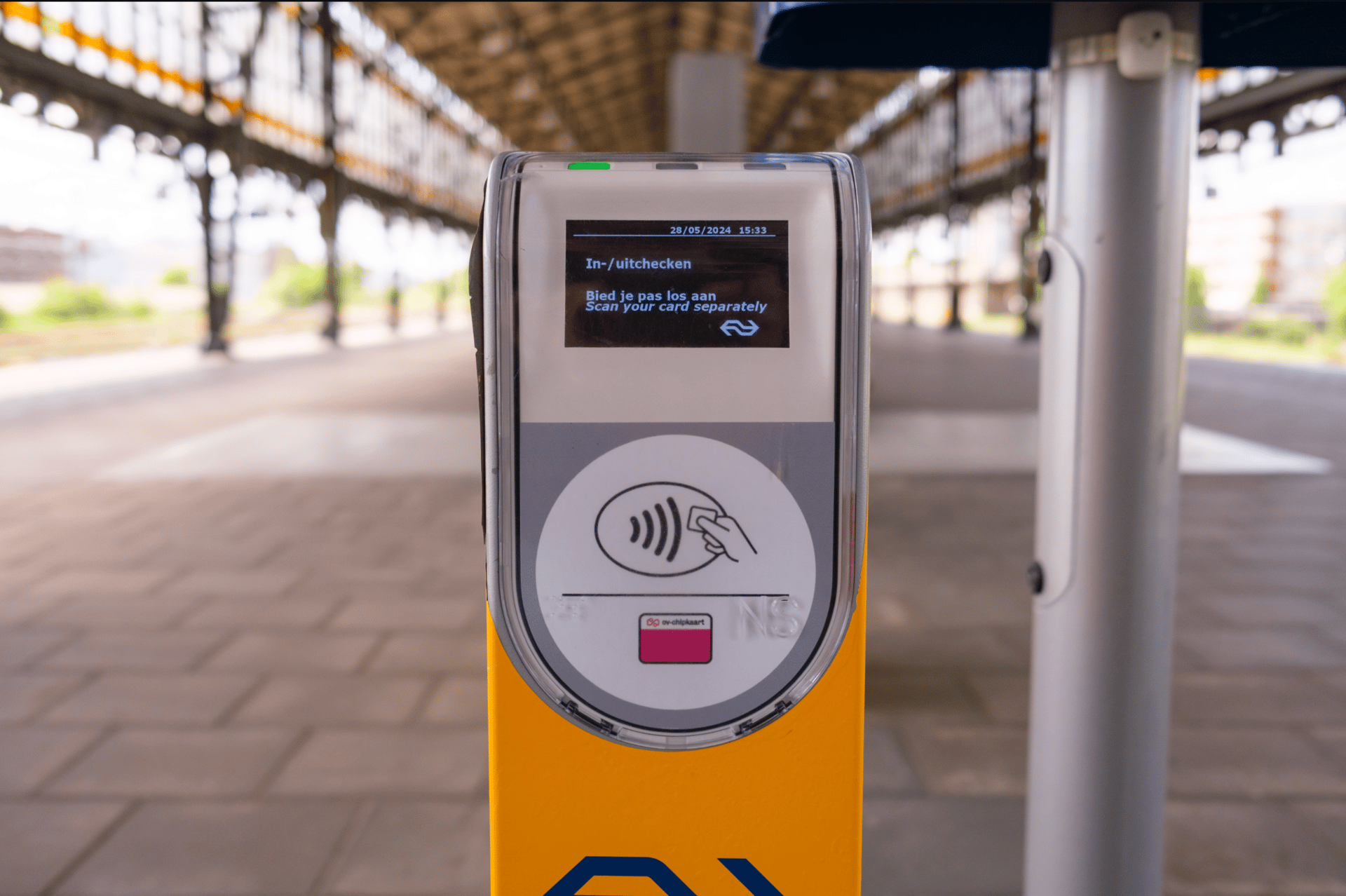
The OV-chipkaart, the plastic card that has been used to travel on Dutch public transport since 2007, will be phased out by the end of 2027. In its place comes the OV-pas, a new card that works with an online account rather than storing information on the chip. Travellers can also continue using their debit or credit card to check in and out.
What is changing
The biggest difference is technical. The OV-chipkaart stored all travel information, subscriptions and balance directly on the card's chip. The OV-pas links to an online account instead, meaning travellers can manage their balance and subscriptions through a website or app. This also opens the door to a digital version of the card that can be stored in a smartphone wallet.
The new OV-pas costs €6 and is valid for five years. That makes it cheaper than the current OV-chipkaart, which costs €7.50. Travellers can order it online through ovpay.nl and typically receive it within five working days.
For people who prefer not to use a bank card for public transport, anonymous OV-pas cards will also be available. These can be topped up with balance and shared with others, similar to the anonymous OV-chipkaart today. A version that can be topped up with cash is expected later this year.
What works now and what does not
The rollout is happening in phases. Currently, the OV-pas works for full-fare travel and for age-based discounts on buses, trams and metros. More products will follow throughout 2026.
Several popular products are not yet available on the OV-pas. These include NS Flex subscriptions, student travel products, the Samenreiskorting (combined travel discount) and most employer-provided business cards. Travellers with these subscriptions do not need to do anything yet and will be contacted by their transport provider when the time comes to switch.
One in five public transport journeys in the Netherlands is already paid for using a bank card. Among people travelling at full fare, that number has risen to 51 percent. Paying by bank card became possible nationwide in 2023, making the Netherlands the first country to offer contactless payment across its entire public transport network.
How many people are affected
There are currently around 13 million valid OV-chipkaarten in the Netherlands, of which about 9 million were actively used last year. More than 5 million of those are linked to subscriptions or student travel products.
Translink, the organisation behind the Dutch public transport payment system, will launch information campaigns throughout 2026 to help people switch. Those with paid subscriptions at NS will be contacted personally about the transition.
"People will be asked to switch from OV-chipkaart to OVpay during 2026, with the new OV-pas and bank card as payment options," said Translink spokesperson Gerbrant Corbee. "Travellers with subscriptions will be informed in advance by the relevant transport company."
A dedicated tool will launch this spring to give travellers personalised advice on when it makes sense for them to switch. Until then, the OV-chipkaart continues to work as normal.
Why the change is happening
The chip technology in the current card dates back to the early 2000s and is considered outdated. Contactless payment has become standard in other areas of daily life, and the OV-chipkaart's requirement to load balance in advance and collect subscriptions at physical machines no longer matches how people expect services to work.
The new system allows balance to be topped up from home, subscriptions to be managed online, and travel history to be viewed in an app. For people who forget to check in or out, corrections can be made through the app rather than requiring a trip to a service desk.
The OV-pas also includes a small notch at the top so that blind and visually impaired travellers can identify the card by touch.
What travellers should do
For now, nothing. The OV-chipkaart remains valid until the end of 2027, and there is no rush to switch. Travellers who want to try the new system can order an OV-pas online, but those with subscriptions or special products should wait until their provider confirms the product is available on the new platform.
People whose OV-chipkaart expires before 2027 will need to request the remaining balance and order a new OV-pas rather than renewing their old card. Translink advises checking the expiry date on the back of the card.