


See more of Dutch Brief in your Google search results
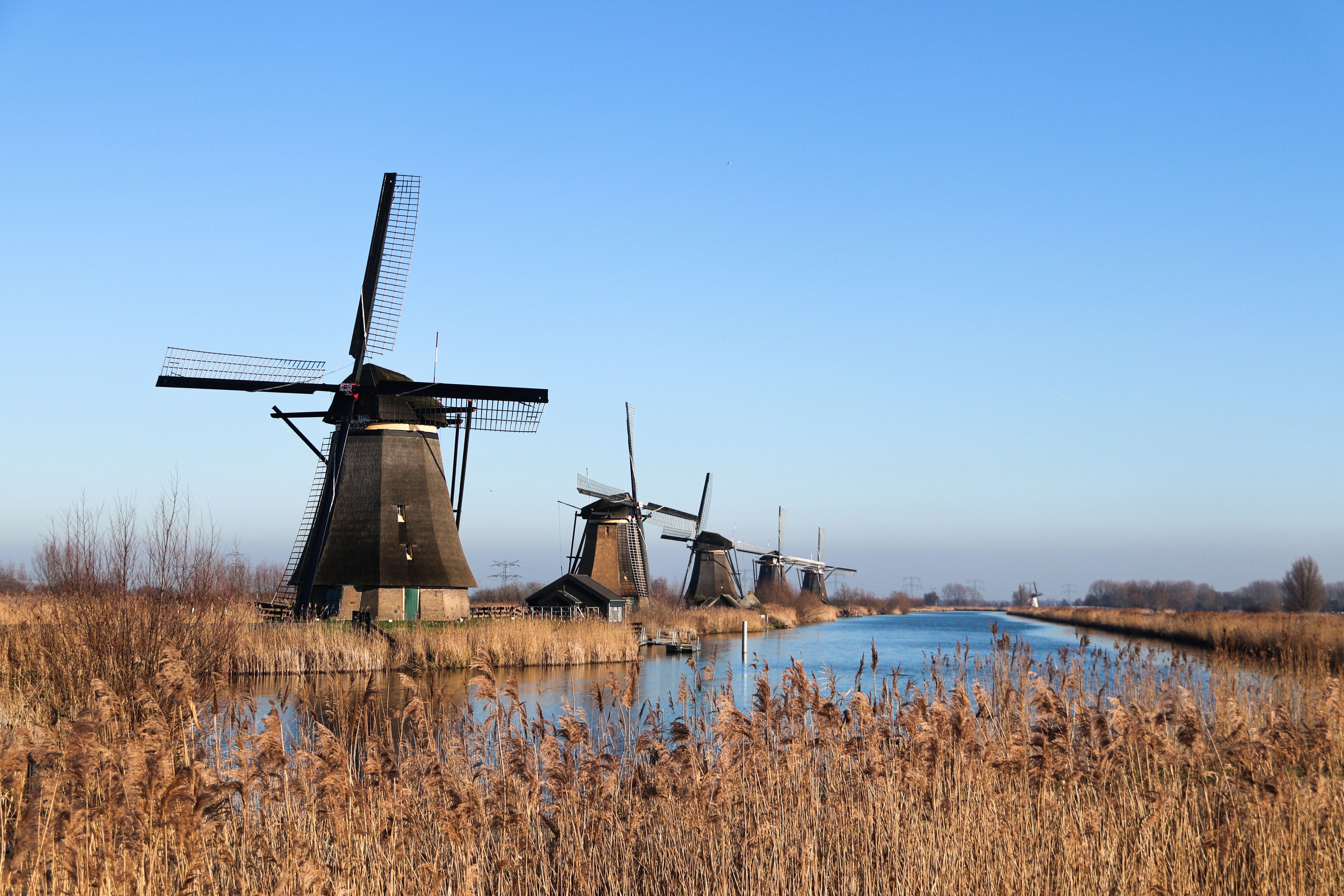
The Netherlands is now officially in a water shortage. After weeks of drought and high temperatures, the government has raised its assessment of the country’s water supply to an “actual water shortage,” warning that less water is coming in through rain and rivers while demand keeps rising.
From ‘impending’ to ‘actual’
The decision was taken on the advice of the LCW, the National Coordination Committee for Water Distribution, in which Rijkswaterstaat (the national water authority), the regional water boards, drinking water companies, provinces and ministries work together. Since the start of July, the country had been at Level 1 on a scale that runs from 0 to 3, described as an “impending water shortage.” It has now moved up to Level 2, an “actual water shortage.”
The cause is a stubborn drought. Little rain has fallen, both in the Netherlands and in the upstream areas of the Rhine and the Meuse, the two rivers that supply much of the country’s fresh water, so the amount of water flowing in is well below normal for the time of year. The chair of the LCW, Harold van Waveren, has said the current dry spell increasingly resembles 1976, one of the driest years on record. The situation is expected to last for weeks.
What Level 2 means
Moving to Level 2 changes what the authorities have to do. Where Level 1 was mainly about closer monitoring and preparation, Level 2 means water managers must actively make choices about how to share out the water that is available, in effect distributing scarcity. Rijkswaterstaat, the water boards, drinking water companies, provinces and ministries now coordinate on what each region needs.
The last time the Netherlands reached Level 2 was in 2022. If the drought worsens, the assessment could rise to Level 3, which counts as a national crisis and would see the Ministry of Justice and Security take over coordination. That last happened in 2003.
SPONSORED
You’re overpaying your accountant. And they still don’t call you back.

Neno gives you a dedicated bookkeeper, automated admin, real-time financial insights and a free business bank account. Everything your business needs, in one place.
No chasing. No surprises. No unnecessary costs.
The measures
A range of measures is being used to stretch the available water. On the Rhine branches, weirs (the barriers that hold back and regulate river water) are being opened or closed to manage levels, and preparations are being made to install extra emergency pumps. To limit saltwater from the sea pushing inland, a growing problem when rivers run low, some locks are being operated less often, which means ships face longer waiting times.
In several regions, there are already restrictions on taking water from the ground or from streams and ditches, so watering and irrigation are not allowed everywhere. In the weeks beforehand, the authorities had also stored extra fresh water in the large IJsselmeer and Markermeer lakes and raised regional water levels.
Where it is being felt
The effects are being felt in a number of areas. Inland shipping continues, but with longer waits at locks and, on some routes, shallower water that limits how much cargo a vessel can carry. Water quality is suffering too, with the ministry reporting an increase in blue-green algae, a bacterium that can be harmful to people and animals, and in fish dying.
The strain is not spread evenly. Limburg, in the south, is the hardest hit, and from Friday it is bringing in tighter restrictions: football pitches can no longer be watered, and some farmers face limits on how much water they may use.
Drinking water is safe
Despite the upgrade, the authorities have stressed that the drinking water supply is not affected and that drinking water remains available. Their standing advice is simply that it is always sensible to use water consciously, all year round. In its latest drought monitor, the ministry called for more far-reaching measures to keep the shortage from reaching a critical level, but for households, day-to-day life is not expected to change dramatically for now.