


See more of Dutch Brief in your Google search results
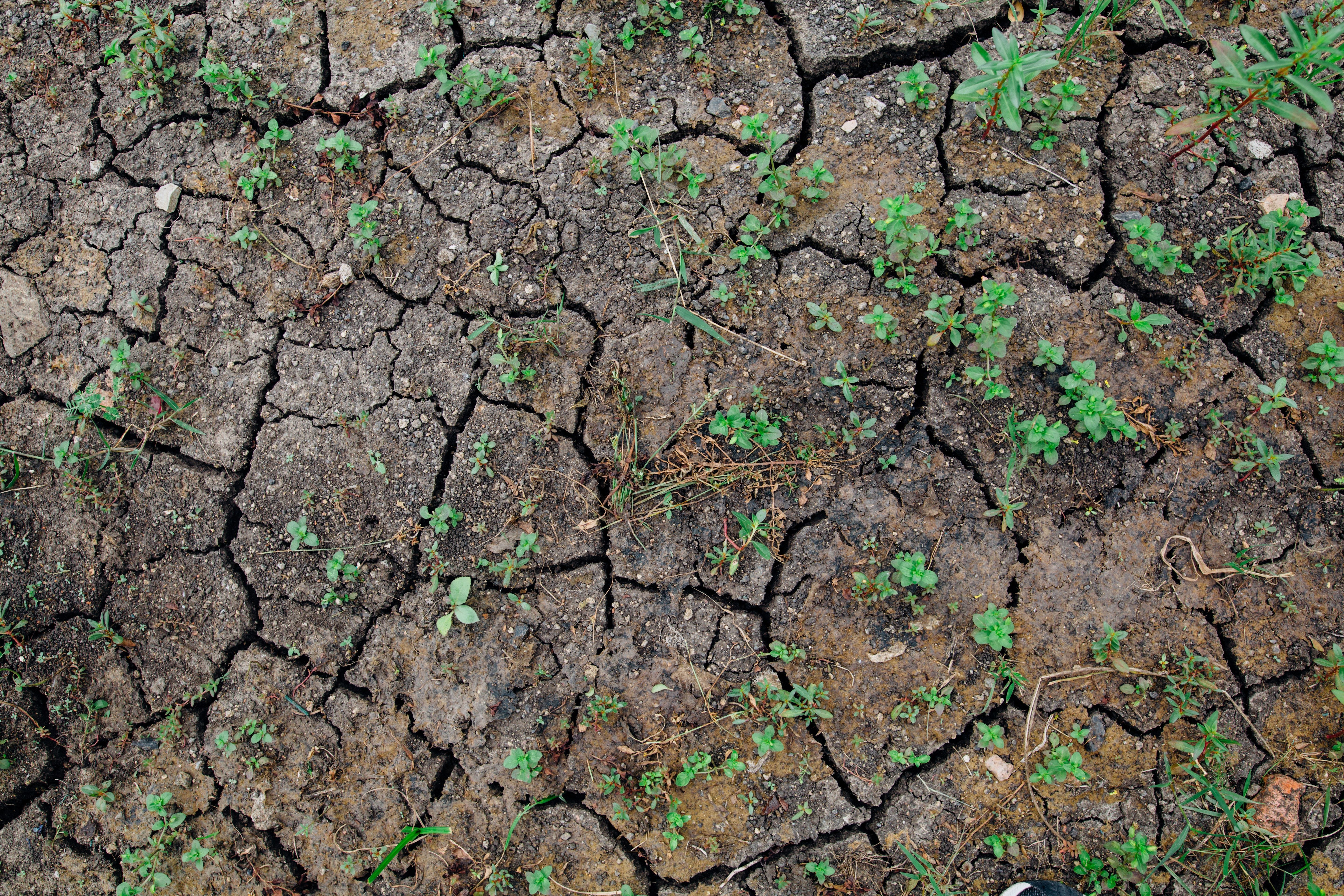
Dutch water authorities have raised the national alert level over drought, warning of a “looming water shortage” as rivers run low and another spell of hot, dry weather approaches. The step, announced on 1 July, means more intensive monitoring and additional measures, though officials stress there is still enough water for now.
What the warning means
The decision was taken by the National Coordination Committee for Water Distribution (in Dutch, the Landelijke Coördinatiecommissie Waterverdeling, or LCW), the body that manages how the Netherlands shares out its fresh water during dry spells. It has moved to level 1 on a scale that runs from 0 to 3, the stage it calls a “dreigend watertekort,” or looming water shortage.
“At the moment there is still enough water to supply large parts of the Netherlands with fresh water, but the expectation is that river flows will keep falling in the coming weeks,” Rijkswaterstaat, the national water and infrastructure authority, said in explaining the move. The situation calls for closer monitoring and coordination between the various water managers, and for more measures at both regional and national level.
Why the drought is worsening
Little rain fell in June, not only in the Netherlands but also in the upstream catchment areas of the Rhine and the Meuse, the country’s two main sources of fresh water. As a result, less water is flowing into the country. At the same time, the warm weather increases evaporation and pushes up demand for fresh water from agriculture and nature. With river flows low and demand rising, the chance of shortages in some regions is growing. Some areas cannot be supplied from the large rivers and lakes at all, including the higher sandy grounds in the east and south, which depend mainly on rainfall.
SPONSORED
You’re overpaying your accountant. And they still don’t call you back.
Neno gives you a dedicated bookkeeper, automated admin, real-time financial insights and a free business bank account. Everything your business needs, in one place.
No chasing. No surprises. No unnecessary costs.
The effects: shipping, nature and salt
The drought is being felt most acutely by inland shipping, industry, agriculture and nature, and water quality is declining. Reports of blue-green algae (in Dutch, blauwalg), a bacterium that can be harmful to people and animals, are becoming more common, and the first cases of fish dying have been reported. In the west of the country, saltwater from the sea is pushing further inland as river levels drop, a process known as salinization (verzilting), which threatens the supply of fresh water for farming and nature.
What authorities are doing
Rijkswaterstaat and the regional water authorities (the waterschappen) have introduced a range of measures. They are holding back water where they can and have imposed extraction bans (onttrekkingsverboden) in several regions, meaning it is temporarily forbidden to take water from ditches and streams. To protect water quality, they are flushing waterways with fresh water and restricting how much heated water industrial plants may discharge. This week, a pumping station near Utrecht was switched on to divert water from the Amsterdam-Rhine Canal into the Leidse Rijn. As a precaution, extra fresh water had already been stored in the IJsselmeer and Markermeer, the country’s large freshwater lakes.
Authorities have also begun restricting shipping, inspecting flood defences, in particular the peat dikes in the west that can weaken when they dry out, and issuing negative swimming advisories at several locations.
Drinking water is not at risk
Despite the warning, officials are clear that this is a precautionary step rather than an emergency. Drinking water is not currently under threat, and the alert is meant to prepare for a situation that could develop over the coming weeks rather than one that has already arrived. Should a genuine shortage occur, the Netherlands has a legal priority ranking, the verdringingsreeks, that decides how scarce water is shared out. The safety of dikes and the supply of drinking water come first, ahead of uses such as agriculture, shipping and industry.
For now, the advice for the public is limited, but it echoes the message from earlier in this dry summer: use water sensibly, follow any local extraction bans, and check whether a swimming spot is safe before getting in.