


See more of Dutch Brief in your Google search results
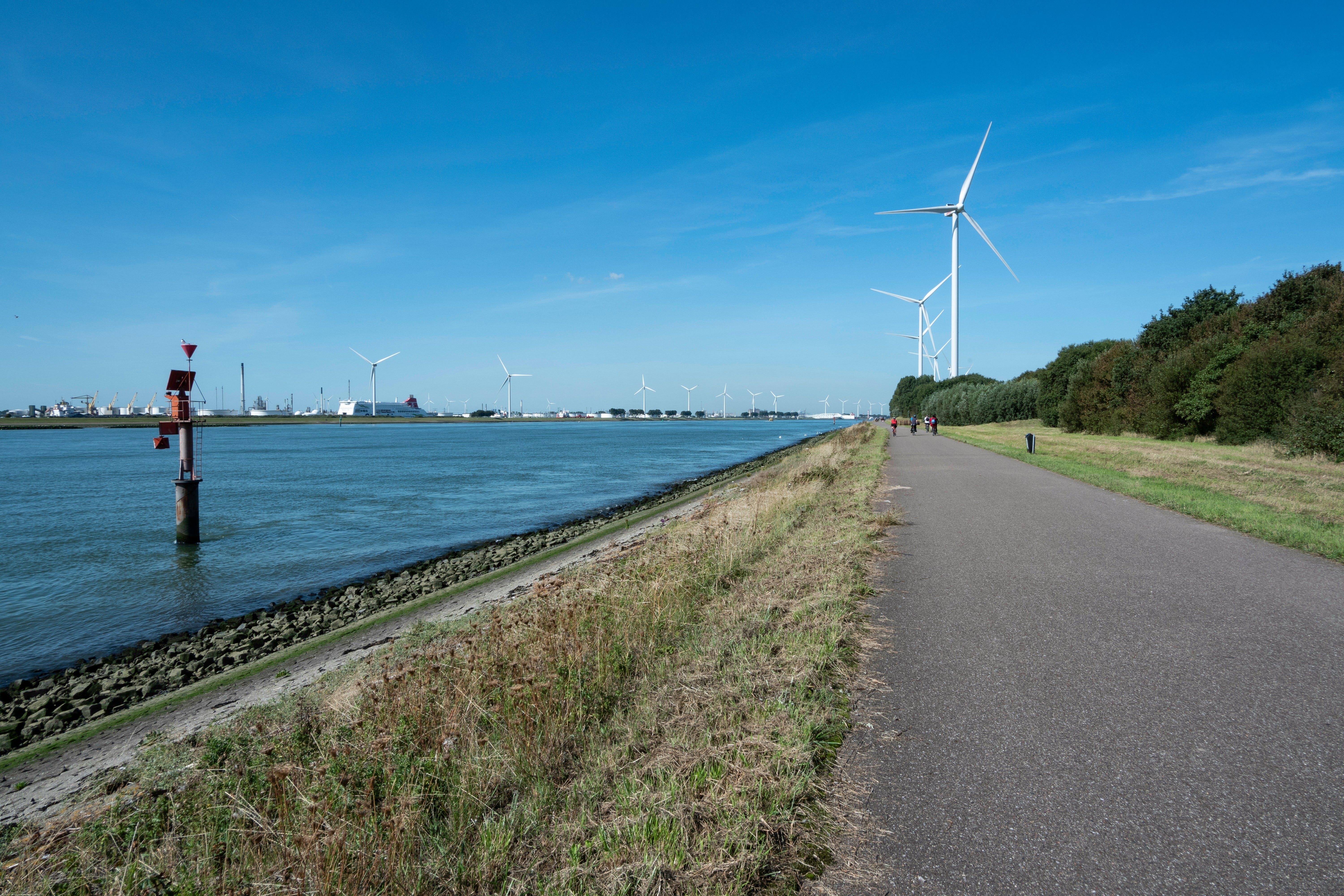
After a long, dry summer, the Netherlands is officially no longer in a water shortage. But the drought that left houseboats stranded and cargo barges only part-loaded for months will be felt well into the rest of the year, the infrastructure ministry has said.
What has changed
Weeks of rain, combined with falling demand for water, have allowed the ministry to move the country from level two to level one on its three-stage scale of water shortages, in other words, from an “actual” water shortage back down to an “impending” one. Several things have eased the pressure: crops are being harvested, so farmers are irrigating less, and cooler weather means far less water is evaporating from the soil and waterways.
As a result, the government team that met every week through the summer to manage the shortage will now disband. Some of the machinery stays in place, however: the national water distribution committee, which back in July warned of serious shortages, will keep meeting, and the weekly drought monitor continues.
Why recovery will take months
The downgrade does not mean the drought is over, and the ministry was careful to say so. The Rhine, the river that supplies much of the country’s fresh water, is still carrying only about half its normal volume for early September, and river levels could stay low until the end of the year. Groundwater, which recharges slowly, will take even longer to return to normal.
For some, there will be little immediate relief. The houseboat owners left stranded on stretches of the Rhine that dried up months ago face a longer wait still: their homes will not float again until the water rises. Shipping, too, continues to face reduced services and delays at locks, the same constraints that forced barges to sail half-empty through the summer and pushed some cargo onto the roads.
SPONSORED
You’re overpaying your accountant. And they still don’t call you back.

Neno gives you a dedicated bookkeeper, automated admin, real-time financial insights and a free business bank account. Everything your business needs, in one place.
No chasing. No surprises. No unnecessary costs.
What restrictions remain
Some measures are still in force. Bans on drawing water from streams and ditches remain in place across the higher sandy soils of the east and south of the country, the areas that depend most on rainfall because they sit above the reach of the big rivers. And the salinisation of the IJsselmeer, the large freshwater lake that is a key source of drinking water, remains a concern for water suppliers, as salt pushes inland when river flows are weak. That said, some regional water boards have begun rolling back their restrictions as conditions improve.
Throughout, the reassurance that has run through the whole episode still holds: drinking water supplies remain secure.
The summer in context
The downgrade draws a line under one of the driest summers the Netherlands has experienced in years. Over the season, the country moved from an early warning of an impending shortage in July, to an official water shortage as the Rhine fell to its lowest level on record, to a crisis meeting of ministries, water boards and drinking water companies, all against a backdrop of repeated heatwaves and a record number of tropical days. The government estimated the economic damage to businesses, from inland shipping to horticulture, at tens to hundreds of millions of euros, and decided against compensating them, with the responsible minister calling it a business risk.
The lasting lesson, which officials themselves have drawn, is about the future rather than the past. With dry summers expected to become more frequent, the government has said it will take decisions in the autumn, as part of a longer-term freshwater strategy, on how to store more water for the next time, choices likely to include setting aside scarce land for water storage. For now, the rain has come and the immediate emergency has passed, but the slow recovery of the rivers and the ground beneath them is a reminder that a drought does not end the moment it starts raining.