


Ten Dutch municipalities have been fined a total of €250,000 for secretly gathering information on Islamic communities without their knowledge. The Dutch Data Protection Authority (AP) ruled that the councils had no legal basis for the surveillance and seriously violated the privacy of those affected.
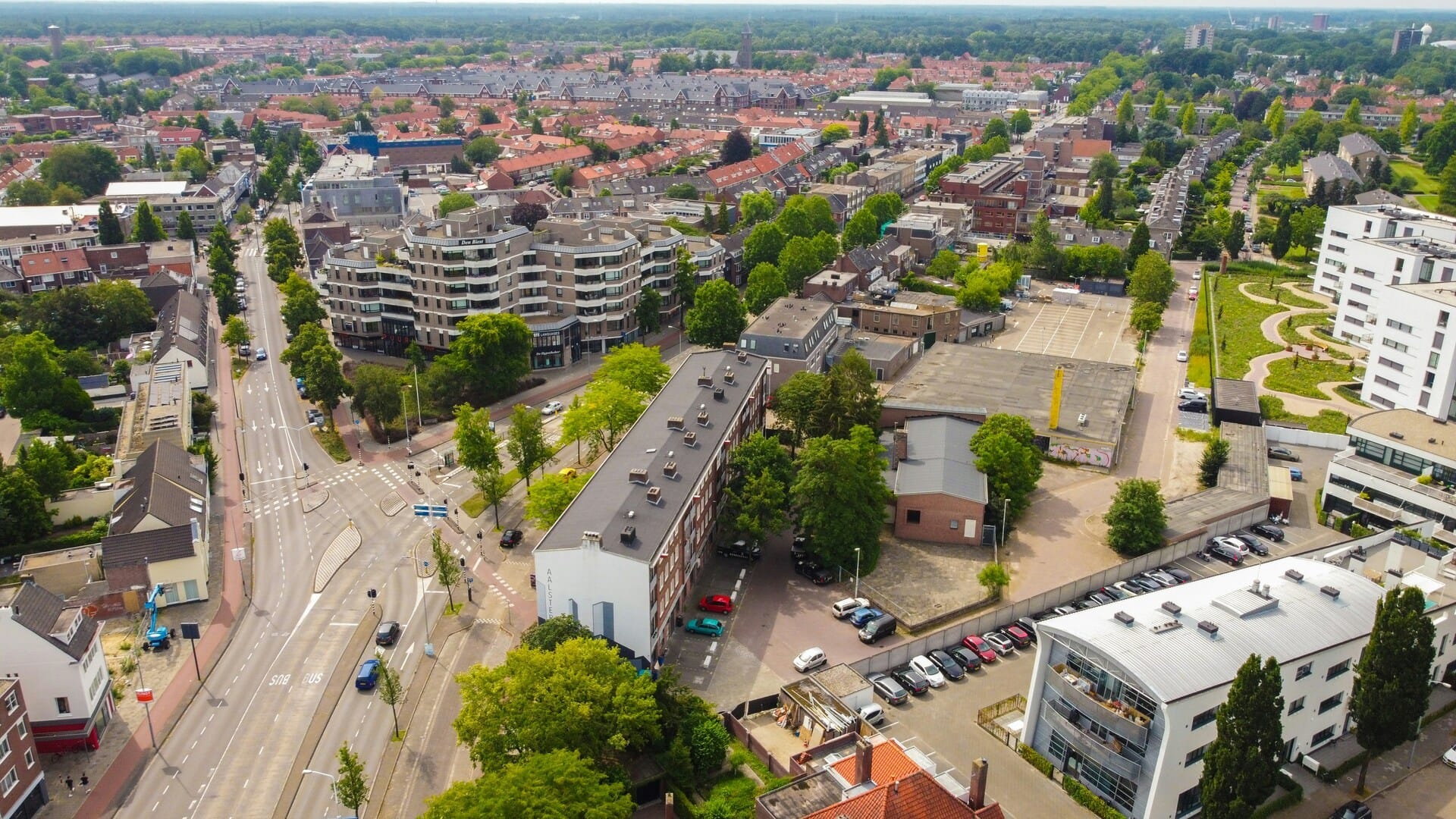
The fined municipalities are Eindhoven, Tilburg, Zoetermeer, Delft, Ede, Haarlemmermeer, Hilversum, Veenendaal, Huizen and Gooise Meren. Each must pay €25,000.
How the surveillance worked
Around a decade ago, during a period of concern about young people travelling to Syria for jihad and fears of terrorist attacks in Europe, the municipalities hired a private research firm called NTA (Nuance door Training en Advies) to investigate local mosques.
The firm's researchers attended mosques without identifying themselves, spoke with visitors, board members and religious leaders, and compiled reports on what they found. The reports contained names, information about people's religious beliefs and practices, family details, and maps of who knew whom within the communities.
Some municipalities shared this information with the police, the Ministry of Social Affairs and the NCTV, the national counter-terrorism coordinator that was then led by current Prime Minister Dick Schoof. The NCTV had originally put the municipalities in touch with NTA and helped fund the research.
No legal basis
According to AP chairman Aleid Wolfsen, the municipalities had no right to collect this information. "The privacy of those affected was seriously violated. This has damaged trust in many municipalities."
Courts had already ruled against some of the councils. Last July, a Utrecht court found that Veenendaal acted unlawfully when it commissioned research on the Taubah mosque without any legal basis.
The data protection authority said the violations were very serious and that municipalities had been insufficiently aware of their responsibilities. Wolfsen noted that the councils now acknowledge their approach was wrong and have taken steps to repair relations with Muslim communities.
Apologies and destroyed reports
Several municipalities have publicly apologised. Delft's mayor Alexander Pechtold said the research had caused "impact and pain" and expressed regret on behalf of the city. The mayor of Huizen said the municipality had entered "in an unacceptable way into the personal lives of our residents."
Tilburg said it had approached 19 Islamic organisations before the research, nearly half of which refused to participate. The resulting report was deemed unusable and deleted after a few weeks, according to the municipality.
Councils that still hold the reports may only use them to help people affected file compensation claims. After that, the reports must be destroyed.
Other municipalities escape fines
Other towns also used NTA's services, including Almere, but were not fined. The data protection authority said it made a selection and some municipalities fell outside the scope of its investigation.
The secret mosque research first came to light in October 2021 through reporting by NRC Handelsblad. Islamic organisations reacted with outrage, with Rotterdam umbrella group SPIOR describing the work as "espionage activities" and "state Islamophobia."