


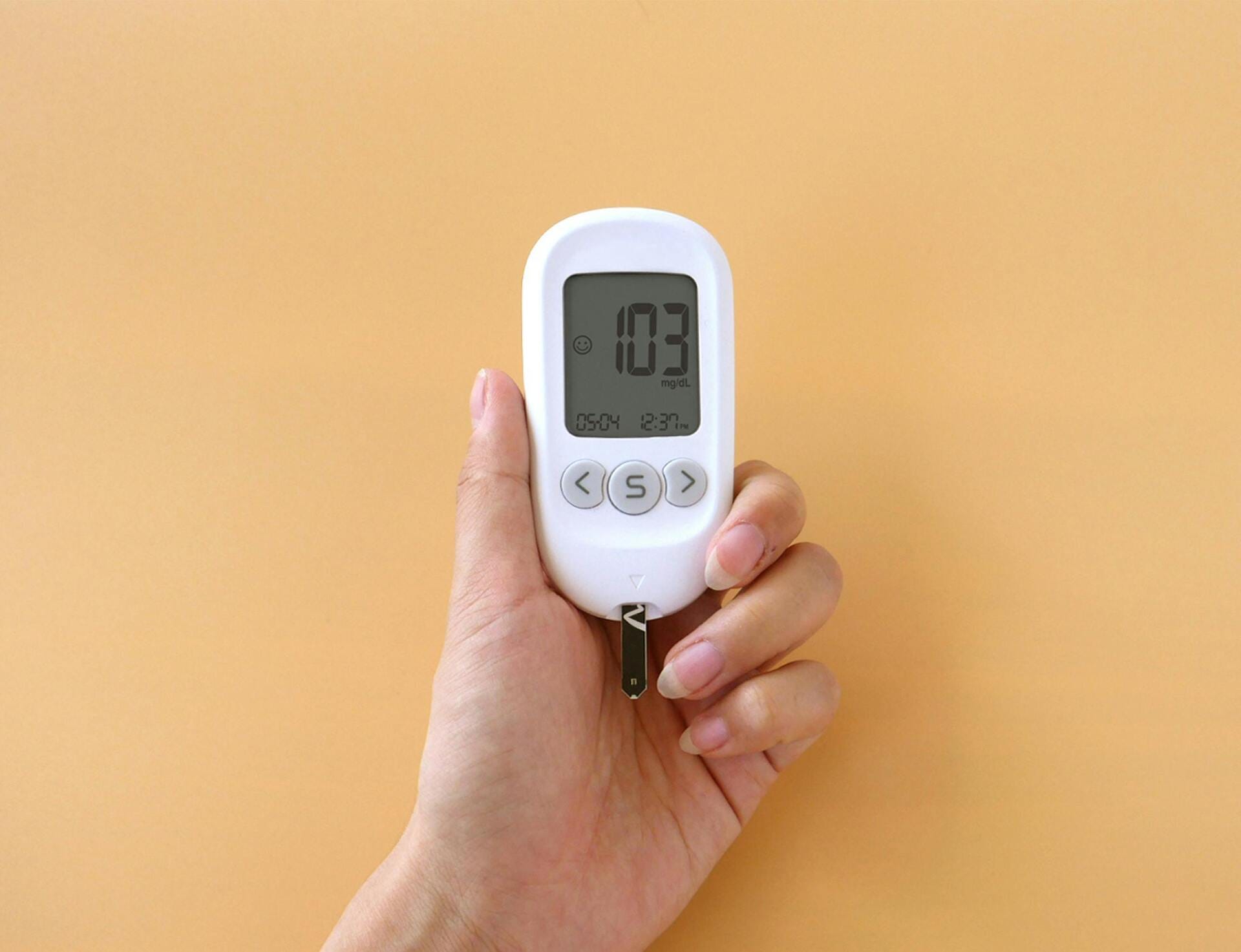

Around 400,000 people in the Netherlands have type 2 diabetes without knowing it, according to new research commissioned by the Dutch Diabetes Foundation. The finding means one in three people with the condition are unaware they have it, prompting the charity to call for a national screening programme.
"The Netherlands is facing a much larger and hidden diabetes crisis than previously thought," the Diabetes Foundation said. The organisation warns that the undiagnosed cases represent a significant public health challenge, as type 2 diabetes can cause permanent damage if left untreated.
The study was conducted by the Dutch Cohort Consortium, a collaboration of universities and research institutions that pools health data from hundreds of thousands of people. Researchers analysed information from 200,000 individuals whose health has been monitored over the past 25 years. According to the Diabetes Foundation, this is the first time the hidden population of undiagnosed diabetics has been mapped so comprehensively.
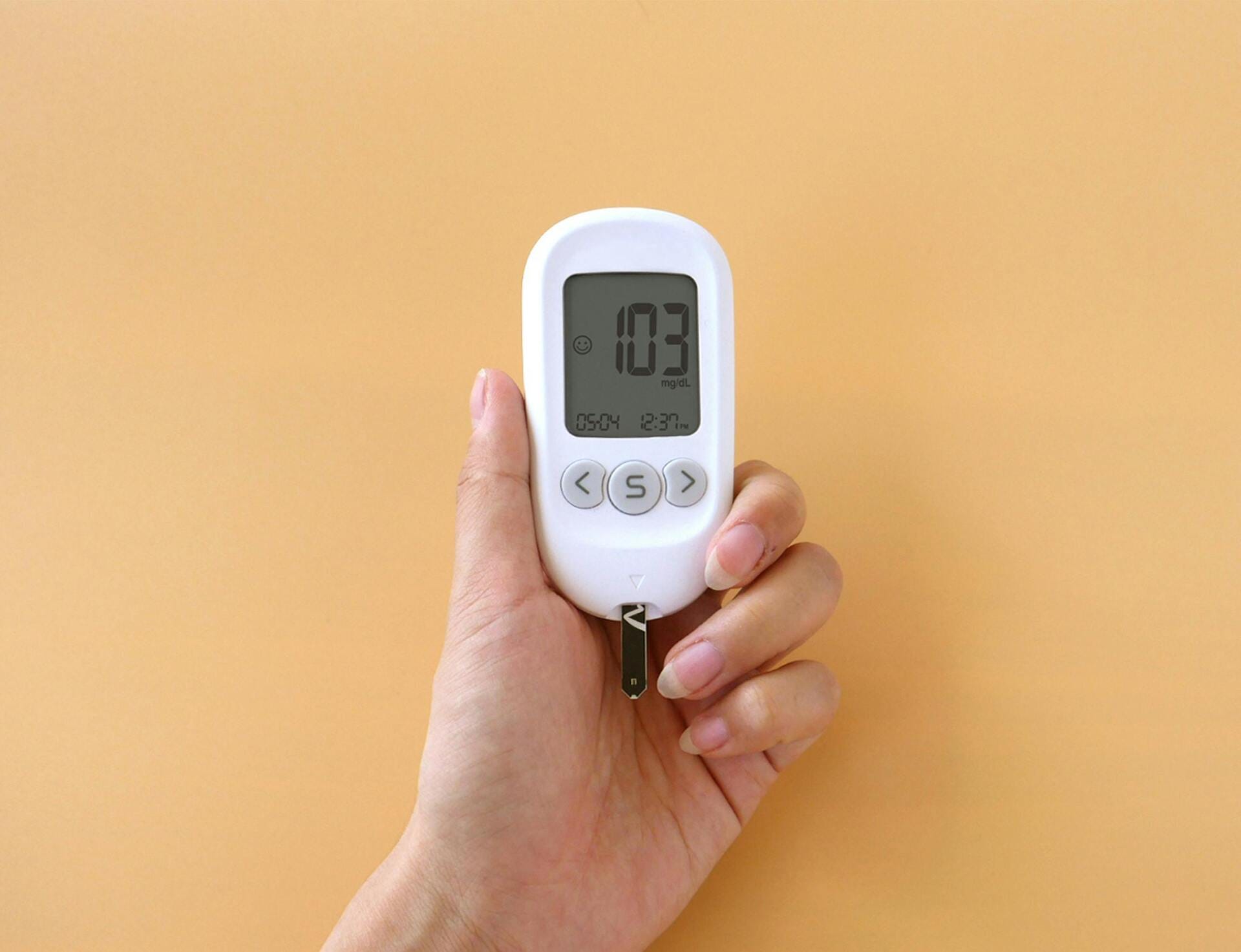
A silent condition
"Type 2 diabetes is often called the hidden killer because it develops very slowly and the initial symptoms are vague, such as urinating more often, tiredness or worsening eyesight," said Diena Halbertsma, director of the Diabetes Foundation, in an interview with broadcaster NOS.
The gradual onset makes the condition easy to miss. "The disease grows very slowly, without clear complaints, and the symptoms you do have are often very vague," Halbertsma explained. Early signs can include increased thirst, fatigue, needing to urinate more frequently, and deteriorating vision.
However, the consequences of leaving the condition untreated are severe. "Living with type 2 diabetes for years without knowing it causes irreversible damage: from nerve damage and eye problems to dementia, kidney failure, and cardiovascular disease," Halbertsma said. "Half of all people with type 2 diabetes experience these kinds of serious complications."
Broader impact
The effects extend beyond individual health. Diabetes places significant pressure on the healthcare system and economy. Research from 2016 found the total economic burden of diabetes in the Netherlands was €6.8 billion annually, including healthcare costs, treatment of complications, productivity losses and welfare payments. With around 1.1 million diagnosed patients at that time, the disease accounted for nearly 10 percent of total healthcare expenditure.
"The consequences are felt throughout society due to higher healthcare costs, increased pressure on healthcare systems, and absences from work," Halbertsma noted.
The good news is that when caught early, type 2 diabetes can be managed effectively with medication and lifestyle changes, preventing many of the most serious complications. "More exercise, healthier eating, making sure you have less stress," Halbertsma said, listing ways people can reduce their risk and manage the condition.
Calls for action
The Diabetes Foundation is urging everyone in the Netherlands to take its online Diabetes Risk Test, which provides an indication of whether someone has an elevated risk of the disease. Those identified as high-risk are advised to visit their GP for formal testing.
Beyond individual action, the foundation wants the government to establish a national screening programme for type 2 diabetes. "We call on the government to invest more in early detection and prevention, and to do more to create a healthy living environment," Halbertsma said.
The foundation argues that systematic screening would catch cases earlier, when intervention is most effective and before irreversible damage occurs. A healthier environment, including measures to reduce sugar consumption and encourage physical activity, could also help prevent new cases from developing.
With the new coalition government planning to introduce a sugar tax from 2030 and investing in prevention measures, the timing of the study's release may add weight to calls for a more comprehensive approach to tackling the diabetes epidemic in the Netherlands.