


Dutch police arrested four people on Tuesday night after stones were thrown at the Iranian Embassy in the Scheveningen district of The Hague during a demonstration inspired by the nationwide protests in Iran. Officers also reported that some individuals attempted to climb the perimeter fence of the diplomatic compound, though there was little to no damage and no reported injuries.
The arrests came amid larger expressions of solidarity with protesters back home, where mass demonstrations have rocked the country since late December 2025. These protests began over economic concerns such as inflation and currency devaluation but have since evolved into broader challenges to the government, with widespread unrest across nearly all provinces.
What happened in The Hague
The incident took place on Duinweg, the street where the Iranian Embassy is located. Police said stones were thrown at the diplomatic building and that some people tried to climb over the protective fences. The suspects were detained and taken to a local police station; authorities have not yet released their identities.
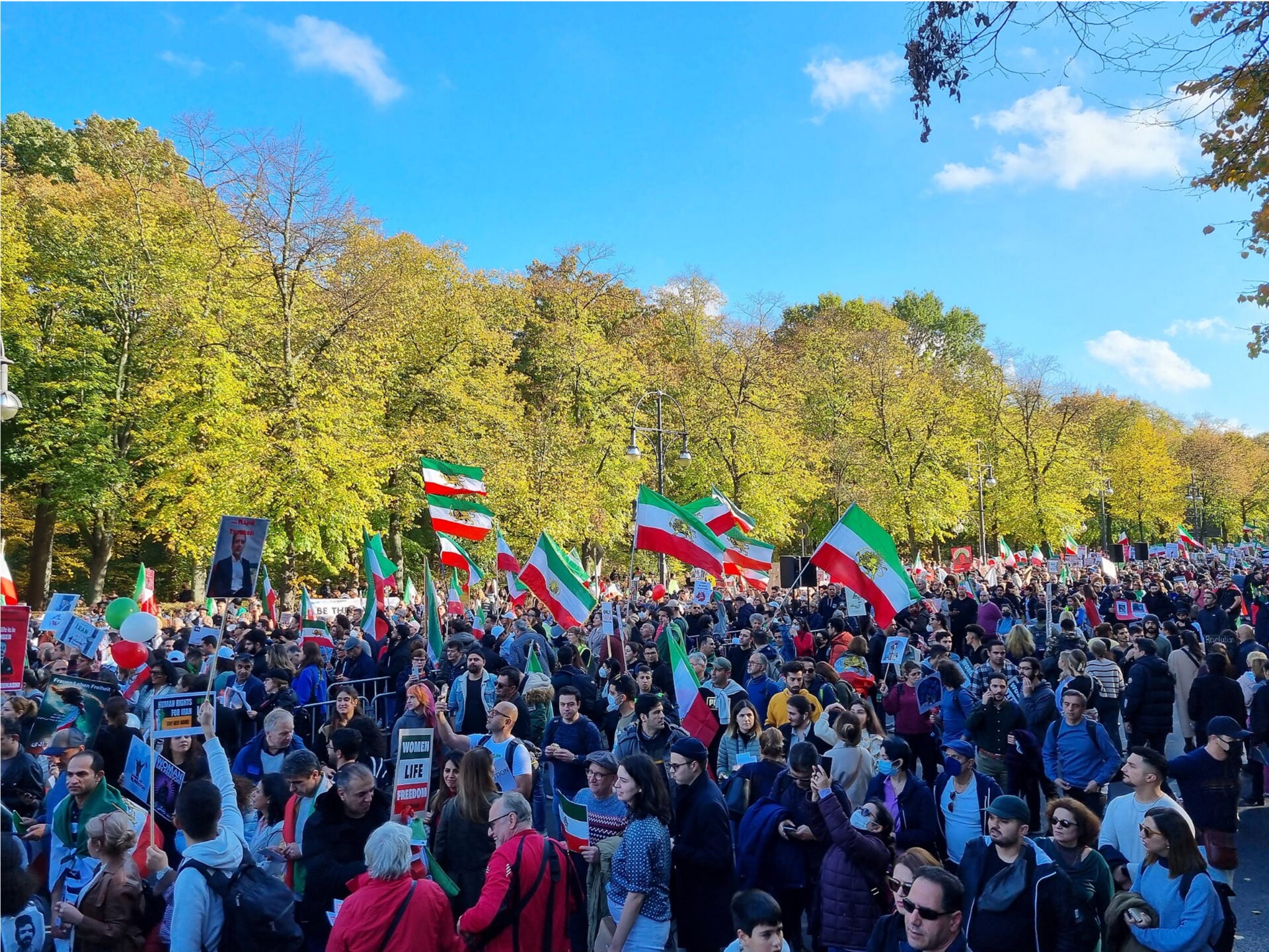
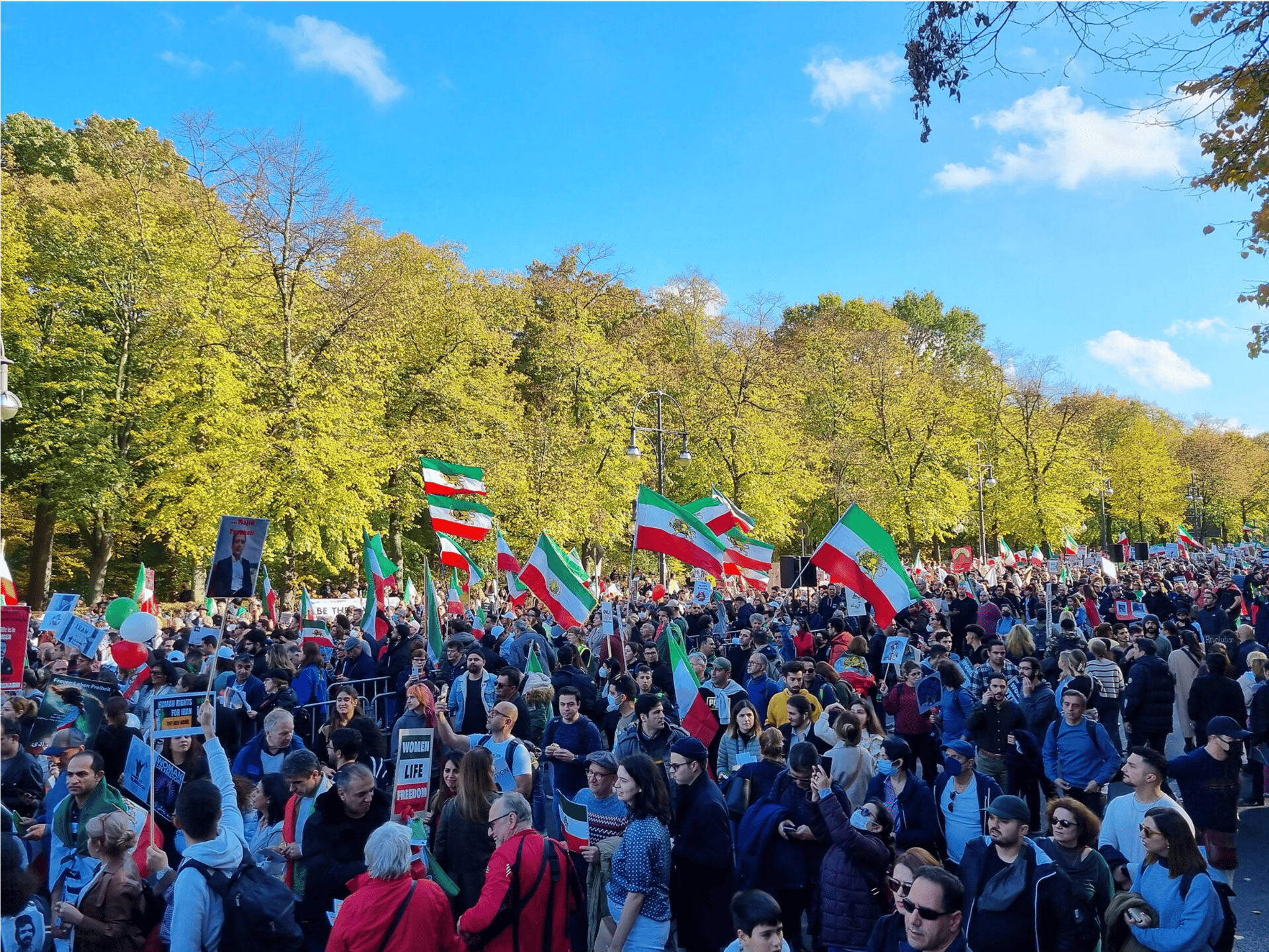
Earlier in the day, a protest was held near the embassy by supporters of the movement in Iran. Dozens of demonstrators, including members of the Comité Iran Vrij, carried signs reading slogans such as “Stop killing” and expressed solidarity with those protesting in Iran. Some waved the green-white-red pre-1979 Iranian flag, a symbol used by exiled opposition groups. Police, including riot units, were present to manage the crowd and maintain order during the event.
Background: protests in Iran
The unrest in Iran is part of a broader wave of demonstrations that began at the end of December 2025 and have grown into some of the largest public challenges to the clerical government in years. Economic hardship, rising prices, and political grievances have driven people onto the streets in cities across the country. Independent reporting is limited due to internet shutdowns and telecommunications blackouts, but international organisations and diaspora groups report ongoing clashes, detentions, and significant numbers of deaths linked to state security responses.
These actions have sparked global solidarity rallies outside Iranian diplomatic missions, including in cities such as London, Paris, and The Hague, as part of broader calls for human rights and government accountability.
Dutch diplomatic and political reactions
The Dutch government has voiced concern over the situation in Iran. Caretaker Foreign Minister David van Weel summoned the Iranian ambassador to express the Netherlands’ opposition to heavy crackdowns on peaceful protestors and to call for respect for fundamental human rights. In official statements, he urged Iran to restore basic internet access and address excessive force against demonstrators. Caretaker Prime Minister Dick Schoof also publicly condemned widescale repression, saying the government supports peaceful protest.
Meanwhile, Dutch authorities are balancing the right to protest with the need to protect diplomatic missions and ensure public safety. The arrests near the embassy illustrate the challenges of managing intense political sentiment in public spaces while respecting both Dutch law and international diplomatic norms.
Wider demonstrations among the Iranian community
Beyond the embassy incident, dozens of people gathered near the mission earlier to show support for protesters in Iran. These demonstrations are part of an ongoing pattern of rallies by the Iranian diaspora in the Netherlands, with some organisers announcing plans for regular biweekly protests until political change occurs in Iran.
Such community actions reflect broader global engagement with events in Iran and underscore how international events can reverberate in diaspora communities, especially in countries with significant Iranian populations.
As protests in Iran continue, Dutch authorities may continue to see expressions of support locally. Police and local governments are likely to monitor future demonstrations closely to prevent escalation into violence while facilitating lawful protest activity.