


Snow and freezing conditions have continued to disrupt rail travel across the Netherlands into the first week of January. Dutch Railways (NS) and track operator ProRail have warned that winter weather can cause switches to freeze, which forces trains to slow down or routes to be adjusted, leading to delays and cancellations on multiple lines.
NS has also used precautionary measures in some areas by running a reduced timetable on certain routes to keep services more stable when conditions are bad. This approach usually means fewer trains per hour, but aims to avoid larger disruptions that happen when equipment fails repeatedly.
For passengers, the practical result is simple: trains may run less often, and connections that normally work smoothly can break down when one delayed service affects the next. NS has advised travellers to check the journey planner shortly before leaving.
Schiphol hit by mass cancellations and de-icing delays
Air travel has been heavily affected as well. Schiphol has warned travellers to expect delays and cancellations, partly because aircraft need to be de-iced and runway capacity can drop when wind, snow, and operational limits combine.
KLM said it cancelled large numbers of flights due to the winter conditions, including 124 flights scheduled for Monday in one update, after already cancelling many flights since Friday. KLM also published its own notices explaining that ongoing winter weather was reducing capacity at Schiphol and forcing further cancellations as conditions persisted.
By Monday morning, Schiphol’s cancellation lists were already in the hundreds in some updates reported in Dutch media coverage, showing how quickly disruption can spread when bad weather lasts more than a single day.
Code orange for slippery roads in multiple provinces
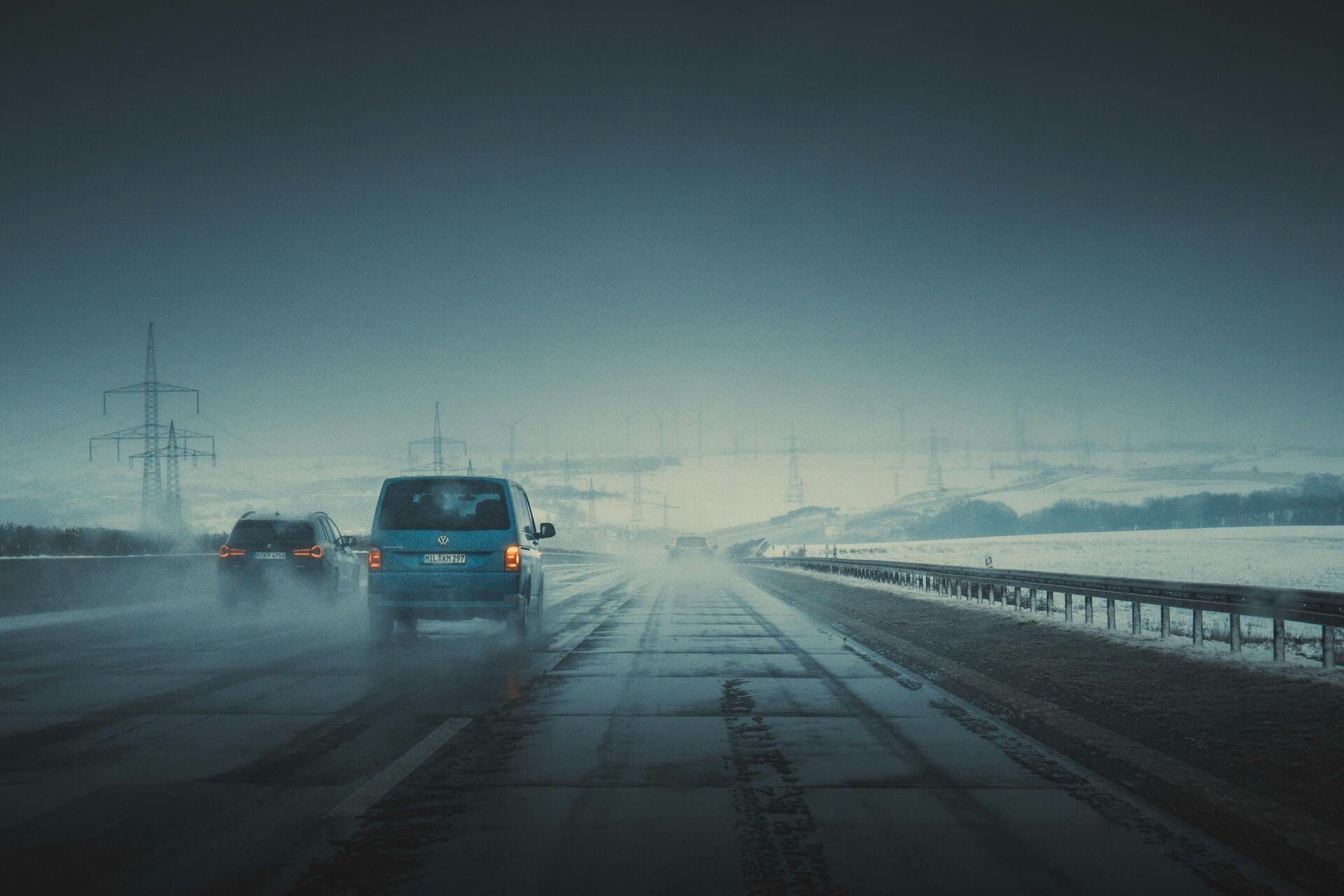
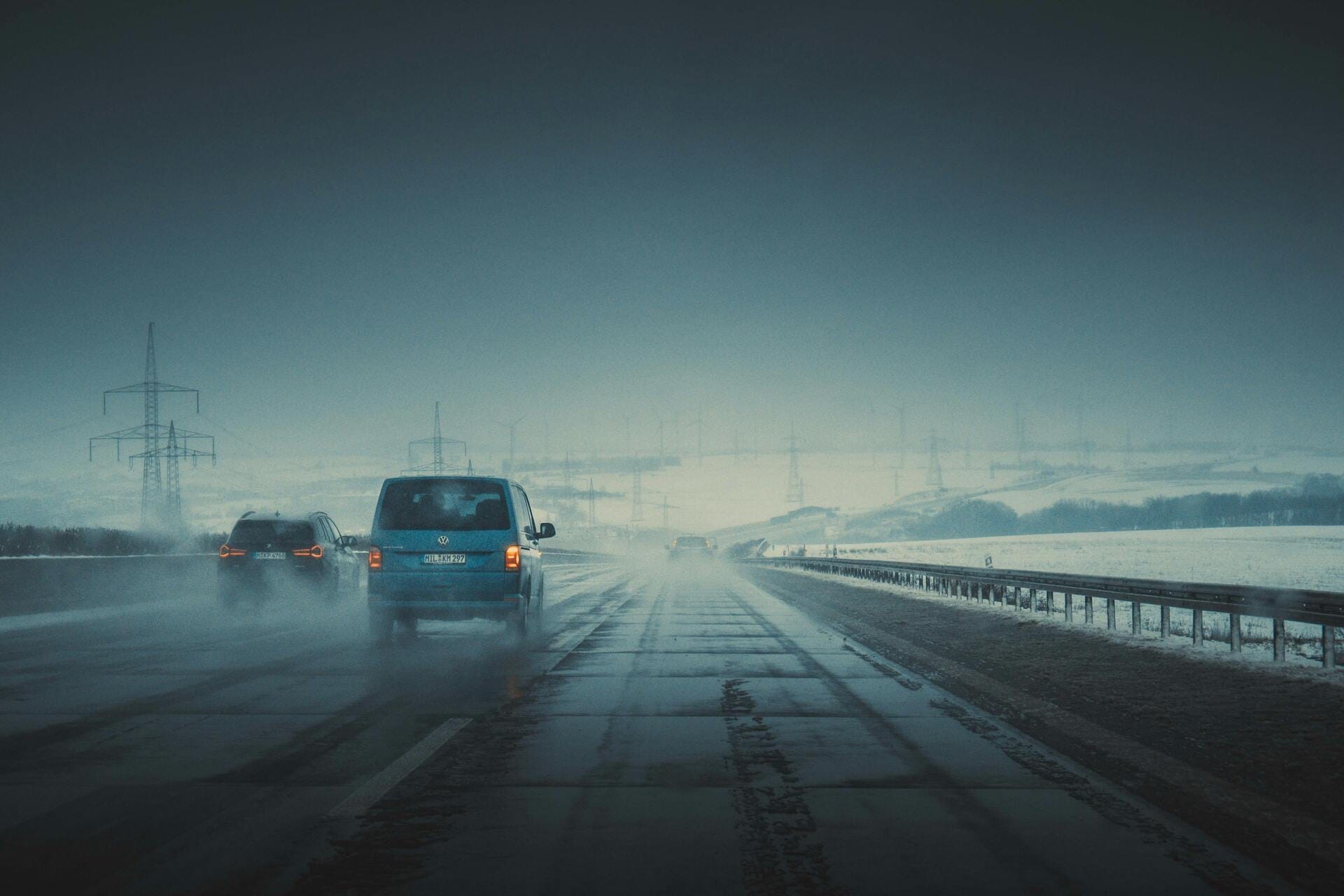
Road conditions have become a serious concern, with warnings upgraded in parts of the country. The KNMI issued code orange for dangerous slipperiness caused by snow and freezing, warning that several centimetres of snow could fall quickly in the west, middle, and north, with locally higher totals, while the rest of the country faced at least code yellow conditions.
As the new workweek began, icy roads contributed to multiple accidents, and winter conditions affected “all forms of traffic,” according to reporting that cited the scale of disruption.
Rijkswaterstaat said it has been actively treating roads and has warned drivers about hazardous conditions during periods of heavy snowfall. Even with salting, the combination of fresh snow, compacted slush, and freezing temperatures can quickly create patches of ice: especially on bridges, slip roads, and less-travelled routes.
Why it’s causing so much disruption
This weather pattern is disruptive because it hits multiple weak points at once:
Rail: switches and overhead equipment are sensitive to freezing and snow build-up.
Aviation: de-icing takes time, and snow plus wind reduces how many flights can safely take off and land per hour.
Roads: snow can hide ice, and temperatures near or below freezing can turn wet surfaces into black ice quickly.
Even when the snowfall itself is not extreme, a “long enough” winter spell creates backlogs: delayed trains end up out of position, crews time out, flights miss slots, and road incidents slow down traffic further.
What to expect next
KNMI warned that winter conditions and slippery roads may continue for days, with ongoing risk from snow showers and freezing of wet roads outside of shower periods. That means disruptions may not be limited to one morning rush hour. Conditions can improve briefly and then worsen again when another band of showers arrives or temperatures dip overnight.
For travel planning, this is the key point: even if it looks calm outside, the network may still be recovering from earlier disruption.
Practical advice for travellers
If you need to travel during this spell, the main steps are straightforward:
Train: check NS’s journey planner right before you leave and expect longer transfer times.
Flights: check your airline status frequently and plan for delays linked to de-icing and reduced capacity.
Driving: reduce speed, avoid sudden braking, and assume bridges and exits may be worse than main roads; follow Rijkswaterstaat and KNMI warnings closely.