


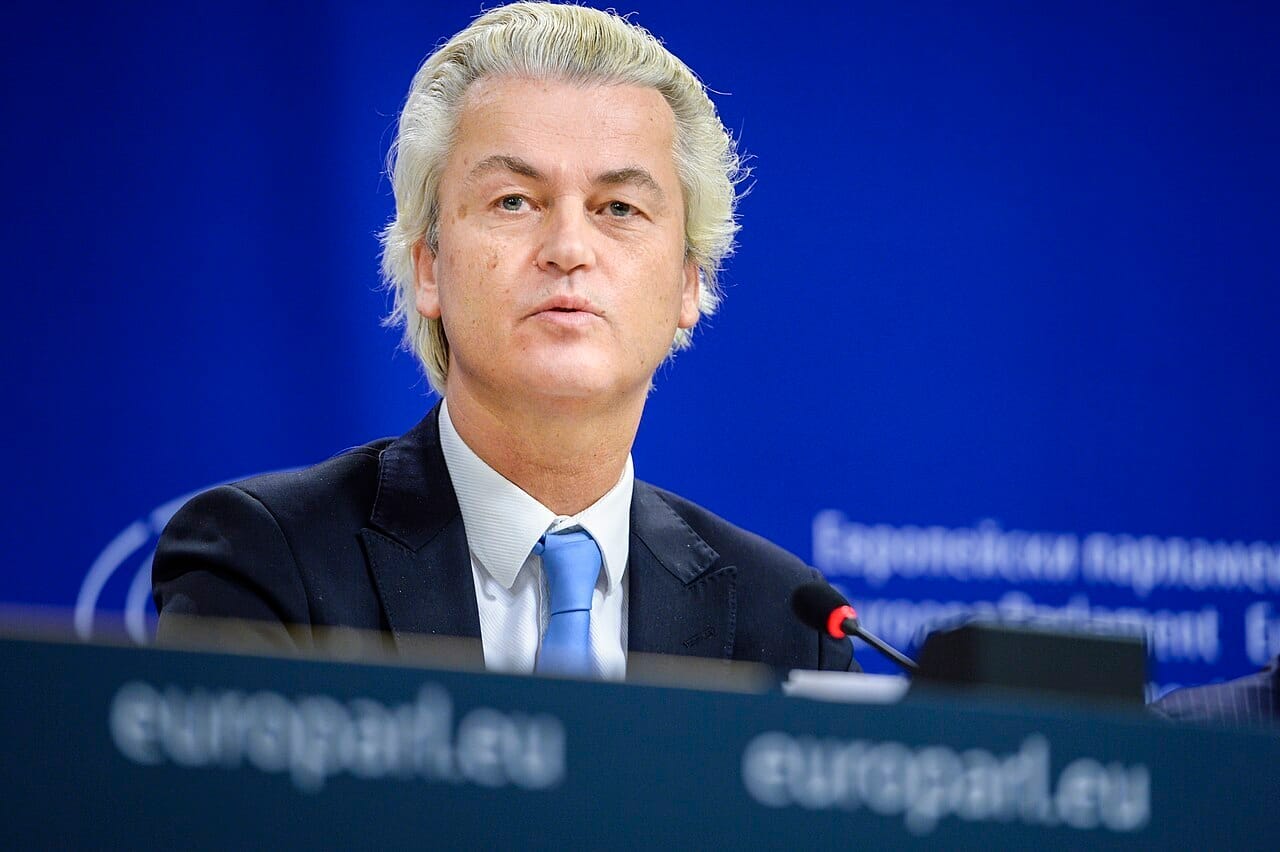
Seven lawmakers have left Geert Wilders’ Party for Freedom (PVV) in a major internal rupture that immediately changes the balance of power in the Dutch parliament. The departing MPs say they can no longer work within the PVV’s current structure and leadership style, and they have formed a separate parliamentary group called Groep Markuszower.
The break is unusual in scale for Dutch politics, and especially for the PVV, a party known for strict central control. Wilders called it “a black day” for his party, but said the PVV would continue its opposition course.
Who left and what they are demanding
AP news reported that the seven include prominent PVV figures such as Gidi Markuszower and Hidde Heutink, along with several other MPs listed in live coverage of the split.
According to reporting on the internal meeting that preceded the departure, the breakaway group wanted a serious discussion about the PVV’s direction after the most recent election, as well as how the party is run. A key point in their criticism is the PVV’s highly unusual structure: Wilders has long been the only formal member of the party, giving him exceptional control over candidate selection and decision-making. The departing MPs argued this creates risks for the party’s future and makes internal debate difficult.
Wilders responded that debate is possible, but rejected what he described as an attempt to force a course change without majority support inside the group.
The immediate impact in parliament
The split reduces the PVV’s parliamentary group from 26 seats to 19, weakening Wilders’ position as a leading opposition figure and changing the size ranking of parties in the House of Representatives.
Because the Netherlands uses proportional representation and coalition politics, even relatively small shifts in seat counts can matter. Parliamentary dynamics depend heavily on negotiating power, speaking time, committee roles, and how easily majorities can be assembled for specific bills. A new faction also means more moving parts in an already fragmented landscape.
Why this matters now, coalition talks and political timing
The timing is politically sensitive. The Netherlands is still working through coalition negotiations after a close national election, and the opposition’s shape matters for how stable any new cabinet will be. Reuters described the break as the most serious internal challenge Wilders has faced since founding the PVV, and noted that it lands during coalition talks involving other major parties.
Dutch reporting also suggests the breakaway group may be more open than Wilders to a “constructive” style toward ongoing negotiations, while Wilders has emphasized hard opposition. That difference matters because coalition-building in the Netherlands often depends on whether parties outside government are willing to cooperate on certain files (for example, budgets, defence, or emergency legislation), even if they are not formal coalition partners.
A broader debate about party democracy
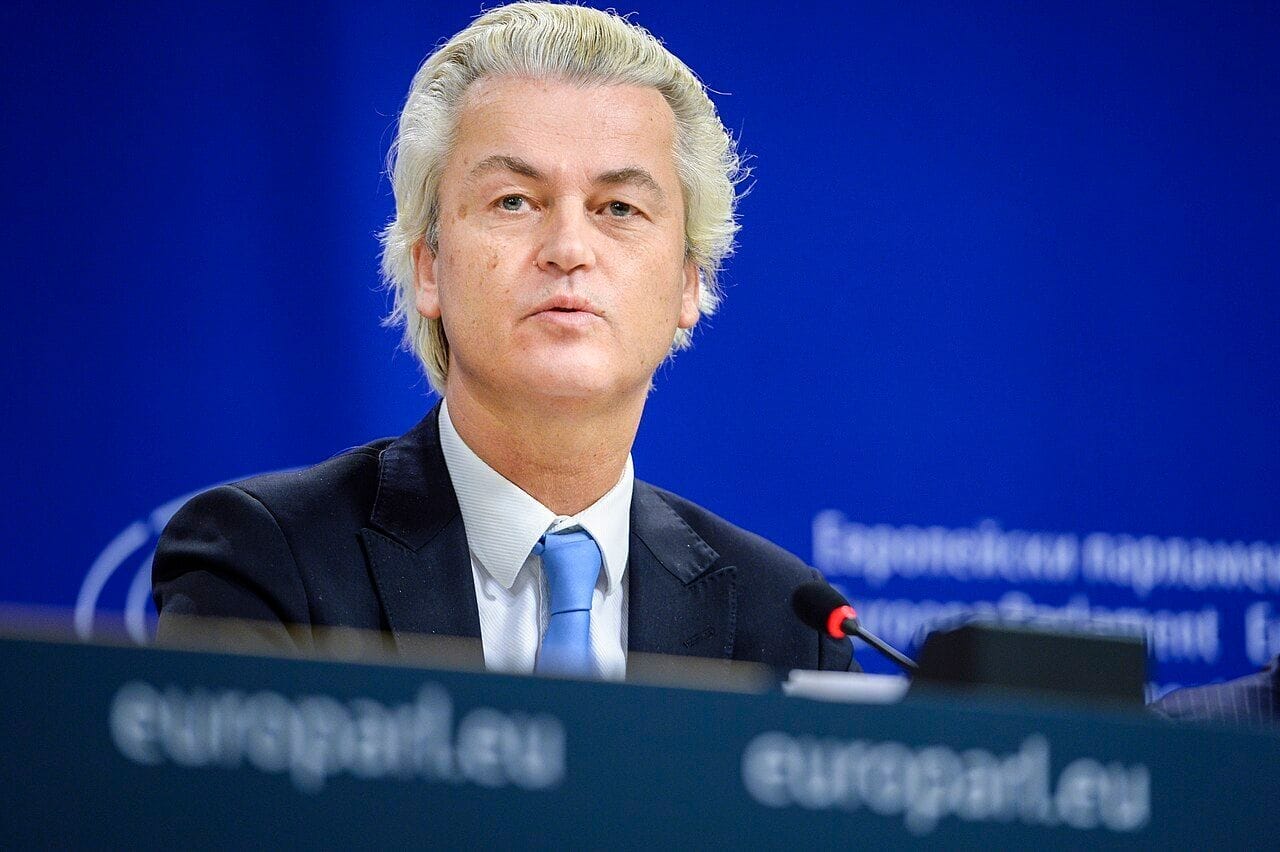
Beyond the numbers, the split has revived a long-running Dutch debate: how democratic should party structures be, and how much power should sit with one leader. The PVV is frequently discussed in this context because it does not operate like most Dutch parties, which typically have members, internal elections, and formal congresses.
The breakaway MPs argue that without deeper internal structure, the PVV is vulnerable (politically and legally)) especially as Dutch politics periodically revisits rules around party governance and transparency.
How voters are reacting
Early polling reported by Dutch broadcasters suggests many PVV voters recognize at least some of the criticism that led to the split, even if support for Wilders personally remains strong. That points to a possible scenario where both sides claim to represent the “real” PVV voter: Wilders through his established brand and messaging, and the breakaways through arguments about effectiveness and internal reform.
What happens next
In the short term, Groep Markuszower will function as a separate faction inside parliament, with its own speaking time and positions. The group has indicated it will consider whether to evolve into a formal party later, but it can already influence votes and debate simply by existing as a distinct bloc.
For Wilders, challenges have increased. He must keep the remaining PVV group unified while also limiting the political damage of a public split that raises questions about leadership and strategy. For the rest of Dutch politics, the key question is whether this fracture produces more instability, or whether it creates a new, more predictable actor that can sometimes help build parliamentary majorities.