


See more of Dutch Brief in your Google search results
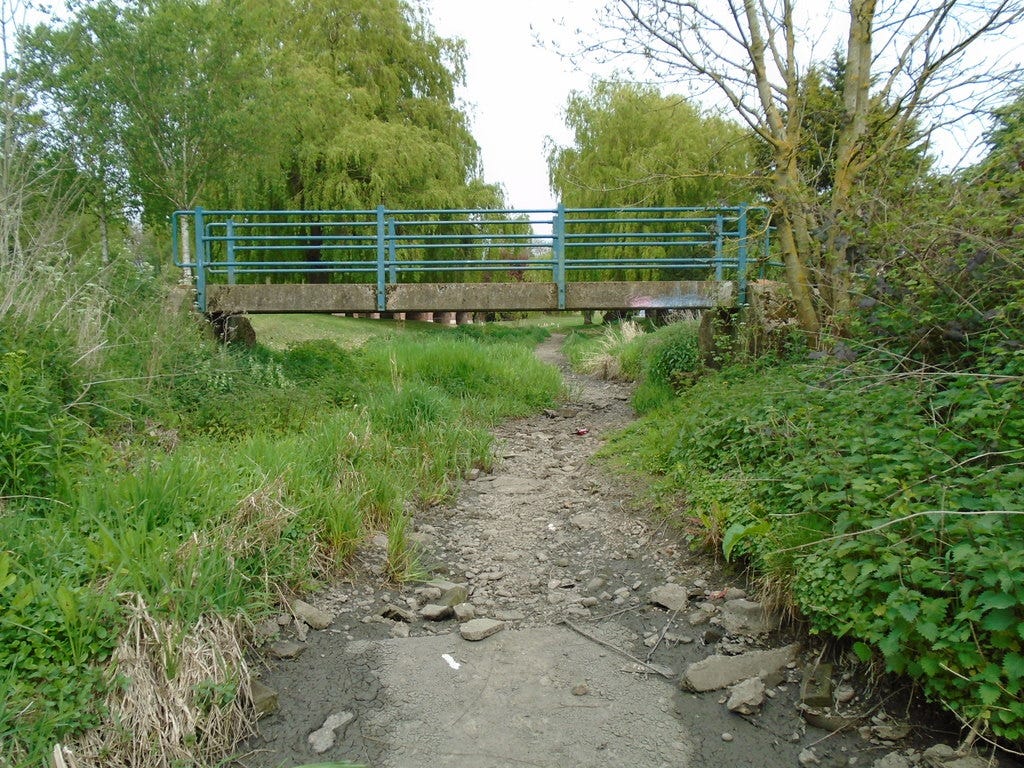
The drought gripping the Netherlands is deepening, and its effects are becoming increasingly hard to miss. On Thursday, the ministries involved, together with the water boards, drinking water companies and Rijkswaterstaat, the national water authority, are meeting to discuss the low water levels and what further measures may be needed.
Historically low rivers
The central problem is how little water is coming down the rivers. “River discharge is historically low, even lower than in the record year of 1976,” a spokesperson for Vincent Karremans, the minister of infrastructure and water management, told the newspaper AD. “So that says something about how seriously we need to take this.” Little rain, in the Netherlands and upstream, has left the great rivers running far below normal for the time of year.
What is already being done
A series of measures is already in force. Locks are being operated less frequently, because every time a lock is opened to let ships through, fresh water is lost. “If we are careful with the lock openings, we retain as much fresh water as possible,” the ministry spokesperson said, acknowledging that this comes at a price. “These are measures that affect shipping traffic and the economy. Deliveries are delayed or have to go by road. But it is necessary to prevent irreparable damage.”
Shipping has been hit directly. The locks near Eefde have been closed indefinitely, cutting off the Twente Canal, and the port of Deventer is due to close indefinitely from Saturday. “You can no longer access the Twente Canal from the IJssel,” the spokesperson said. “That is a major drain.”
On top of this, a growing number of regions have banned the extraction of surface water for uses such as irrigating crops. The province of Zeeland introduced such a ban this week for the first time in its history.
SPONSORED
You’re overpaying your accountant. And they still don’t call you back.
Neno gives you a dedicated bookkeeper, automated admin, real-time financial insights and a free business bank account. Everything your business needs, in one place.
No chasing. No surprises. No unnecessary costs.
Why low water is a problem
Beyond the inconvenience to shipping, low water brings its own dangers. If levels fall too far, the quays along the water can begin to subside. And as the rivers weaken, salt water pushes in from the sea, a process known as salination that harms water quality and the surrounding environment. It is a particular concern in the low-lying west of the country.
At Thursday’s meeting, officials may decide to restrict shipping further. One option being considered is one-way traffic on stretches of river, so that vessels do not run aground when trying to pass one another in the shallow water.
Where this sits on the scale
The Netherlands is currently at what is called phase two, meaning an actual water shortage, the point at which water managers have to make active choices about how to share out the water that is available. The next step up, phase three, is a full water crisis. At that stage, Minister Karremans would personally take over the running of the crisis meetings, which are for now led by the most senior official at his ministry.
It is not clear when, or whether, phase three will be declared. For the moment, the authorities are weighing how much further to go.
Drinking water is not at risk
Despite the seriousness of the situation, the message to households is reassuring on the point that matters most day to day. The minister’s spokesperson stressed that there is still enough drinking water. The measures being discussed are aimed at shipping, agriculture and protecting the wider water system, not at what comes out of the tap.