


See more of Dutch Brief in your Google search results
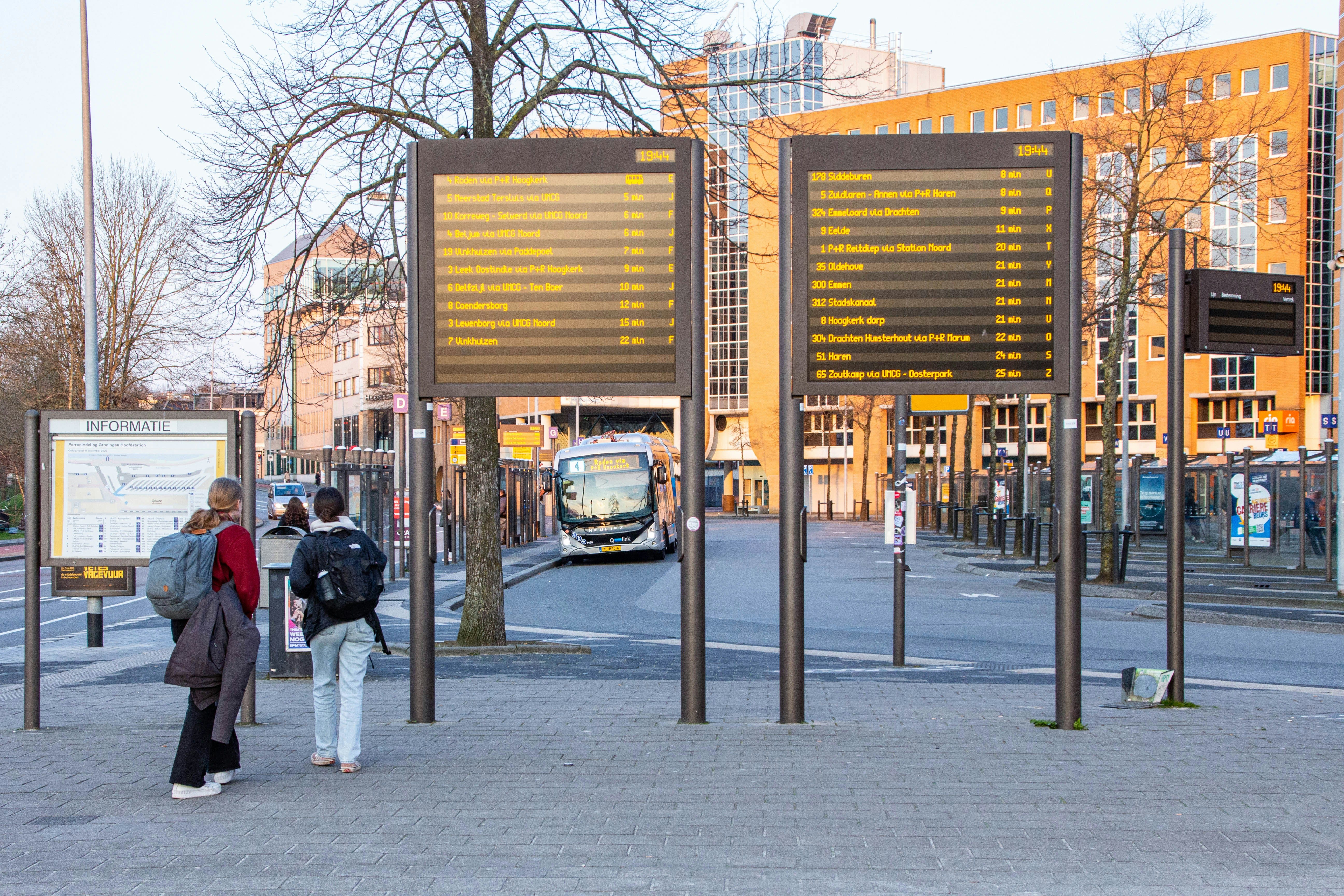
The two-day strike in regional public transport, announced last week, has started. For travellers, the main thing to know is that the impact depends a lot on your location. Some regions are hit hard, while others are barely affected.
Buses
The impact on bus services varies a lot by region. Noord-Brabant is the worst affected, with operator Arriva saying only about 10 to 15 percent of its buses are running there. In contrast, all Arriva buses are running as usual in the Achterhoek, and more than half are in service in Limburg and Twente. Other operators are also seeing high strike participation. EBS, which serves areas like Haaglanden and Zaanstreek, says 70 to 75 percent of its staff are striking. At Transdev, which runs buses in places like Utrecht and Gooi en Vechtstreek, just under 70 percent are taking part.
Operators point out that the number of staff on strike does not directly match the number of cancelled journeys. They are using available staff to keep as many buses running as possible. This means which services are running depends on the line and operator, so it is important to check before you travel.
Trains: Most NS services running, some regional lines cancelled
For most passengers, the situation on the railways is reassuring. NS intercity trains are mostly running on their normal timetable because NS staff have a different collective labour agreement and are not part of this strike. However, some regional train lines are affected. There are no trains between Nijmegen and Roermond (the Maaslijn) or between Zwolle and Kampen. Fewer trains are running on routes like Heerlen-Maastricht, Maastricht-Liège, Arnhem-Doetinchem, and Zwolle-Enschede.
A quick note to avoid confusion: NS also reported several disruptions on Monday that were not caused by the strike. These included signal and switch failures on lines like Amsterdam-Utrecht and Schiphol-Utrecht, as well as a broken-down train. So, not every delay is due to the strike.
City transport, such as trams, metros, and buses run by GVB in Amsterdam, RET in Rotterdam, and HTM in The Hague, is not affected. These staff are covered by separate agreements.
SPONSORED
You’re overpaying your accountant. And they still don’t call you back.

Neno gives you a dedicated bookkeeper, automated admin, real-time financial insights and a free business bank account. Everything your business needs, in one place.
No chasing. No surprises. No unnecessary costs.
On the roads
The strike happened during a busy morning on the roads. Rijkswaterstaat recorded about 500 kilometres of congestion on the motorways at 8:10 am, making it the third-busiest Monday morning rush hour this year. The ANWB, which tracks more roads, reported 844 kilometres of traffic jams. However, Rijkswaterstaat said the strike was not the main cause. They noted that people who usually take public transport often do not switch to driving. The busy roads were mainly due to the time of year: the run-up to Christmas is the busiest period on Dutch roads, and the cold weather also contributed.
What comes next
The strike happened because collective labour agreement talks broke down after union members strongly rejected the employers’ final offer. The current walkout is on Monday and Tuesday. The unions FNV and CNV have warned that if this two-day strike does not get the result they want, more strikes will follow. They have already planned extra strike days for 3, 4, 14, 15, and 18 December.
For now, anyone who relies on regional buses or trains should check their operator’s journey planner or the 9292 travel app just before leaving, since the situation changes by line and region. Emergency and city transport are not affected.