


See more of Dutch Brief in your Google search results
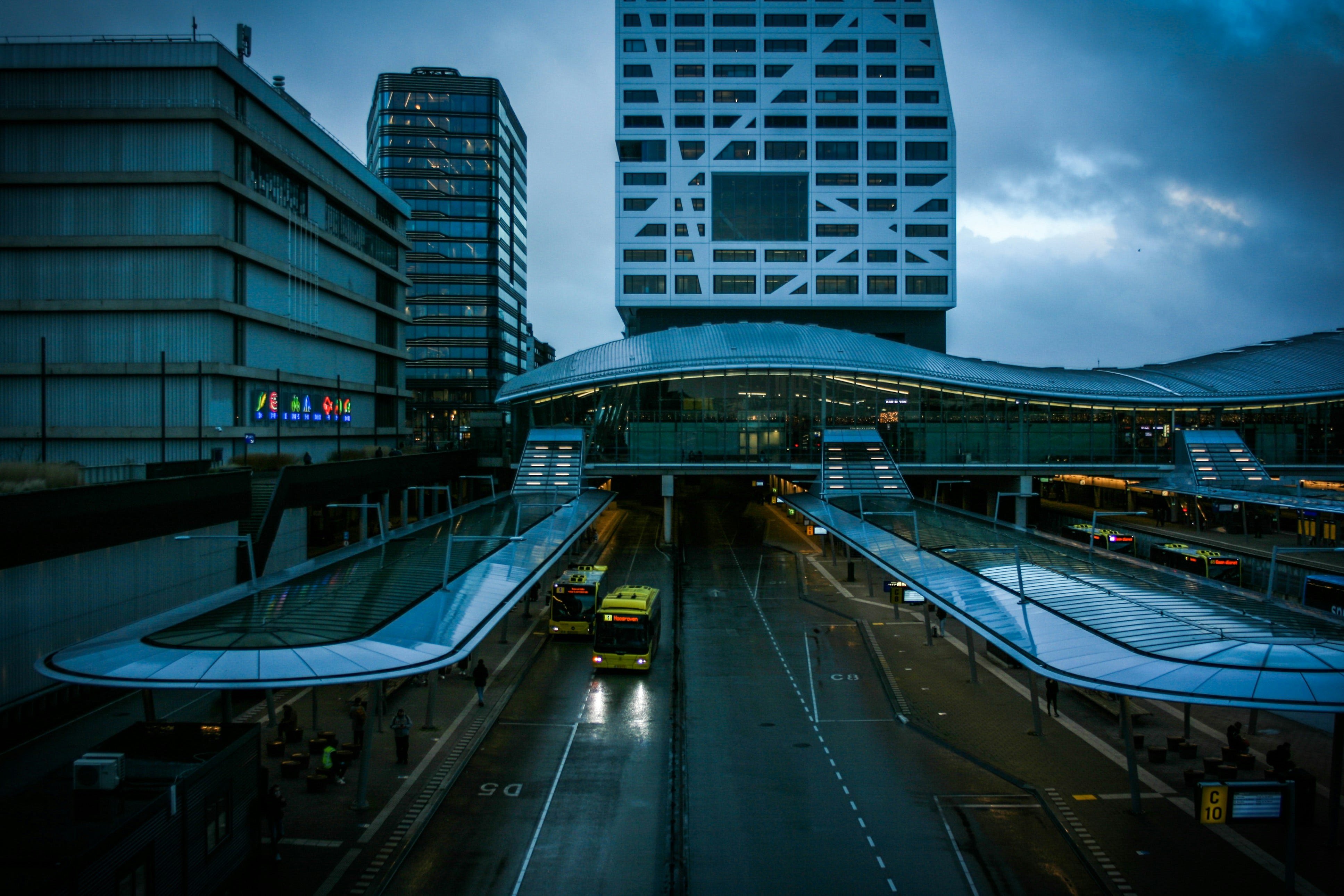
People who rely on regional buses and trains in the Netherlands should prepare for more disruption. Since collective-bargaining talks have failed again, workers will strike across the country next week. More strikes are planned for December if no deal is made.
What is happening
Bus drivers and other regional transport workers (streekvervoer) will stop working on Monday and Tuesday, according to unions FNV and CNV. These strikes will happen across the country, so many travellers should expect fewer or cancelled services.
If next week's two-day strike does not achieve the unions’ goals, more strikes will follow. The unions have already planned strikes for 3, 4, 14, 15, and 18 December. They are announcing these dates now so travellers can plan ahead.
Why the talks broke down
This is the latest event in a long-running dispute. Last month, there was already a strike in regional transport, and the unions had planned to strike once a week until Christmas. They paused these actions when talks with the employers’ organisation VWOV restarted. At first, the talks looked promising, but earlier this month it became clear that no agreement would be reached for now.
The employers’ organisation VWOV made a final offer, saying it “offers room for wage increases and maintains important schemes, but also takes into account the financial limits of our sector.” Union members strongly rejected this offer: according to the unions, 95 percent of FNV members and 93 percent of CNV members who voted were against it.
SPONSORED
You’re overpaying your accountant. And they still don’t call you back.

Neno gives you a dedicated bookkeeper, automated admin, real-time financial insights and a free business bank account. Everything your business needs, in one place.
No chasing. No surprises. No unnecessary costs.
What the two sides say
For the unions, the main issue is not the pay offer. “The employers had their chance to come up with a decent proposal. They did not do so. Instead, they came up with a poor final offer. That is why we are going to take action again,” said Marijn van der Gaag, a board member of FNV Regional Transport.
CNV negotiator Niels Rook said the wage offer was not the main problem, but other proposals were not good enough. “We will continue the actions until we do have a good collective labour agreement,” he said. “There must also be room in it for our proposals to improve the agreement, for example better schedules with more regularity in irregular hours.” The current public-transport collective agreement expired at the end of June 2026.
Who is affected
The public-transport collective agreement (cao Openbaar Vervoer) covers more than 13,000 employees, mainly bus drivers, at companies like Arriva, Transdev, EBS, Keolis, and Qbuzz. It also includes some regional train services, such as the Keolis-run Zwolle-Kampen and Zwolle-Enschede lines. Not all Arriva staff are covered by this agreement; some have a separate contract, so the impact on services may differ.
During last month’s strike, FNV said about 80 percent of regional-transport journeys were cancelled. Travellers next week should expect major disruption and check with their operator before travelling.
What next
The unions say they know the strikes affect passengers. “We understand very well how annoying it is when your transport is disrupted,” Van der Gaag said, hoping travellers will understand the reasons for the action. For now, the two sides are still far apart. If talks do not restart and lead to a deal, the December strikes could cause disruption up to Christmas.