


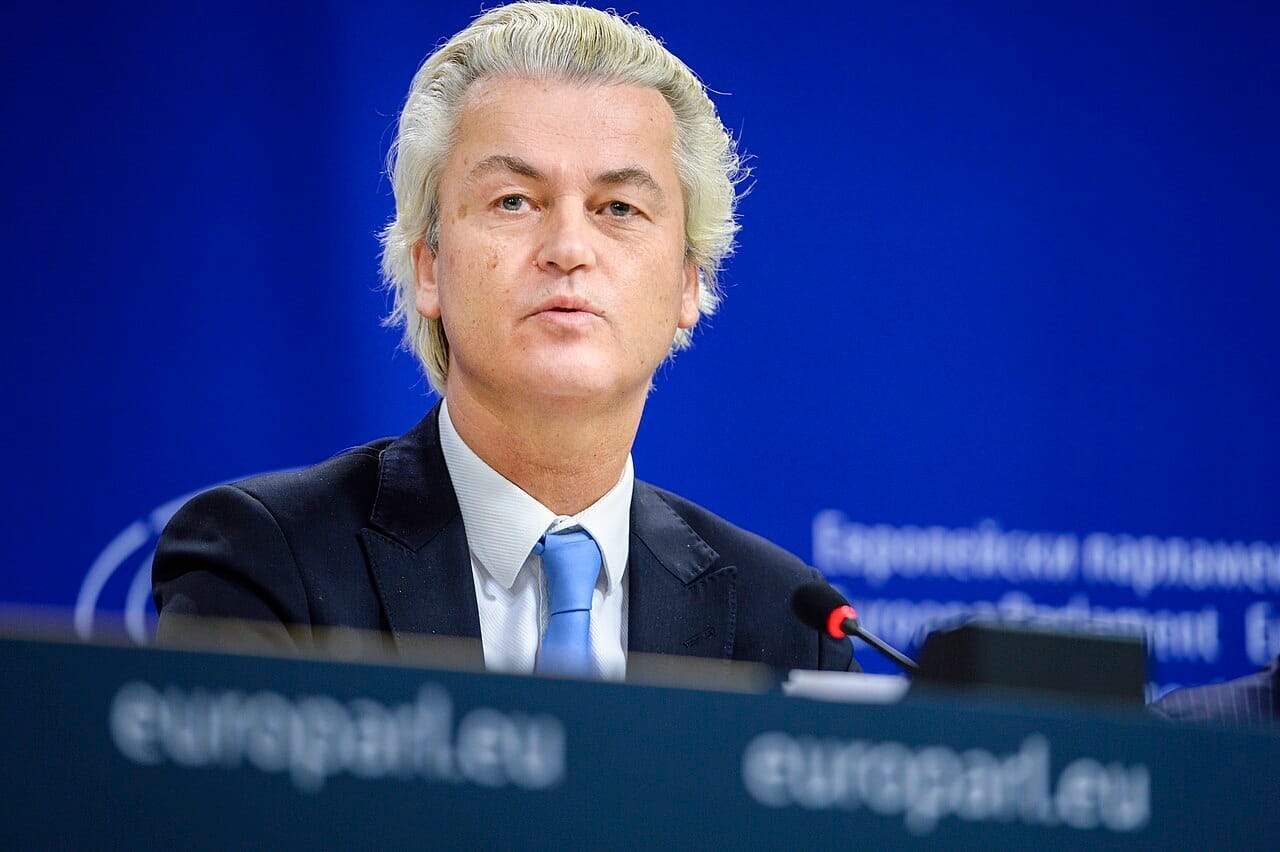
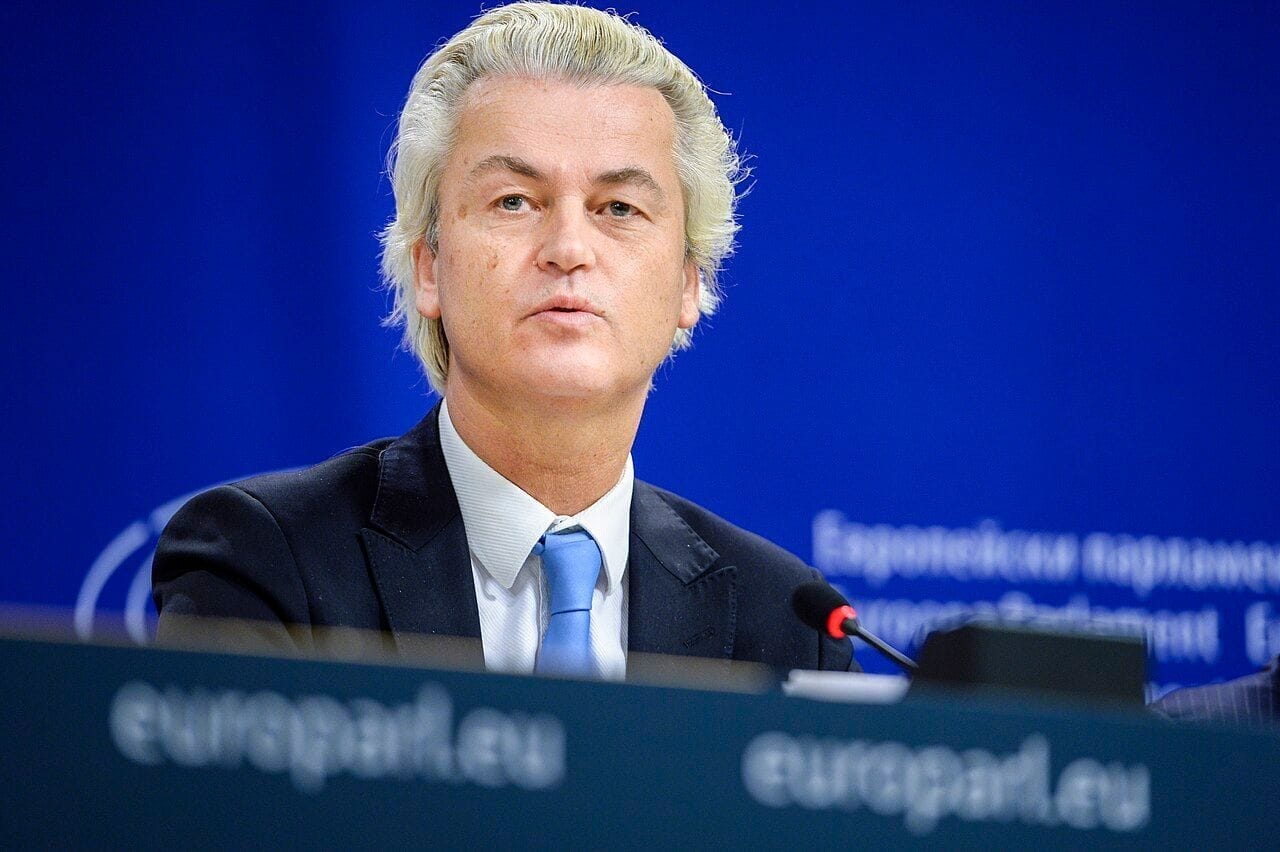
PVV leader Geert Wilders has been appointed second deputy chair of the Tweede Kamer, the lower house of the Dutch Parliament. The announcement was made by new parliamentary chair Thom van Campen (VVD) at the start of a debate on Thursday evening, placing one of Europe's most prominent far-right politicians in a formal leadership position within the Dutch legislative system.
New Parliamentary Leadership Structure
The leadership of the chamber now consists of:
Chair: Thom van Campen (VVD) – elected earlier this week as the youngest-ever chair of the Tweede Kamer at age 35
First deputy chair: Wieke Paulusma (D66)
Second deputy chair: Geert Wilders (PVV)
When Van Campen is absent, Paulusma will lead plenary meetings. If she is also unavailable, Wilders will chair the session, giving him significant influence over how parliamentary debates are conducted.
Role and Responsibilities
With this position, Wilders becomes part of the Presidium, the daily executive board that manages the Tweede Kamer's internal affairs. The Presidium is responsible for:
Setting the parliamentary agenda
Overseeing the budget and internal organisation
Deciding on practical matters such as facilities, staff, and working procedures
Wilders joked on X (formerly Twitter) that someone must ensure the Presidium "stays in the background" and mainly deals with "coffee and toilet paper," a reference to its practical, behind-the-scenes role. However, the position does carry significant influence over parliamentary operations and the legislative calendar.
Formally, Wilders keeps all the same rights as any other MP. In practice, however, the chair and deputies usually do not join debates or speak in the plenary when they are presiding, to maintain an image of neutrality. This means Wilders may need to step back from his typical combative role in debates when serving in his leadership capacity.
Political Context: A Divided Parliament
The appointment comes shortly after the October 29, 2025 election, in which D66 and PVV both won 26 seats, ahead of VVD (22) and GroenLinks–PvdA (20). The PVV's seat count represents a decline from their previous position but maintains them as a significant parliamentary force.
Earlier this week, Thom van Campen (VVD) narrowly beat outgoing chair Martin Bosma (PVV) in a multi-round vote to become the new speaker of the House. The close contest highlighted the political tensions in the newly elected chamber.
Coalition talks are currently underway to form a new Cabinet under D66 leader Rob Jetten, who is widely expected to become prime minister. Parties are still negotiating which combinations are possible, making this a politically sensitive moment in Dutch governance.
Why This Appointment Is Significant
Geert Wilders has been one of the most polarising figures in Dutch and European politics for over a decade, known internationally for his anti-Islam positions, opposition to the European Union, and hardline stance on immigration. His views have shaped Dutch political discourse and influenced far-right movements across Europe.
His appointment as second deputy chair is striking for several reasons:
Institutional legitimacy: It gives Wilders a formal role in the leadership of Parliament, not just as a party leader representing his faction, but as part of the body that manages the entire legislative process.
Symbolic significance: It places a far-right figure inside the Presidium, which shapes how the House organises its work and presents itself both domestically and internationally.
Political normalisation: The appointment demonstrates that even when PVV is not part of the governing coalition, the party can still hold key institutional positions, potentially normalising far-right presence in parliamentary leadership.
Mixed reactions: Supporters view the appointment as appropriate recognition of his party's electoral support and parliamentary influence, while critics warn it could deepen political polarisation and give legitimacy to extreme positions.
Balancing Leadership with Political Identity
The role presents an interesting dynamic for Wilders, who has built his political career on provocative statements and confrontational debate tactics. As second deputy chair, he will be expected to maintain neutrality when presiding over sessions, potentially limiting his ability to engage in the combative exchanges that have defined his public persona.
This balancing act, between his responsibilities as a neutral parliamentary leader and his identity as leader of a far-right opposition party, will be closely watched by both supporters and critics.