


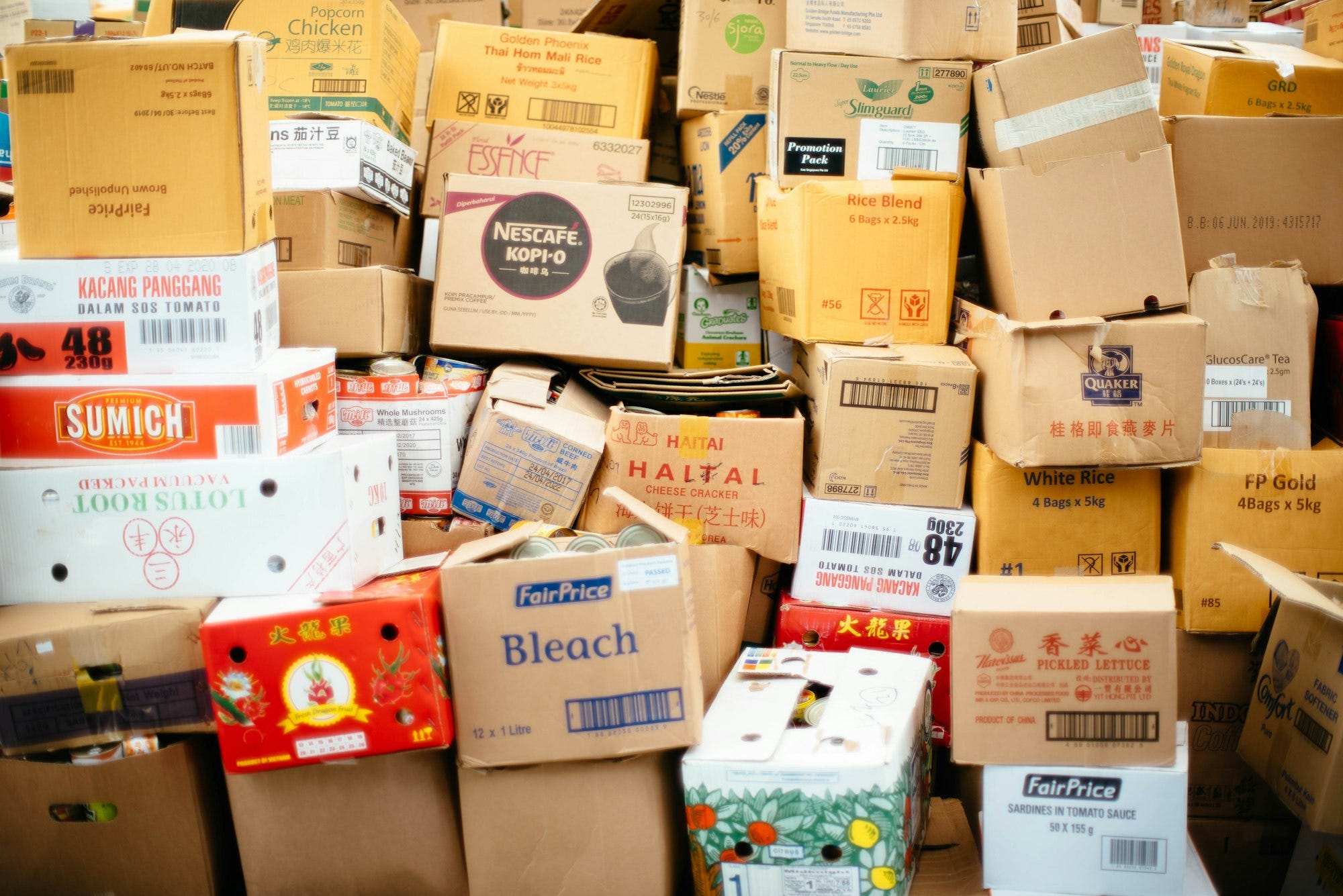
People in the Netherlands will not face an extra Dutch fee on cheap parcels from outside the European Union, at least for the moment. The caretaker cabinet has decided to pause its plan for a national surcharge on items ordered from non-EU webshops, such as many sellers in China.
The idea behind the Dutch plan was simple: the growing flow of small parcels creates extra work and extra costs for customs checks. A national fee would help pay for that, and it would also make ultra-cheap imports slightly less attractive.
Why the government is delaying the plan
The main reason for postponement is regional coordination. The government does not want the Netherlands to become the “easy entry point” for parcels if nearby countries do not introduce a similar fee. Officials have warned of a so-called “waterbed effect”: if one country adds a charge, large volumes may shift to routes through countries that do not, and then enter the EU market from there.
In this case, Dutch reporting says the cabinet held back because key neighbours were not moving in the same direction. In practice, that means the Netherlands avoids introducing a national measure that could change shipping routes and add pressure to Dutch customs operations without reducing the overall flow of parcels into Europe.
What the Dutch fee would have meant for shoppers
The postponed Dutch surcharge was being discussed as a flat amount per item in low-value parcels. Dutch reporting around the decision describes a proposed €2 fee, meant to cover customs handling and enforcement costs for the rising number of shipments, especially from China.
For consumers, that would have shown up as an extra charge on top of the product price and shipping costs. And because many low-cost webshops encourage small, separate deliveries, frequent shoppers could have noticed the impact quickly.
The bigger change is at EU level, and it is already scheduled
Even though the Netherlands is pausing a national fee, cheap parcels are still likely to become more expensive because the European Union is moving ahead with its own measure.
EU member states have agreed that, from 1 July 2026, small parcels valued at less than €150 entering the EU will face a fixed €3 customs duty. The Council of the EU describes this as a temporary step to address the fact that these parcels currently enter duty-free, which it says creates unfair competition for EU sellers and adds risks around fraud and product safety.
Dutch reporting also points to this upcoming EU measure as the main reason shoppers may still see higher costs later, even without a separate Dutch fee.
How the EU duty is expected to work
The EU plan targets the huge number of low-value e-commerce parcels shipped directly to consumers. Under the Council agreement, the €3 duty will apply to goods under €150, and it is designed as a simplified rate rather than traditional customs calculations for every small order.
The Council also links the measure to broader goals:
reducing incentives for shipping many individual parcels instead of bulk deliveries
easing pressure on customs authorities
improving enforcement around product rules and tax compliance
creating a more level playing field between EU businesses and non-EU platforms
What this means for Temu, Shein, and similar platforms
For shoppers, the key point is not the name of any single webshop, but the business model: very low prices, very high volumes, and lots of small parcels.
A flat duty makes this model less attractive. It raises the cost of each low-value order and can push platforms toward shipping in bulk to EU warehouses and distributing from inside Europe, rather than sending many individual parcels across borders. Dutch reporting explicitly describes this “make individual parcels less attractive than bulk shipments” effect as part of the policy logic.
What to expect next
Three timelines now matter:
Short term (now): no extra Dutch surcharge is being added at checkout purely because the parcel comes from outside the EU.
Mid 2026: the EU’s €3 customs duty is scheduled to start on 1 July 2026 for parcels under €150.
Longer term: EU institutions are working on wider customs reforms, which could further change how low-value imports are handled in the future. The Council describes the €3 duty as temporary until a permanent system is in place.
For Dutch shoppers, the practical takeaway is that cheap online shopping from outside the EU is not getting an extra Netherlands-only fee right now, but the EU is still preparing a bloc-wide change that is likely to raise costs for many low-value parcels in 2026.