


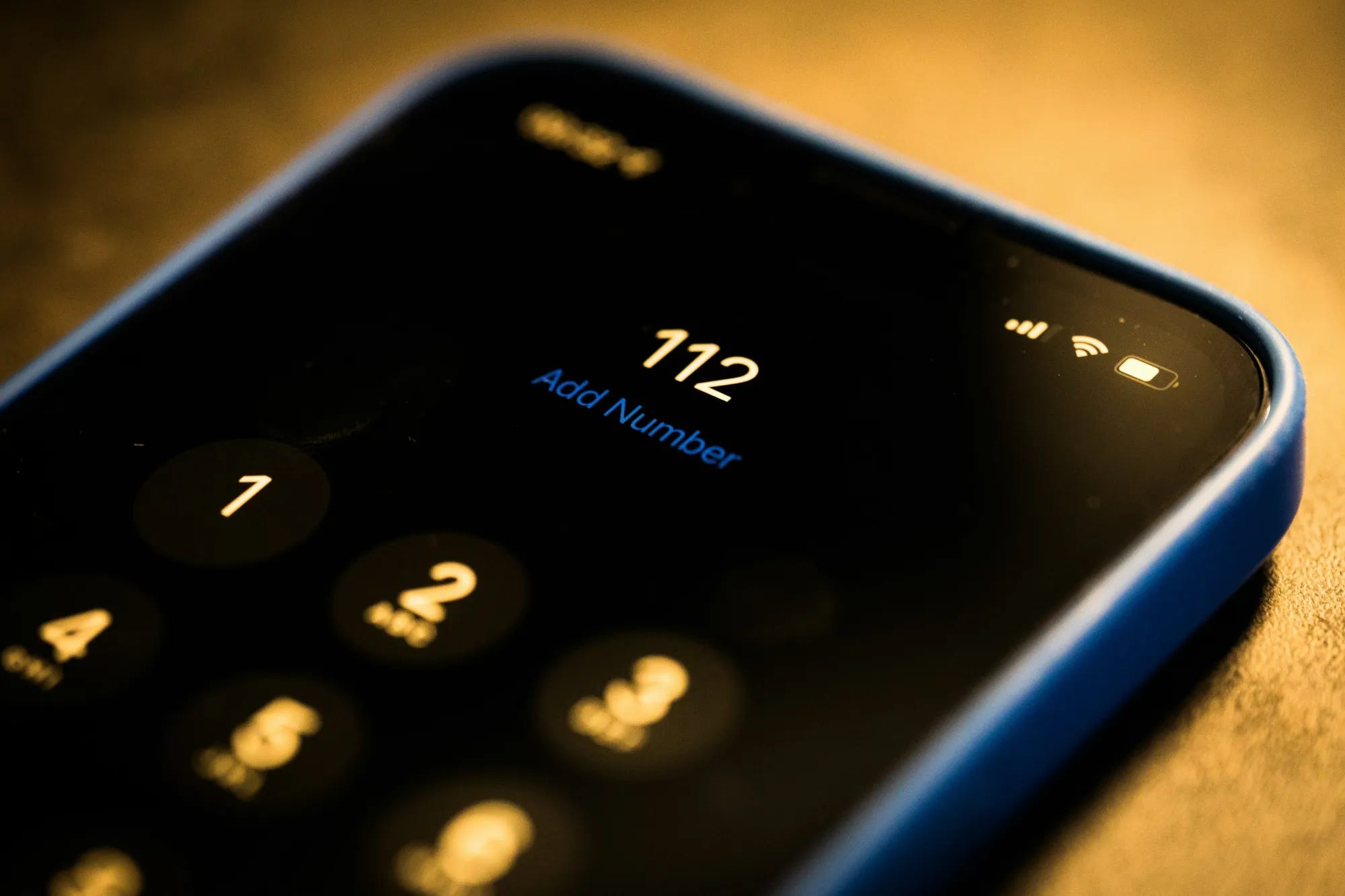
Pilot programme tests neighbourhood hubs where residents can get information, report emergencies and coordinate with authorities when power and communications fail.
Nearly 70 Dutch municipalities across all 25 safety regions have begun testing emergency support points, locations where residents can go for information and basic assistance when normal infrastructure fails. The pilot, announced by the Association of Dutch Municipalities (VNG), represents the next step in the government's broader campaign to prepare the population for extended crises.
What are emergency support points?
Emergency support points (noodsteunpunten) are designated locations, typically existing community centres, neighbourhood houses or municipal buildings, where residents can gather during a crisis when everyday services have broken down. They are not evacuation shelters or accommodation centres, but rather information and coordination hubs.
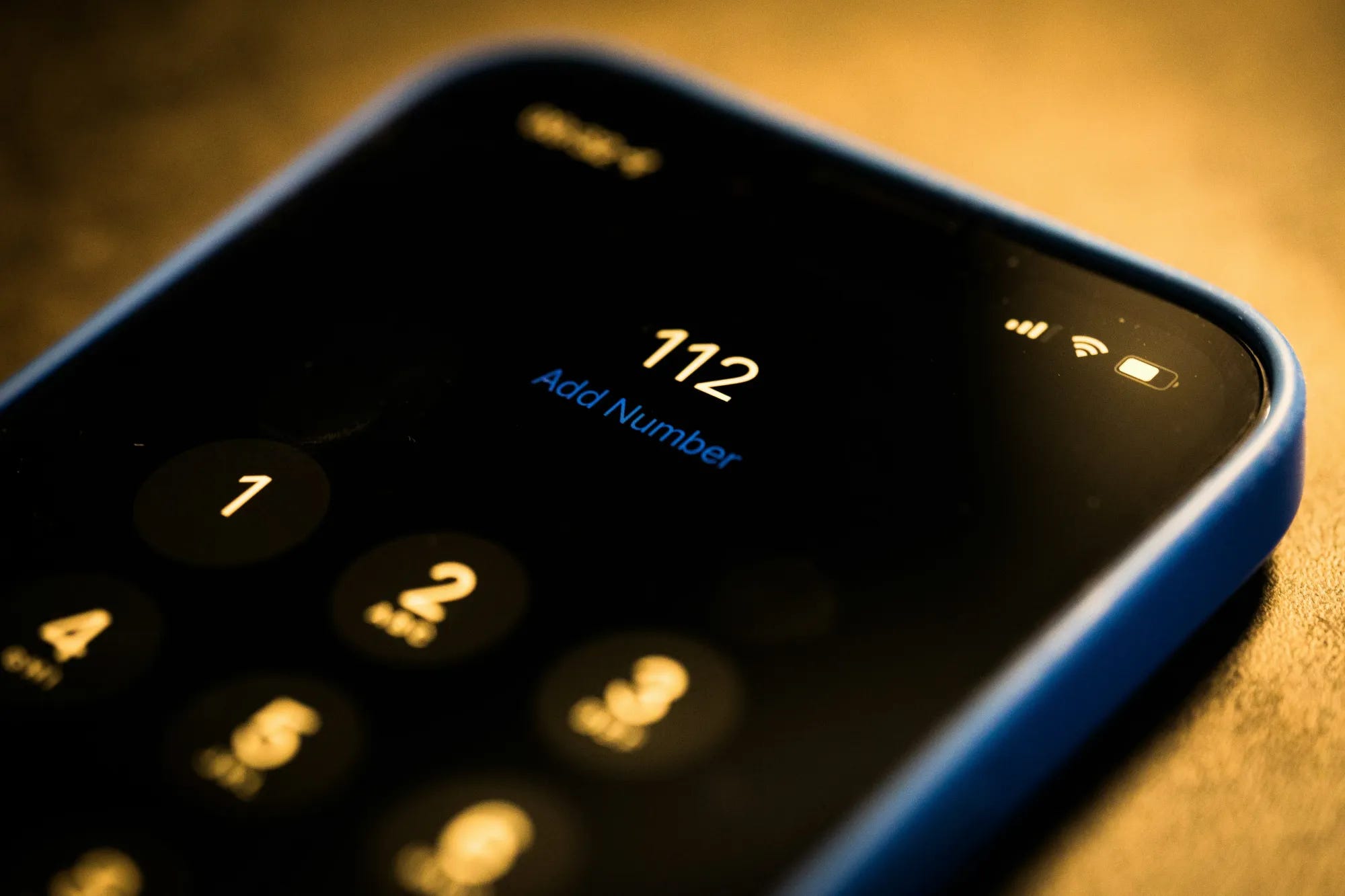
At these points, residents can receive reliable information about the crisis situation, report emergencies when 112 cannot be reached by phone, access basic resources, and coordinate with neighbours and local authorities. The locations will be equipped with emergency generators and communication equipment to function independently of the regular power grid and telecommunications networks.
The system operates through a two-tier structure. Local emergency support points serve individual neighbourhoods, while coordination points, typically set up at fire stations, provide oversight and relay information between the support points and regional crisis management teams.
Why the Netherlands needs this
The pilot emerges from the "Denk vooruit" (Think Ahead) campaign launched by the government in November 2025, which encouraged all Dutch households to prepare emergency kits and develop family emergency plans. All 8.5 million households received a booklet explaining how to survive the first 72 hours of a major crisis, whether caused by extreme weather, flooding, cyberattack or even armed conflict.
The reasoning is straightforward: during the critical first three days of a major emergency, authorities and emergency services will be stretched thin, focused on bringing the crisis under control and reaching the most vulnerable. Most people will need to manage on their own. Research commissioned by the Ministry of Justice and Security found that six in ten Dutch people believe the likelihood of an emergency has increased over the past year, yet only three in ten have actually prepared for one.
Ton Heerts, mayor of Apeldoorn and chair of the VNG's Board and Safety Committee, explained that while everyone knows which emergency services respond to a traffic accident or train derailment, the situation becomes far less clear during extended power outages affecting entire neighbourhoods. "That's something we really still need to learn," he acknowledged.
How the pilot works
Each of the 25 safety regions is running a pilot with at least one rural support point, one urban support point, and one coordination point. The Gelderland region, for example, is testing locations in Nunspeet and Ermelo for rural settings, Harderwijk for urban areas, and Apeldoorn as a regional coordination hub. The Noord-Holland Noord region is working with Alkmaar, Den Helder, Medemblik and Schagen.
The trials involve practice exercises simulating scenarios such as extended power outages. Communities will test whether residents actually come to the support points, whether emergency generators function properly, and whether basic questions can be answered: Where is the nearest bakery? How can people access drinking water if mains supply is contaminated? Where do vulnerable residents live and how can they be reached? What options exist for charging phones?
The results gathered over the coming year will inform how all 342 Dutch municipalities might eventually establish their own emergency support networks.
Lessons from Roermond
The pilot builds on earlier experiments, most notably the "72 hours without power" trial in Roermond in November 2025. Six households voluntarily switched off their main circuit breakers for three days during a cold weekend to experience firsthand what extended power loss actually means.
Participants received emergency supplies including a hand-crank radio, flashlights, water and a diary to record their experiences. They were prohibited from using electricity anywhere, including outside their homes. One participant described the experience as revealing unexpected difficulties, particularly the psychological impact of losing social contact through phones, internet and television. "It wasn't hunger that made it difficult," she reflected. "It was the feeling of disconnection."
Learning from Scandinavian neighbours
Mayor Heerts noted that emergency support infrastructure is well-established in Scandinavian countries, but the Netherlands must still learn that essential services cannot always be taken for granted. Sweden, Finland, Norway and Denmark have all launched major civil preparedness campaigns in recent years, prompted by the changed security situation following Russia's invasion of Ukraine.
Sweden distributed its "If Crisis or War Comes" booklet to 5.2 million households in late 2024, the first such mass distribution since the Cold War. Finland launched an extensive online preparedness platform, while Norway distributed printed pamphlets urging citizens to be self-sufficient for at least one week. Denmark even developed contingency systems allowing citizens to use payment cards for a week during internet outages.
The Dutch approach aims to combine individual household preparation with community-level infrastructure, recognising that not everyone can manage alone during extended emergencies. Identifying where vulnerable residents live and ensuring they can be reached represents a key challenge the pilots will address.
Next steps
The experiences gathered from the pilots will contribute to developing a model that other municipalities can adopt in future. The safety regions expect to evaluate results throughout 2026, with recommendations informing the eventual rollout of a national network of emergency support points.
For now, the government continues to encourage all residents to prepare their own emergency supplies: three litres of water per person per day, non-perishable food, a battery-powered or hand-crank radio, flashlight, first aid kit, blankets, whistle, cash (€70 per adult, €30 per child), and copies of important documents. More information is available at denkvooruit.nl.