



The Netherlands concluded its most successful Winter Olympics ever at the Milan-Cortina Games, claiming ten gold medals to finish third in the overall medal standings behind Norway and the United States. The Dutch delegation brought home 20 medals in total, surpassing the previous gold medal record of eight achieved at Sochi 2014, PyeongChang 2018 and Beijing 2022.
Skating dominance
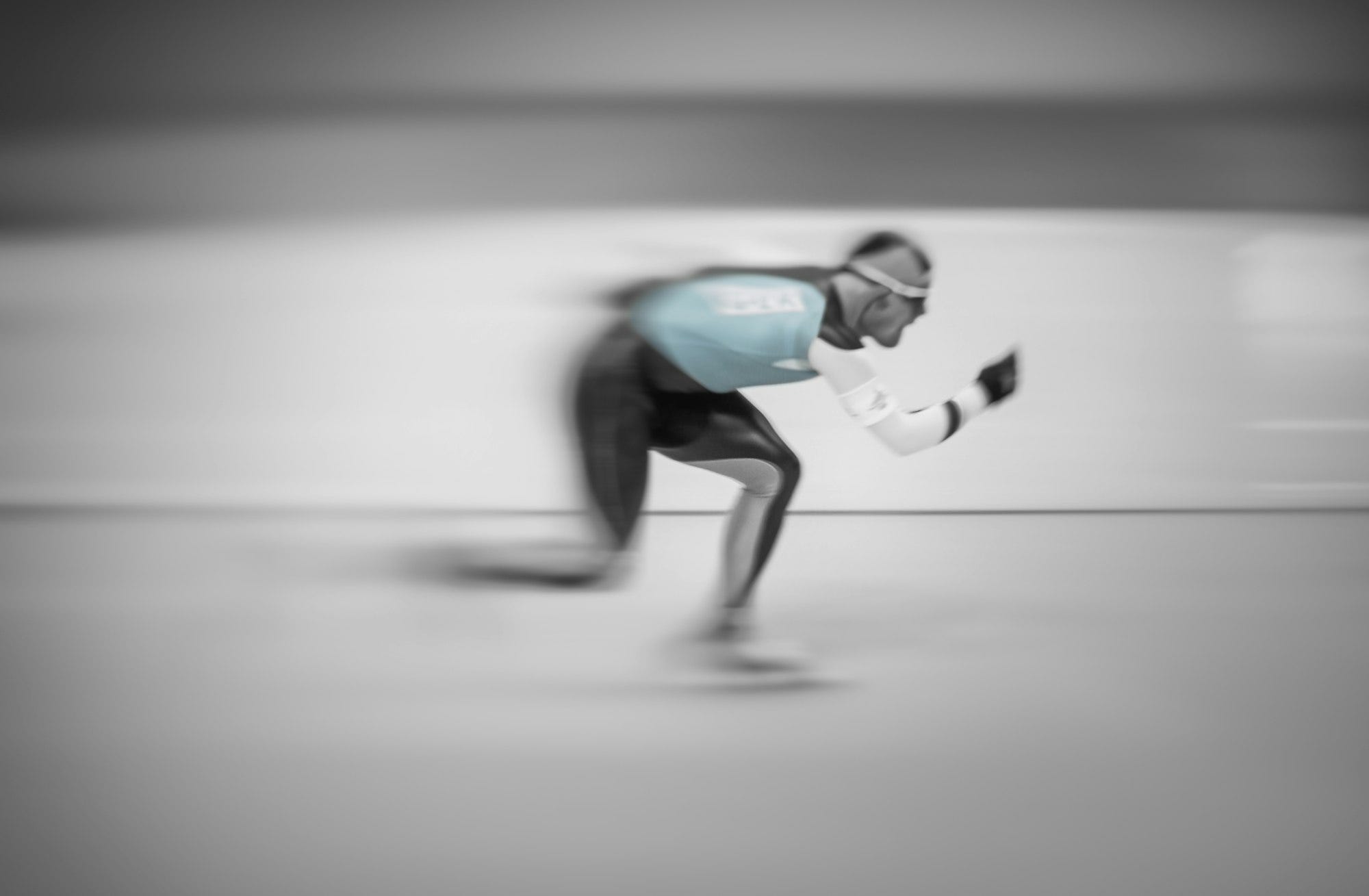
All twenty Dutch medals came from speed skating events, with thirteen on the long track and seven in short track. The performance confirmed the Netherlands' status as the preeminent nation in speed skating, a remarkable achievement for a country without mountains or natural ice outside of occasional harsh winters.
Femke Kok emerged as a standout performer on the long track, winning gold in the 500 metres with an Olympic record time of 36.49 seconds. The 25-year-old world record holder had not lost a 500-metre race in two years entering the Games. She also claimed silver in the 1,000 metres, where teammate Jutta Leerdam took gold in another Olympic record time of 1:12.31.
The Kok-Leerdam rivalry captivated Dutch audiences. In the 1,000 metres, Kok broke the Olympic record, only for Leerdam to better it minutes later in the final pairing. Their positions reversed in the 500 metres, with Kok claiming gold and Leerdam silver. The pair embraced after both races, with Kok noting they had pushed Dutch sprinting to new heights over six years of competing against each other.
Antoinette Rijpma-de Jong added to the Dutch medal haul with gold in the 1,500 metres at her fourth Winter Games, winning by just six hundredths of a second. The Netherlands has now won the women's 1,500 metres at every Winter Olympics since Vancouver 2010.
Short track breakthrough
Perhaps more surprising than the long track success was Dutch dominance in short track, historically a discipline where South Korea and China have excelled. The Netherlands won five gold medals in short track, more than they had won in all previous Olympic appearances combined.
Xandra Velzeboer, 24, set a world record of 41.399 seconds in the women's 500-metre semi-final before cruising to gold in the final, becoming the first Dutch woman to win the event. She added a second gold in the 1,000 metres four days later.
Brothers Jens and Melle van 't Wout formed the core of the men's short track team. Jens, who carried the Dutch flag at the opening ceremony alongside skeleton racer Kimberley Bos, won three gold medals in the 1,000 metres, 1,500 metres and men's relay, plus bronze in the 500 metres. His older brother Melle claimed silver in the 500 metres and gold alongside Jens in the relay.
The relay triumph was historic, marking the first time the Netherlands had won gold in any men's short track relay event. Jens van 't Wout, who has a gold tooth from a skating accident seven years ago, said he had dreamed of becoming Olympic champion but never imagined winning multiple distances.
Veteran triumph
The most emotional Dutch gold came on the penultimate day of competition when 40-year-old Jorrit Bergsma won the men's mass start, securing the record-breaking tenth gold medal. The 2014 Sochi champion in the 10,000 metres made an early breakaway with Denmark's Viktor Hald Thorup, and the chasing pack including favourite Jordan Stolz never caught them.
Bergsma was so far ahead at the finish that he slowed down to wave at the cheering crowds. He later joked that he might need to return to defend his title in four years, despite initially planning retirement. Half an hour later, Marijke Groenewoud completed a Dutch mass start sweep with gold in the women's event.
Record achievements
Four Dutch athletes set Olympic records during the Games. Velzeboer's 500-metre short track world record doubled as an Olympic record, while Kok set the 500-metre long track Olympic record and Leerdam the 1,000-metre record. Dutch athletes also contributed to four of the nine Olympic records set across all sports at the Games.
Chef de Mission Carl Verheijen told Dutch media that 31 percent of Dutch starts resulted in a medal, with 61 percent finishing in the top eight. The team had aimed for 16 to 19 medals and exceeded expectations with 20.
Notable absences
The Dutch success came despite some absences. Suzanne Schulting, the triple Olympic champion from Beijing 2022, competed in both long and short track but failed to reach the podium in individual events. Joy Beune, who won all four 1,500-metre World Cup races she entered this season, controversially failed to qualify at the Dutch Olympic trials, sparking debate about the Netherlands' selection system.
Figure skaters Daria Danilova and Michel Tsiba became the first Dutch pair skaters ever to compete at the Olympics, reaching the Games only after successfully appealing the national committee's initial decision not to send them.
Historical context
The third-place overall finish represents the Netherlands' best ranking at any Winter Olympics, surpassing fourth place at Sapporo 1972. The country has now won the most Olympic speed skating medals of any nation in history, further cementing its status as the dominant force in the sport despite its flat terrain and lack of natural winter sports infrastructure.
Norway led the overall medal table with 18 gold medals, breaking the record for most golds at a single Winter Games. The United States finished second with 12 golds, while host nation Italy celebrated 10 golds and 30 total medals, breaking their own national record.