


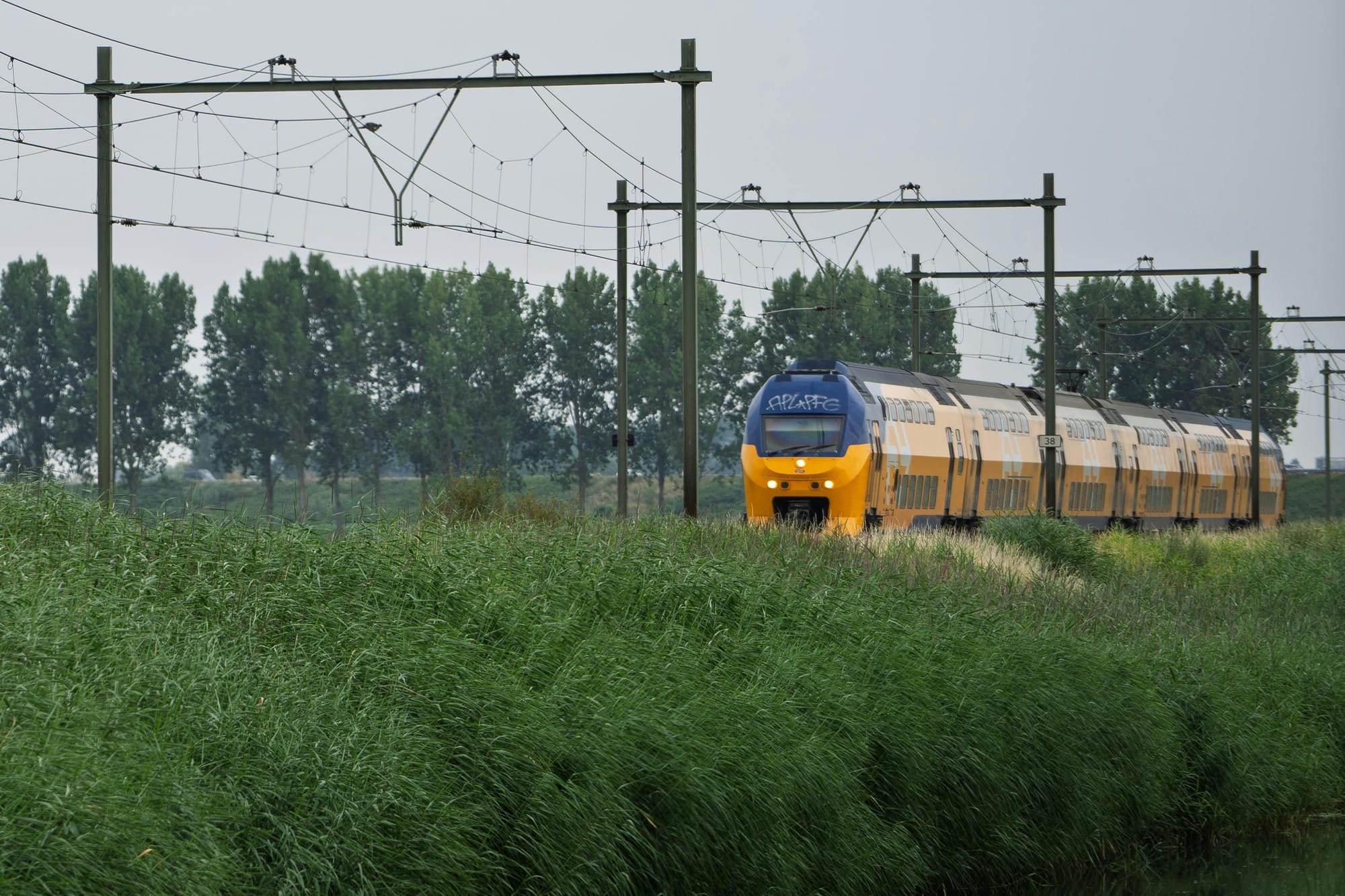
The Netherlands and Belgium signed a joint declaration in Antwerp on Wednesday to study a direct train connection between Eindhoven and Brussels. The agreement, signed by Dutch State Secretary Thierry Aartsen and Belgian Mobility Minister Jean-Luc Crucke, could lead to either new rail infrastructure or a new service using existing tracks.
Current connection inadequate
Aartsen has been vocal about the poor rail links between the two cities. In a parliamentary debate in January, he complained that travelling from ASML to Brussels meant being "underway for three and a half hours with about four transfers, if the train runs at all." In reality, the journey takes approximately two and a half hours with one transfer in Breda via the NMBS EuroCity service. An alternative route via Rotterdam and Eurostar is ten minutes faster but significantly more expensive.
The declaration should lead to more concrete agreements by summer, with provinces and rail operators also contributing to discussions. No funding has yet been allocated for any new connection.
Expert scepticism
Bert van Wee, Professor of Transport Policy at TU Delft, questions whether the benefits justify the investment. Building a new rail line would cost approximately €8 billion, he estimates. "Moreover, support for the plan could diminish on both sides of the border, for example due to a new cabinet," Van Wee noted.
Even if approved, implementation would take at least ten years for domestic rail projects. For cross-border connections, Van Wee warned it could take "several decades."
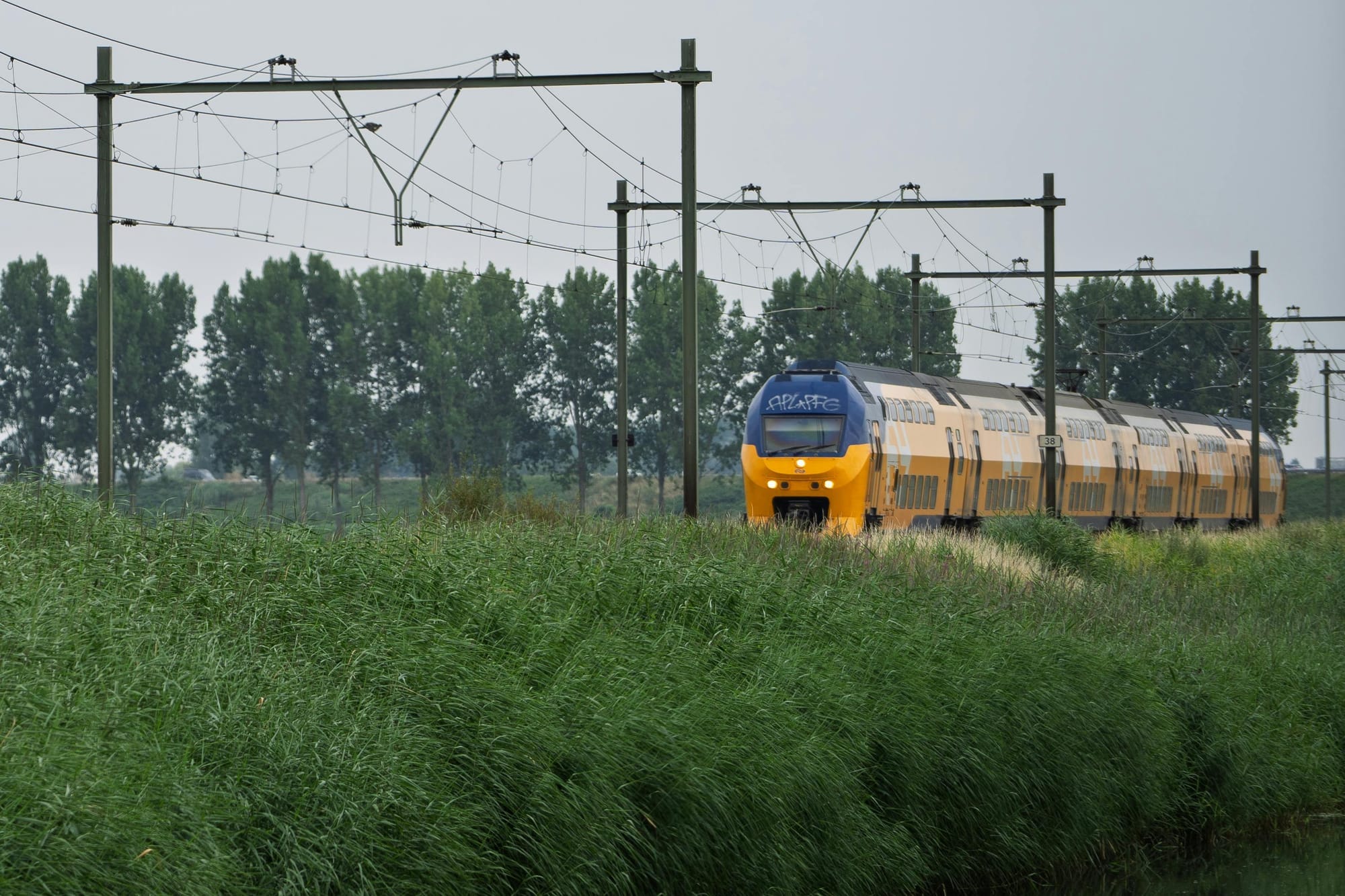
No direct rail line currently exists between Eindhoven and Brussels. Historical lines crossing the Belgian border between Breda and Maastricht have all been closed, with many former routes converted to cycle paths. Potential options include reopening the old line from Geldrop via Valkenswaard to Neerpelt in Belgium, or a service via Weert and Hamont.
Broader rail cooperation
The Eindhoven-Brussels study is part of a wider package of cross-border rail initiatives. The declaration also covers the 3RX connection, a modernised version of the historic IJzeren Rijn (Iron Rhine) freight line between Antwerp and Germany's Ruhr region via Limburg. The 3RX alternative would use largely existing tracks via Venlo, with targeted improvements including track doubling, electrification, and a new rail curve at Roermond. A 2016-2017 study estimated investment costs at approximately €770 million.
Additionally, both countries will examine improving the freight rail connection between Ghent and Terneuzen. The agreement also addresses increased capacity for cross-border military transport and rail network resilience.
Belgian Minister Crucke emphasised the need for renewed ambition: "Our cooperation with the Netherlands has always been constructive, but sometimes it lacked ambition. Today we want to breathe new life into it."
The responsible ministers will meet at least once annually to discuss rail matters, with a Belgian-Dutch working group convening every six months. A framework agreement with specific rail dossiers is expected to be signed this summer.