



Minors now dominate a specific type of violent theft
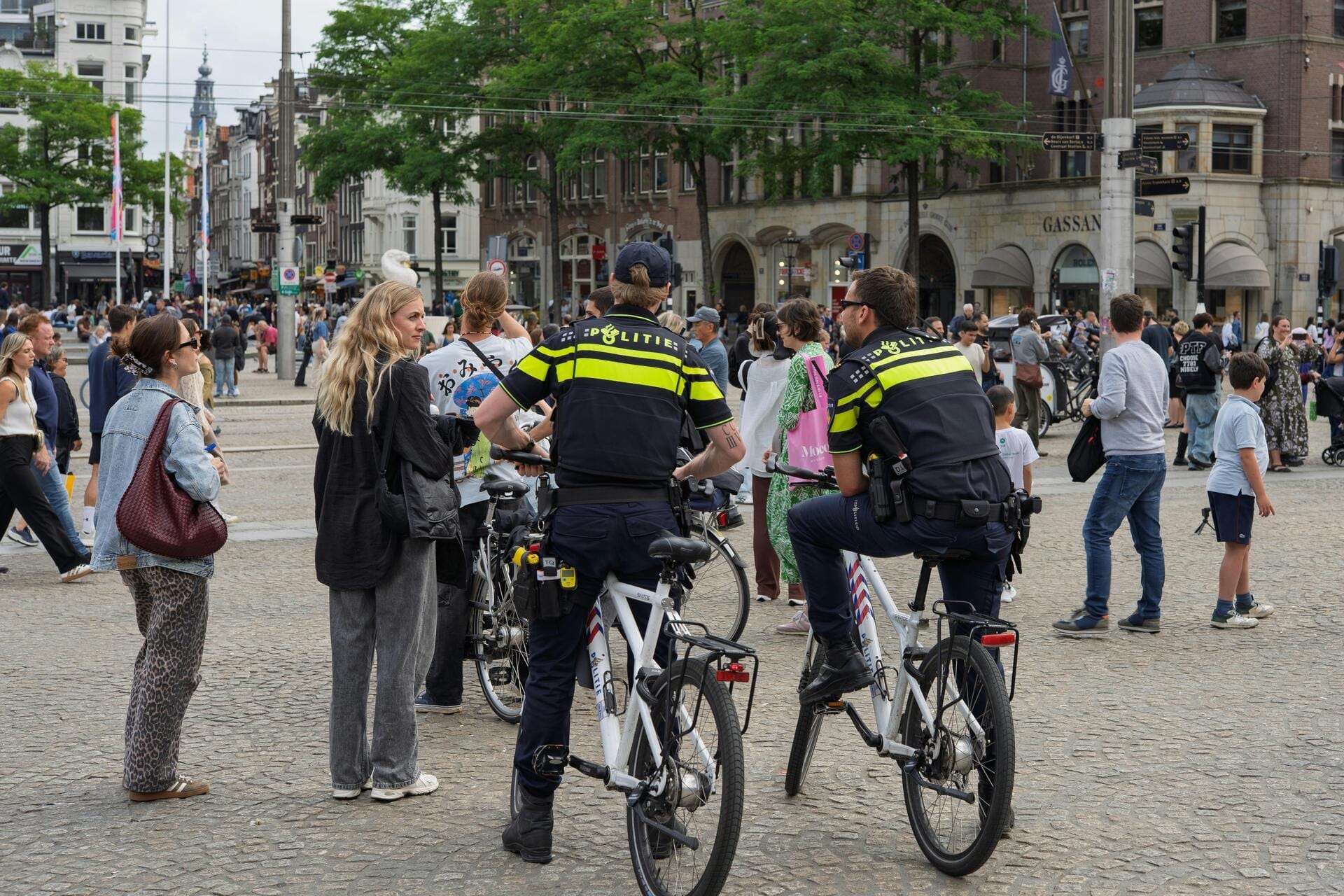
Dutch police say more than half of suspects in street robberies and other robberies are now under 18, a major change compared with ten years ago. In 2025, minors accounted for 55% of suspects in these crimes, up from 35% a decade earlier.
Police described the trend as worrying because these offences are high-impact for victims and often involve intimidation, threats, or violence. The figures were published as part of the police’s annual overview of crime in 2025.
1,457 minors suspected in 2025
Police recorded 1,457 minor suspects for street robbery and robbery in 2025. That is over 13% more than in 2024, and 24% more than in 2023, according to the national police figures.
It is important to read the number carefully: it refers to suspects, not proven offenders, and it relates to these specific crimes (street robbery and robbery), not youth crime overall.
Police say young offenders are moving faster to serious crimes
National police chief Janny Knol said police are seeing a change in how young people enter criminal behaviour. Instead of gradually “working their way up,” police say some teenagers are moving quickly into more serious offences such as street robbery and hold-ups, and shifting easily between offline and online crime.
That matters because the “pipeline” looks different: if young offenders start with serious crimes earlier, the harm to victims rises and the risk of repeat offending may increase.
What street robbery and “robbery” usually look like
In the Dutch context, street robbery often involves stealing from someone in public (commonly phones, bags, wallets, or watches)using threats or force. Robbery/hold-ups can include attacks on shops, delivery workers, or other targets where intimidation is used to take goods or money.
These crimes are sometimes quick and opportunistic, but police and local authorities have also warned in recent years about recruitment through social media and messaging apps, where young people can be encouraged to “do a job” for fast cash.
The wider crime picture stayed fairly stable, but youth share rose
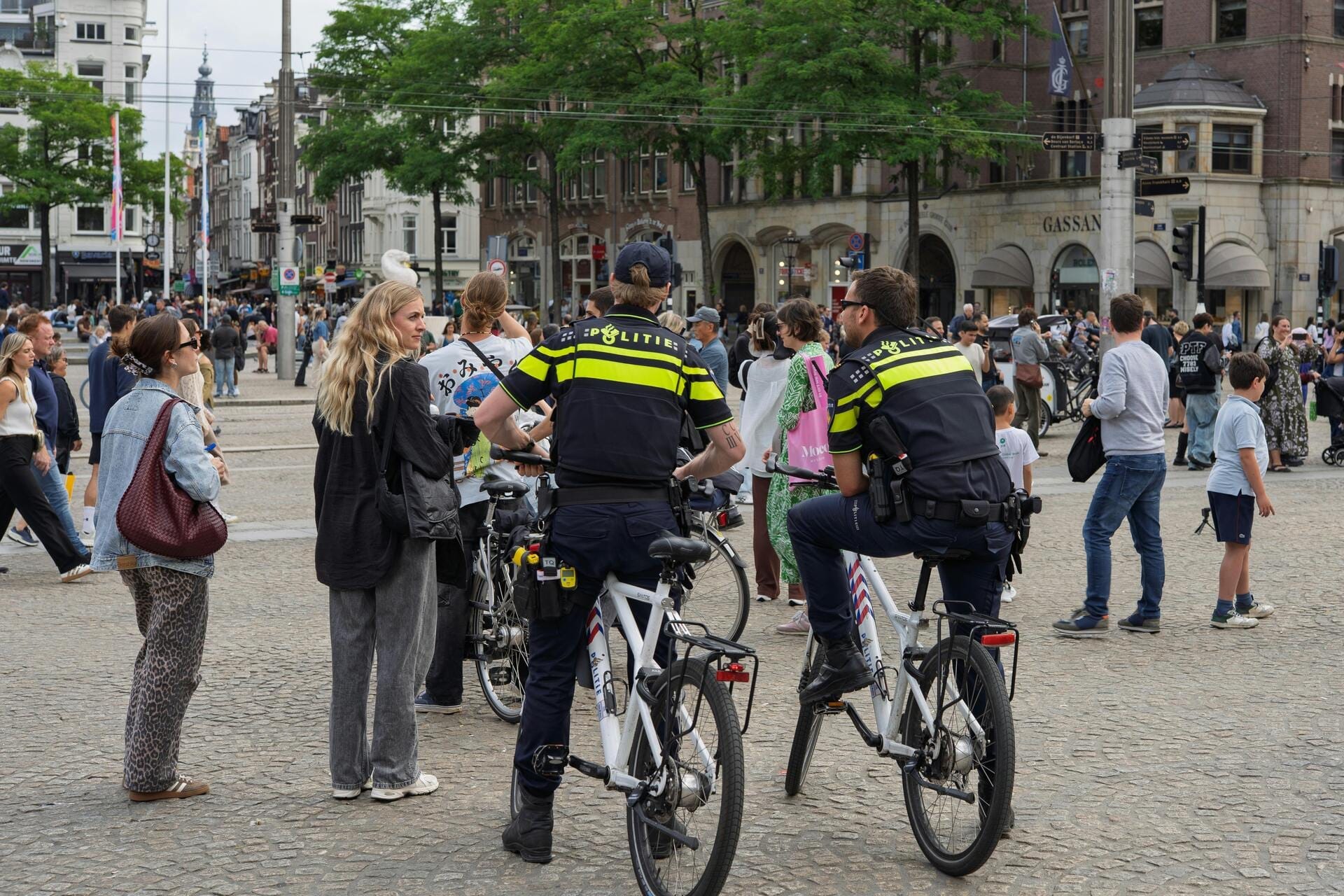
Overall, the police registered 800,974 crimes in 2025, which was only 0.6% higher than in 2024, so the total picture looks broadly stable.
At the same time, within all suspect groups, police said the share of minor suspects increased (they reported a rise of 5% in the minor share across suspect groups), and they also pointed to more cases involving minors being sent to the Public Prosecution Service.
This combination: stable totals but sharper changes inside certain categories is one reason police say headline crime totals can hide where the pressure is actually growing.
How this fits with longer-term trends on youth crime
National statistics show that youth offending overall has not been rising for a decade; in many areas it has fallen. For example, Statistics Netherlands (CBS) reported that the number of suspects has declined over the long term, and the relative number of minor suspects per population has dropped over ten years.
So why do both things seem true? Because the current concern is not “all youth crime is up.” The concern is more specific: a higher share of suspects in certain violent theft crimes is now under 18, and police say the offences themselves are becoming more serious or more direct.
What police say needs to change
Police leaders argue that crime is changing, with more hybrid patterns where online and offline behaviour connect. They point to a need for new approaches that go beyond traditional policing, including prevention and better tools to respond to newer forms of criminal behaviour.
In their annual update, police also warned that the “impact” of crime is not always visible in basic counts, especially when victims feel ashamed or see little chance of catching the offender.
What this could mean for daily life and local policy
When street robberies and hold-ups skew younger, municipalities and schools often face pressure to act earlier, before a teenager is pulled into a pattern of violence or intimidation. In practical terms, the debate usually turns to:
more visible policing in hotspots (shopping areas, transport hubs, nightlife zones)
faster follow-up on youth groups linked to repeated incidents
stronger prevention through schools, youth work, and family support
online monitoring and disruption, where recruitment or planning happens digitally
Police have not presented a single “silver bullet,” but their message is that prevention and enforcement need to move together, because the offences are serious and the suspects are increasingly young.