


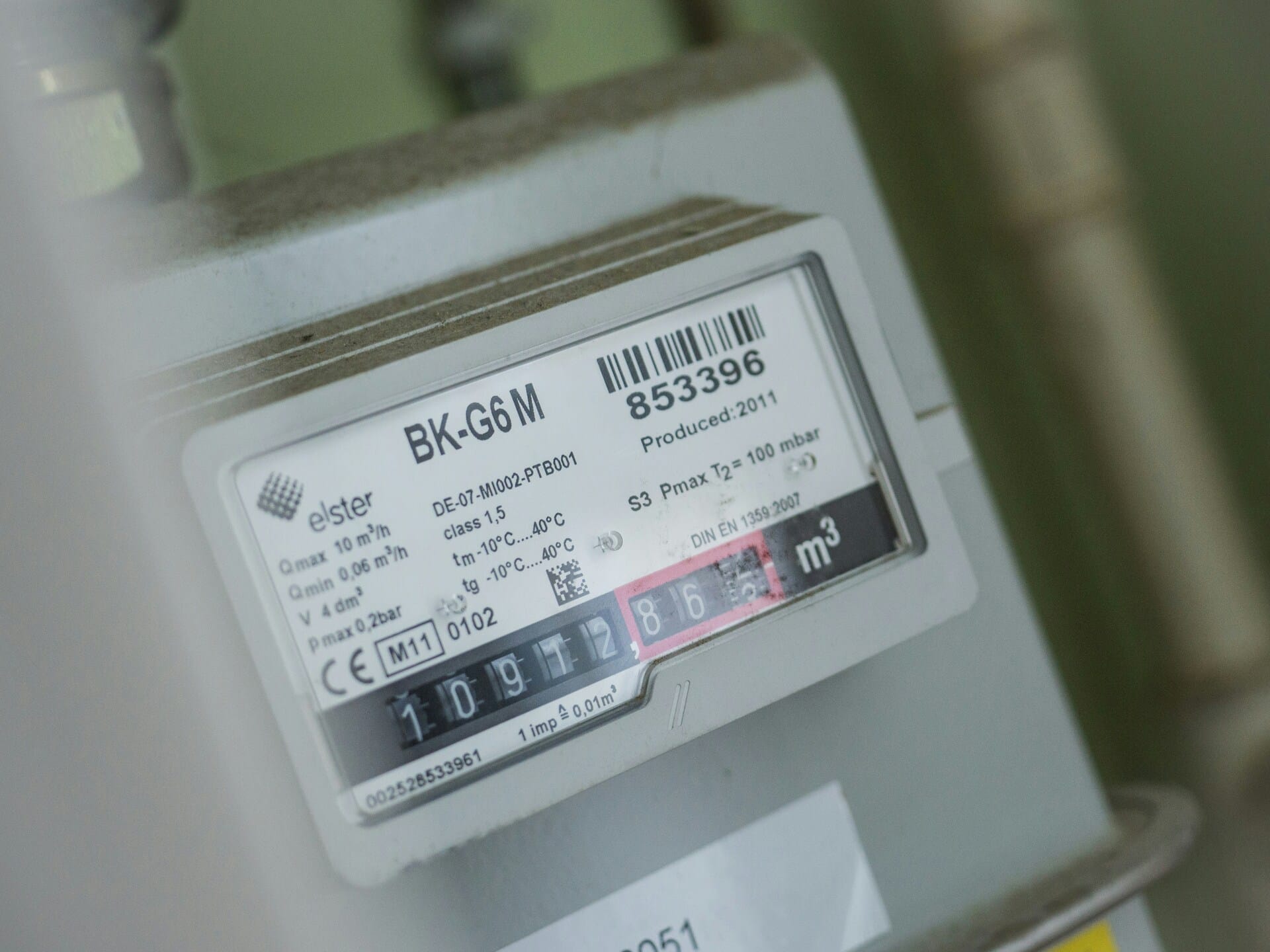
First-generation devices from 2012-2015 are becoming obsolete as the 2G network they rely on will be switched off, while the new Energy Act requires remaining analogue meters to be swapped out by 2030.
The Netherlands is facing a double smart meter challenge. While grid operators are only just beginning the mandatory replacement of the last 550,000 analogue meters under the new Energy Act that took effect on 1 January 2026, they must simultaneously replace approximately 2.5 million first-generation smart meters that are becoming obsolete.
The problem lies in the communication technology these early smart meters use. Installed between 2012 and 2020, many rely on GPRS connections via the 2G mobile network operated by KPN and Vodafone. Both providers plan to switch off this ageing network by 1 January 2029, rendering these meters unable to transmit readings automatically.
Why the first smart meters are failing
Smart meters were designed to last decades, but their communication modules have proven less durable. The GPRS technology dates from the 1990s and represents an outdated standard for mobile data transmission. Once the 2G network goes offline, affected meters will lose their "smart" functionality entirely.
"The technical lifespan of the first generation smart meters is coming to an end," Stedin, one of the country's major grid operators, explains on its website. "Moreover, these meters communicate via the GPRS signal which will cease to exist in the future."
Grid operator Liander alone has approximately 900,000 GPRS meters in its service area that need replacing before the 2029 deadline. To manage this operation, Liander has enlisted contractors including Heijmans, Energiewacht, Kemkens and BAM.
Consumers pay through network charges
While the replacement itself is free for households, the costs are ultimately passed on to consumers through their energy bills. Energy expert Ben Woldring of comparison site Gaslicht.com told NU.nl that the meter costs appearing on energy bills cover these expenses. "It's an enormous destruction of capital. We as consumers pay for it," he said.
The total cost of replacing 2.5 million meters runs into tens of millions of euros. In 2020 and 2021 alone, depreciation costs for smart meters at grid operator Alliander amounted to approximately 11 million euros.
New meters use 4G, but future-proofing remains uncertain
The replacement meters will use 4G networks, which grid operators describe as "future-proof." However, industry observers note that 4G networks may themselves become obsolete in ten to fifteen years, potentially requiring yet another mass replacement.
To address this recurring problem, Netbeheer Nederland (the association of grid operators) is developing a modular meter. This new generation would allow grid operators to replace only the communication module when networks change, rather than the entire device. The first practical tests with these modular meters were scheduled for 2026, with full rollout planned between 2027 and 2035.
Gas meters face similar issues
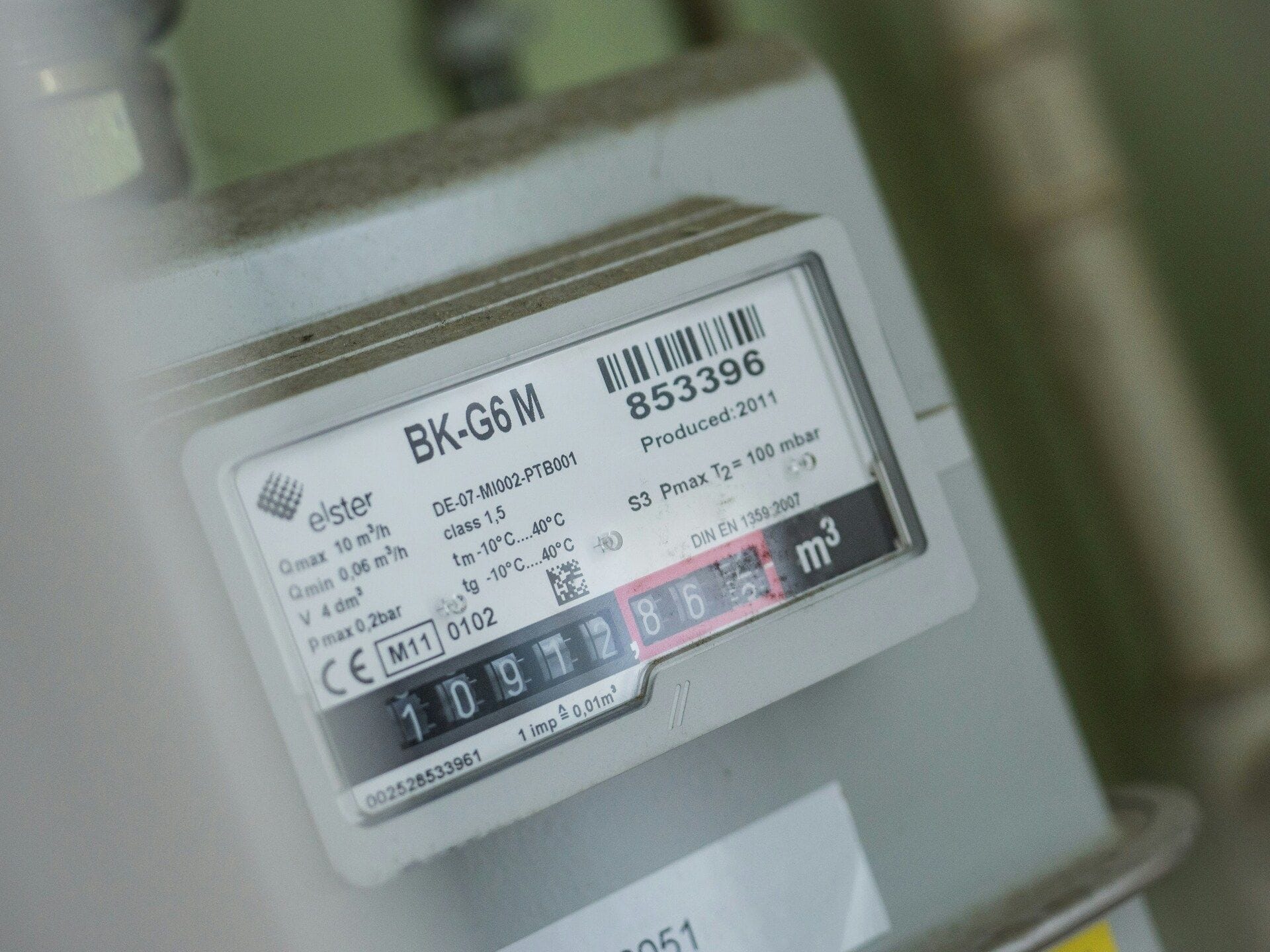
The problem extends beyond electricity meters. Many smart gas meters transmit their readings through the electricity meter, but first-generation gas meters cannot communicate with newer electricity meters. This means a significant number of gas meters will also need replacement, adding to the workload.
Liander director Anne Klaas Jellema of asset and product management told energy publication Energeia that the modular approach should prevent future wholesale replacements. "The most important difference with the previous generation of meters is that we're now taking a more modular approach, so different elements of the meter can be replaced independently of each other," he said.
Analogue meter holdouts face fines
Meanwhile, grid operators are simultaneously tackling the separate task of replacing approximately 550,000 remaining analogue meters, known as "draaischijfmeters" (rotating disc meters) or Ferraris meters. Under the new Energy Act, households can no longer refuse a digital or smart meter.
Many holdouts are solar panel owners who benefit from the old meters' inability to separately measure electricity fed back to the grid. The analogue meter simply runs backwards when excess solar power is generated, effectively providing unlimited net metering.
The Rijksinspectie Digitale Infrastructuur (RDI), the government watchdog overseeing the replacement programme, can impose administrative fines on persistent refusers. Grid operators aim to complete the replacement of all analogue meters by 2030.
Households can check whether their smart meter needs replacing by looking for "GPRS" printed on the device casing. Those with affected meters will receive letters from their grid operator with instructions for scheduling a free replacement appointment.