


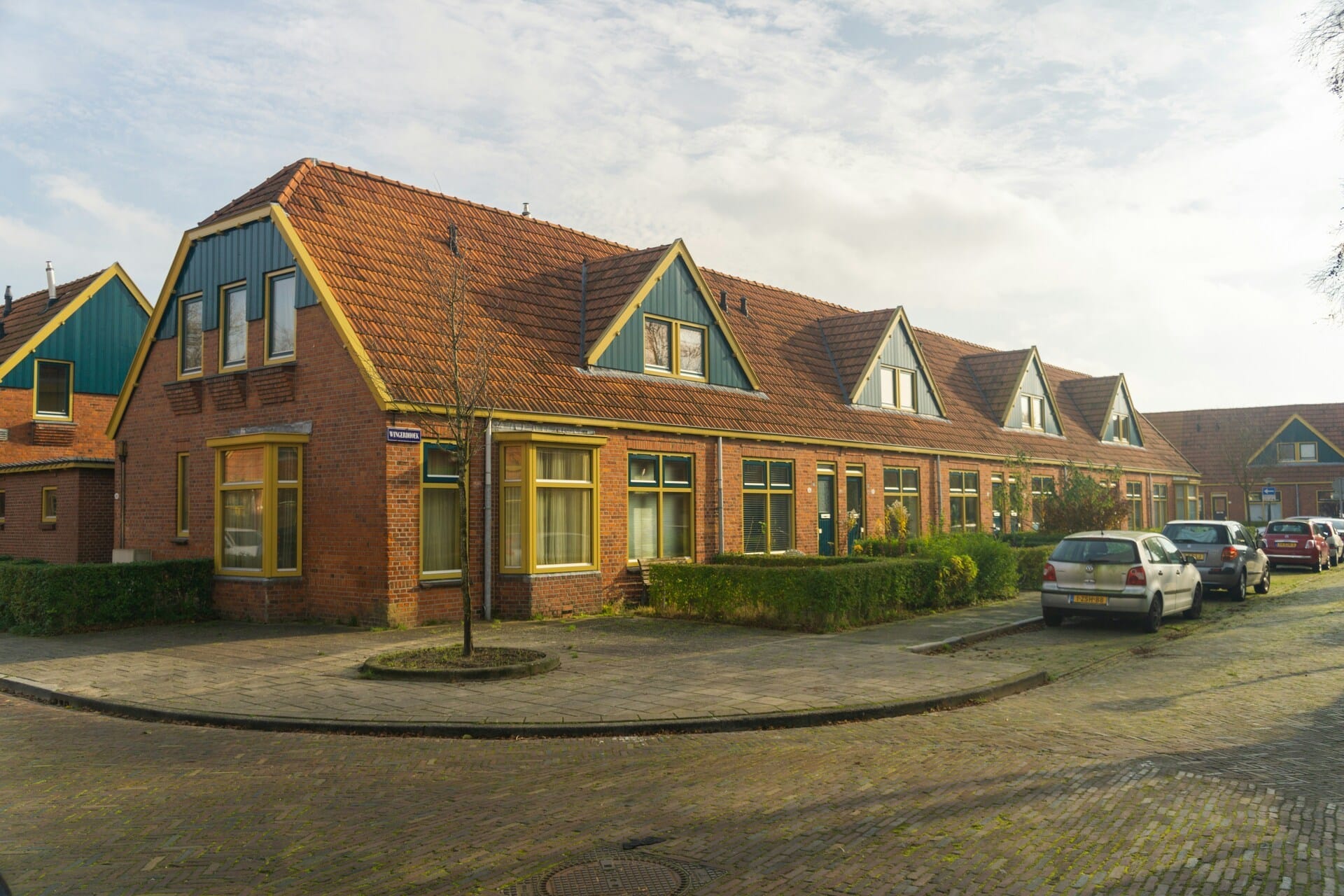

King Willem-Alexander visited the village of Zeerijp in Groningen on Monday to meet residents still living with the consequences of decades of gas extraction. Many have been waiting years for their homes to be repaired or reinforced, and the king said he would bring their stories back to The Hague.
"It's simply a blow to live in such uncertainty for fifteen years," the king said after speaking with affected residents. He called the situation "sad to see."
Zeerijp, a small village in the heart of the earthquake zone, was hit by a magnitude 3.4 earthquake in November 2025, the third strongest ever recorded in Groningen and the most powerful since 2019. The quake generated more than 2,100 damage reports within days, and nearly 60 people said they felt acutely unsafe in their homes.
A slow-moving crisis
The earthquakes in Groningen are caused by decades of gas extraction from the Groningen gas field, one of the largest in Europe. As gas was pumped out, the ground above the reservoir compacted and shifted, triggering tremors that have damaged tens of thousands of buildings since the 1990s.
More than 1,600 earthquakes have shaken the region, damaging some 85,000 buildings. A parliamentary inquiry in 2023 concluded that the interests of Groningen residents were systematically ignored by both the government and the oil companies, and that making money remained the dominant concern even after earthquakes began causing serious damage.
Gas extraction from the main Groningen field was finally halted in October 2023, but experts warned that earthquakes would continue for years afterward. The November 2025 quake confirmed those fears.
"The earthquake shattered the hope that stopping gas extraction would prevent serious earthquakes," said René Paas, the King's Commissioner for Groningen province.
Thousands still waiting
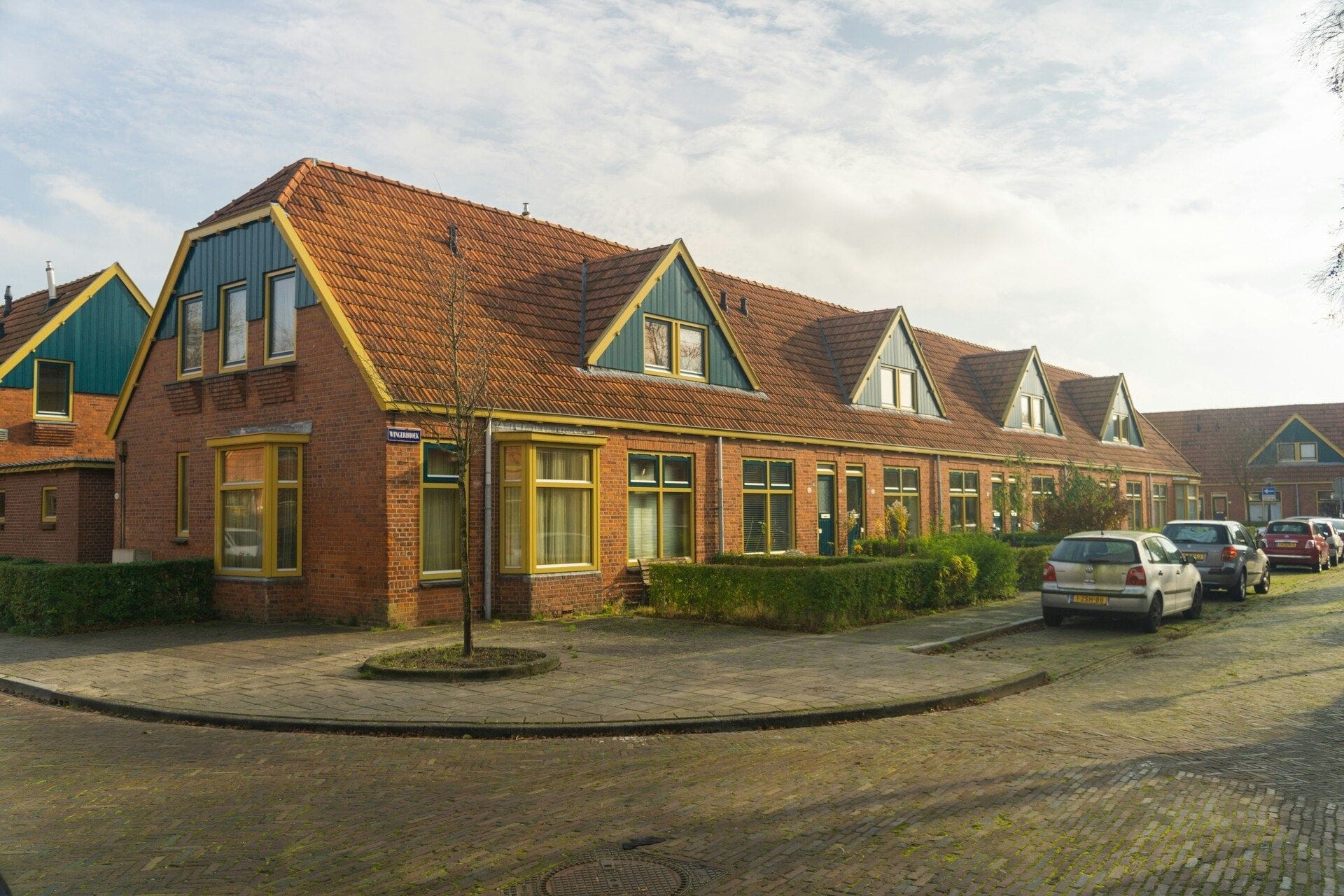
More than a decade ago, the government announced that around 28,000 homes in the earthquake area would need to be reinforced to make them safe. But the process has been painfully slow. Each home must be individually assessed to determine what work is needed, and every step can take months or years. Local municipalities decide when each house gets its turn.
As of this week, almost 9,000 households are still waiting for their homes to be addressed. The original deadline was 2028, but that has already been pushed back to 2032. Experts believe some residents will still be waiting in 2034.
The reinforcement programme has been plagued by bureaucratic complexity, shifting standards, and unclear responsibilities. Many residents have lost trust in the government after years of delays and broken promises.
The National Ombudsman, Reinier van Zutphen, joined the king on his visit to Zeerijp. He has called the situation a "national crisis" and urged the government to take responsibility.
"Restoration is also about being able to pick up your life again and having a future," Van Zutphen said. "Ask residents what they need to move on with their lives. Make sure they actually experience improvement, in both the short and long term."
A king who keeps returning
This is not the king's first visit to Groningen's earthquake zone. He has made multiple trips in recent years, saying he hopes his presence helps draw attention to the situation.
"I hope that through my presence, the rest of the Netherlands can hear what distressing cases there are and what it does to people," he said.
The king acknowledged the emotional toll on residents, many of whom have dealt with cracked walls, unsafe structures, and constant uncertainty about their homes' futures. Research has shown that the ongoing stress has caused significant mental and physical health problems in the region.
For many Groningers, the earthquakes have put their lives on hold. They cannot sell their homes because of diminished property values. They cannot plan renovations because they do not know when or if the government will reinforce their houses. Some have been temporarily relocated while work is done, only to face new damage from subsequent quakes.
The total cost of compensation and reinforcement is expected to exceed €22 billion, while roughly 450 billion cubic metres of gas remain in the ground, left unextracted after the decision to close the field.