


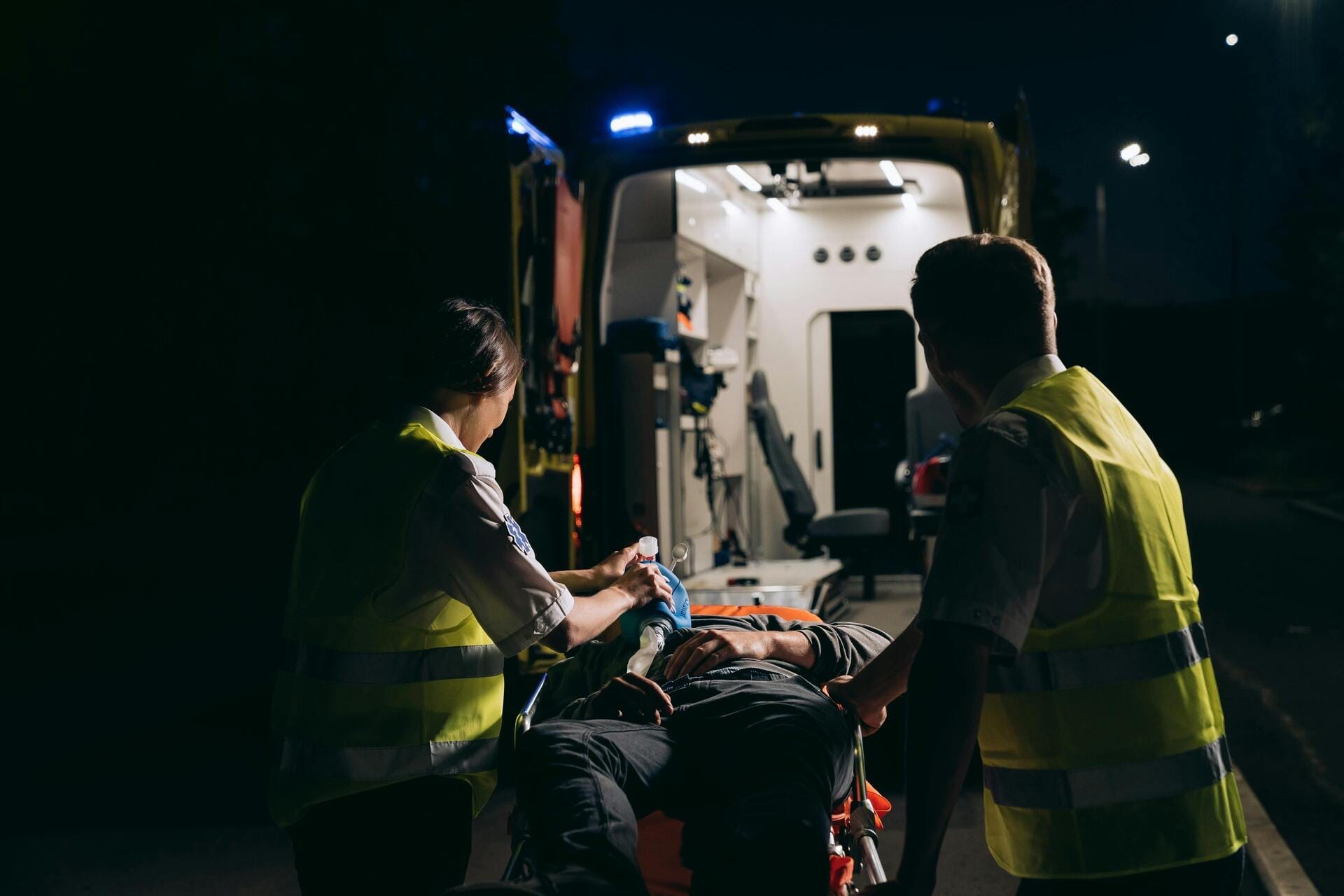
Emergency doctors across the Netherlands are bracing for what they warn will be an "exceptionally busy night" on New Year's Eve, as residents prepare to celebrate the final year they can legally use consumer fireworks before next year's nationwide ban takes effect. The Dutch Association of Emergency Physicians (NVSHA) is urging caution as fireworks retailers report record sales ahead of what many see as a "last hurrah."
Record sales drive injury concerns
Starting next year, many consumer fireworks will be banned nationwide, though the government is still finalising the details. In the meantime, fireworks retailers have reported booming sales, with bigger and more frequent orders than in past years.
The surge in sales has medical professionals deeply concerned. NVSHA chair Yara Basta hopes the upcoming fireworks ban will help lower the number of casualties. "Enforcing the ban is key to preventing serious accidents, but current capacity is insufficient".
Last year's toll
On last year's New Year's Eve, 1,162 people were treated for fireworks injuries at emergency departments or GP posts. More than a third of those with serious injuries were under 16. Rotterdam's specialist eye hospital treated 17 patients by 7:30 a.m., with around half being minors. One patient lost vision in one eye permanently.
Menno Gaakeer, an emergency doctor at Adrz hospital in Goes, said the hospital scales up staff on New Year's Eve, with ophthalmologists and plastic surgeons on call. "Almost half of the fireworks victims are bystanders, many of them children". During last year's celebrations, Adrz treated ten patients with hand, eye, and facial injuries, half of them minors.
Children particularly vulnerable
Doctors are once again especially worried about children under 16. "They can get their hands on heavy illegal fireworks without understanding the risks. We hope they enjoy the evening, but at the ED, we witness the lifelong harm these fireworks can cause".
Severe injuries, including eye damage and amputations, are often linked to heavier illegal fireworks, which can be easily purchased online or just across the border. The combination of legal consumer fireworks, which themselves can cause serious injuries, and easily accessible illegal heavy fireworks creates a particularly dangerous mix.
The fireworks ban context
The Dutch Senate approved a nationwide ban on consumer fireworks on July 1, 2025, set to take effect at New Year's Eve 2026. The ban was initiated by MPs Jesse Klaver of GroenLinks-PvdA and Esther Ouwehand of the Partij voor de Dieren.
However, State Secretary Thierry Aartsen (VVD) must still issue administrative orders and set conditions for organized firework shows before the law can be fully implemented. Aartsen has confirmed this regulatory work cannot be completed in time for the upcoming New Year's Eve, meaning 2025-2026 will be the final year for legal consumer fireworks.
Ouwehand called the Senate's approval "fantastic news for both animals and people. We fought hard for this, even since our party was founded over 20 years ago. Here's to a joyful New Year's celebration for everyone".
Public support mixed with enforcement concerns
Public opinion largely supports the ban, according to a survey by Ipsos I&O for Binnenlands Bestuur. Sixty-two percent of respondents view the ban positively or very positively, though 83 percent said it will only be effective if authorities enforce it rigorously.
This enforcement concern is well-founded. Local fireworks bans in 19 towns and cities have been widely ignored in recent years, with most police forces saying that stopping people from setting off their own fireworks is not a priority given limited resources.
Cities prepare extra measures
Amsterdam has designated parts of the city as safety risk areas for New Year's Eve, allowing police to conduct preventive searches to detect heavy and illegal fireworks. The decision follows several years of serious unrest, vandalism, arson, and attacks on emergency personnel using heavy fireworks.
The municipality is also organising professional fireworks shows in areas like Weesp and structured activities for young people, hoping to minimise dangerous consumer fireworks use by offering controlled alternatives.
What to expect Tuesday night
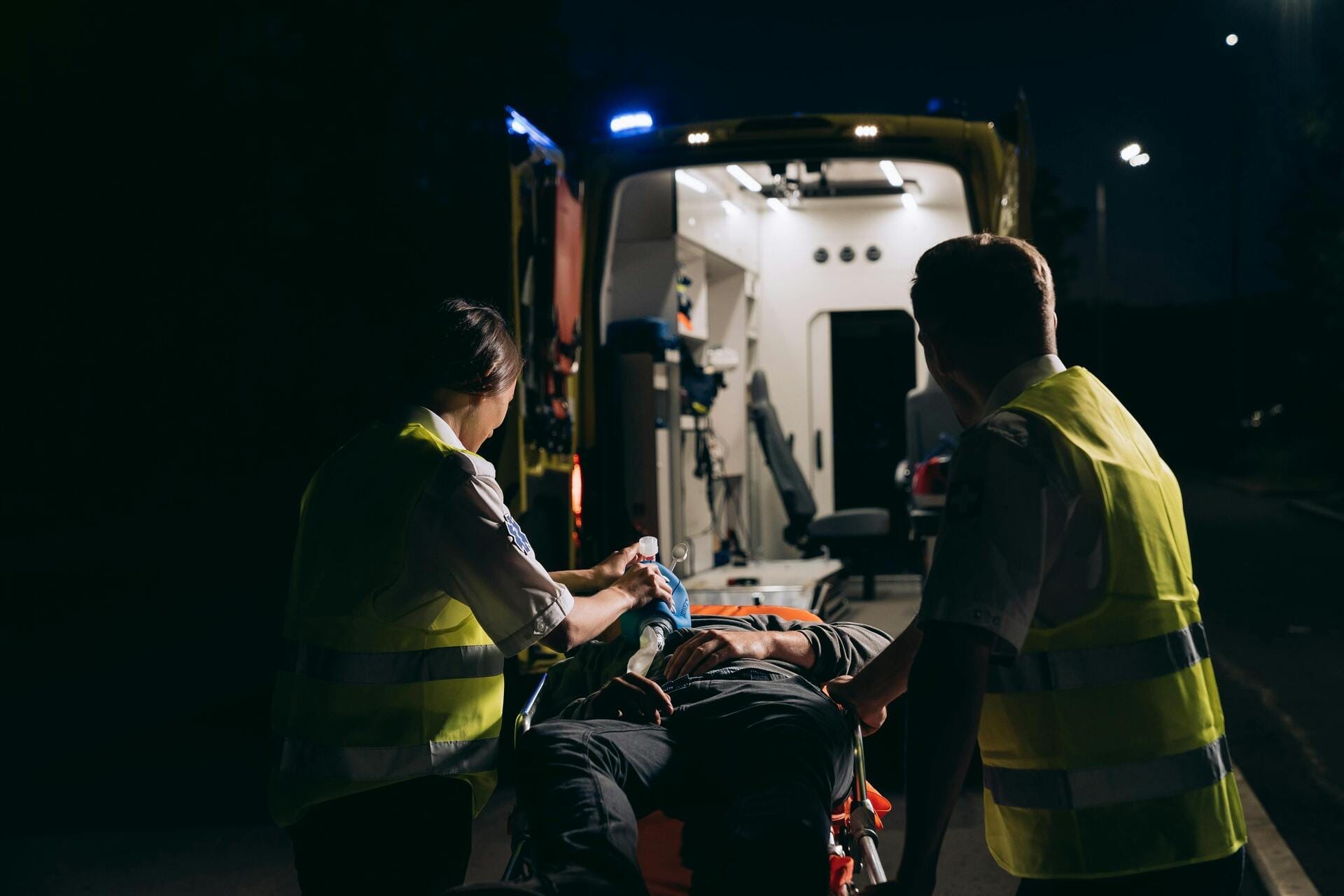
Emergency departments have scaled up staffing, with extra ophthalmologists, plastic surgeons, and burn specialists on call. Ambulance services are preparing for hundreds of callouts, while fire brigades expect to respond to numerous car fires and building fires throughout the night.
Police will be deployed in force, particularly in neighbourhoods with histories of unrest, though they acknowledge they cannot prevent all illegal fireworks use given the scale of the problem and limited enforcement capacity.
For residents, the message from medical professionals is clear: this may be the last legal New Year's Eve with consumer fireworks, but that doesn't justify taking unnecessary risks. The lifelong consequences of fireworks injuries: lost vision, amputated fingers, permanent scarring, far outweigh any momentary celebration.