


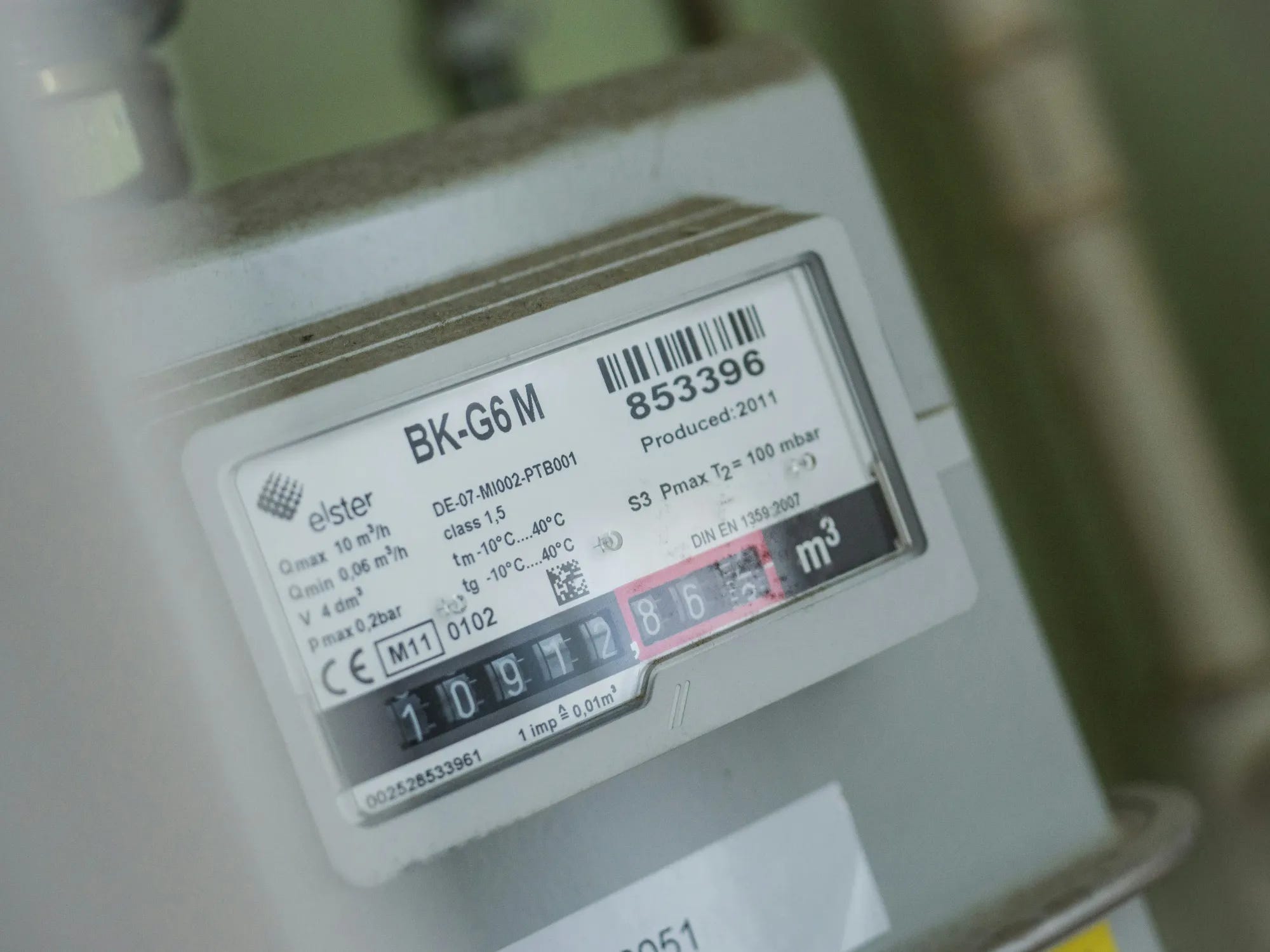
Statistics Netherlands calculates average annual energy bill at €1,993, down €52 from last year, as lower gas consumption and falling supply costs offset rising network fees and gas taxes.

Dutch households will spend slightly less on their energy bills this year, with the average annual cost for gas and electricity falling to €1,993, according to new calculations by Statistics Netherlands (CBS). The figure represents a saving of €52, or 2.5 percent, compared to 2025.
Why bills are lower
The reduction comes primarily from lower estimated gas consumption and decreased variable supply costs for both gas and electricity. International gas supplies have increased due to expanded liquefied natural gas (LNG) capacity from major exporters including the United States and Qatar, pushing down wholesale prices that feed through to consumer tariffs.
CBS based its calculations on energy prices recorded in January 2026. The statistics agency notes that while the energy tax on gas increased compared to last year, this was more than offset by falling supply costs and reduced consumption.
The trend continues the gradual easing of energy costs since the price spike that followed Russia's invasion of Ukraine in 2022. Earlier ING Research forecasts had predicted a roughly 4 percent reduction for 2026, suggesting households with average consumption could save several tens of euros over the year.
Wide variation between households
Energy bills vary considerably depending on circumstances. Consumption patterns are determined by heating habits, insulation quality and the number of residents. A household in a predominantly electrically heated home spends an average of €1,020 per year, while a multi-person household in a detached house heated primarily by gas pays an average of €3,370 annually.
Households that have eliminated gas use entirely, for example by switching to heat pumps or all-electric heating, are seeing even greater savings. ING estimated their energy bills could fall by as much as 9 percent in 2026.
Changes to taxes and network costs
The overall picture masks some countervailing movements in the components that make up energy bills. The government has adjusted energy taxes as part of its climate policy to encourage households to move away from natural gas.
The energy tax on electricity fell from €0.1228 to €0.1105 per kilowatt-hour, a reduction of roughly 10 percent. Meanwhile, the tax on gas rose from €0.6996 to €0.7267 per cubic metre, an increase of about 4 percent. For a household with average consumption, these changes roughly cancel each other out.
Network tariffs have also increased. The consumer authority ACM approved a 3.4 percent rise in grid fees for 2026, adding approximately €25 per year to household bills. These costs are rising because network operators must invest heavily in expanding and upgrading infrastructure to cope with growing electricity demand from heat pumps, electric vehicles and other new loads. Meanwhile, as fewer households use gas, the costs of maintaining the gas network are spread across a smaller customer base.
The fixed reduction in energy tax, a rebate applied to all household energy bills, decreased slightly from €635.19 to €628.96, adding another €6 to annual costs regardless of consumption.
Affordability improving
Despite the complexity of these changes, energy affordability is improving. In 2025, an average Dutch household spent approximately 4.4 percent of its disposable income on energy. That share is expected to fall to around 4.1 percent in 2026. While this remains higher than pre-energy crisis levels, it represents continued relief after several years of sharp price increases.
Solar panel owners face 2027 shock
The good news on energy costs comes with a significant caveat for the roughly three million Dutch households with solar panels. From 1 January 2027, the net metering scheme (salderingsregeling) will be abolished entirely.
Under the current system, households can offset electricity they generate and feed back into the grid against their consumption. During sunny summer months, they build up credits that cover their winter usage. This arrangement has made solar panels highly attractive financially.
From 2027, this will no longer be possible. Instead, households will pay for all electricity they consume from the grid at full price, including energy taxes, while receiving only a feed-in tariff for electricity they export. That tariff must be at least 50 percent of the basic supply rate until 2030, but this is far less valuable than full offsetting.
According to ANP reporting citing price comparison site Independer, households with solar panels will pay between €180 and €470 more annually from 2027. Separate Independer research published in November 2025, based on CBS and RVO data, found the national average loss from ending net metering to be €227 per year, with significant regional variation depending on housing type and panel capacity.. Some analyses suggest costs could rise by €700 to €1,000 per year for households with large installations that export significant amounts of electricity.
The government has defended ending net metering on several grounds. The scheme was introduced to stimulate solar panel adoption, but panels have since become much cheaper and more efficient. Net metering costs energy companies money, which they pass on through higher prices to all customers, including those without panels. The scheme also provides no incentive for solar panel owners to use their own electricity rather than exporting it, contributing to grid congestion on sunny days.
Research suggests the payback period for new solar panel installations will roughly double from about 9 years with net metering to around 17 years without it, assuming current consumption patterns. However, households that increase their self-consumption of generated electricity, for example by running appliances during daylight hours or installing home batteries, can significantly reduce this impact.
Outlook
For 2026, most households can expect modest savings on their energy bills, particularly those with variable contracts or signing new deals. The picture becomes more complicated from 2027, when the end of net metering will create clear winners and losers depending on whether households have solar panels and how they use their electricity.
Energy experts continue to advise energy-saving measures regardless of price movements, noting that reducing consumption remains the most reliable way to cut costs over the long term.