


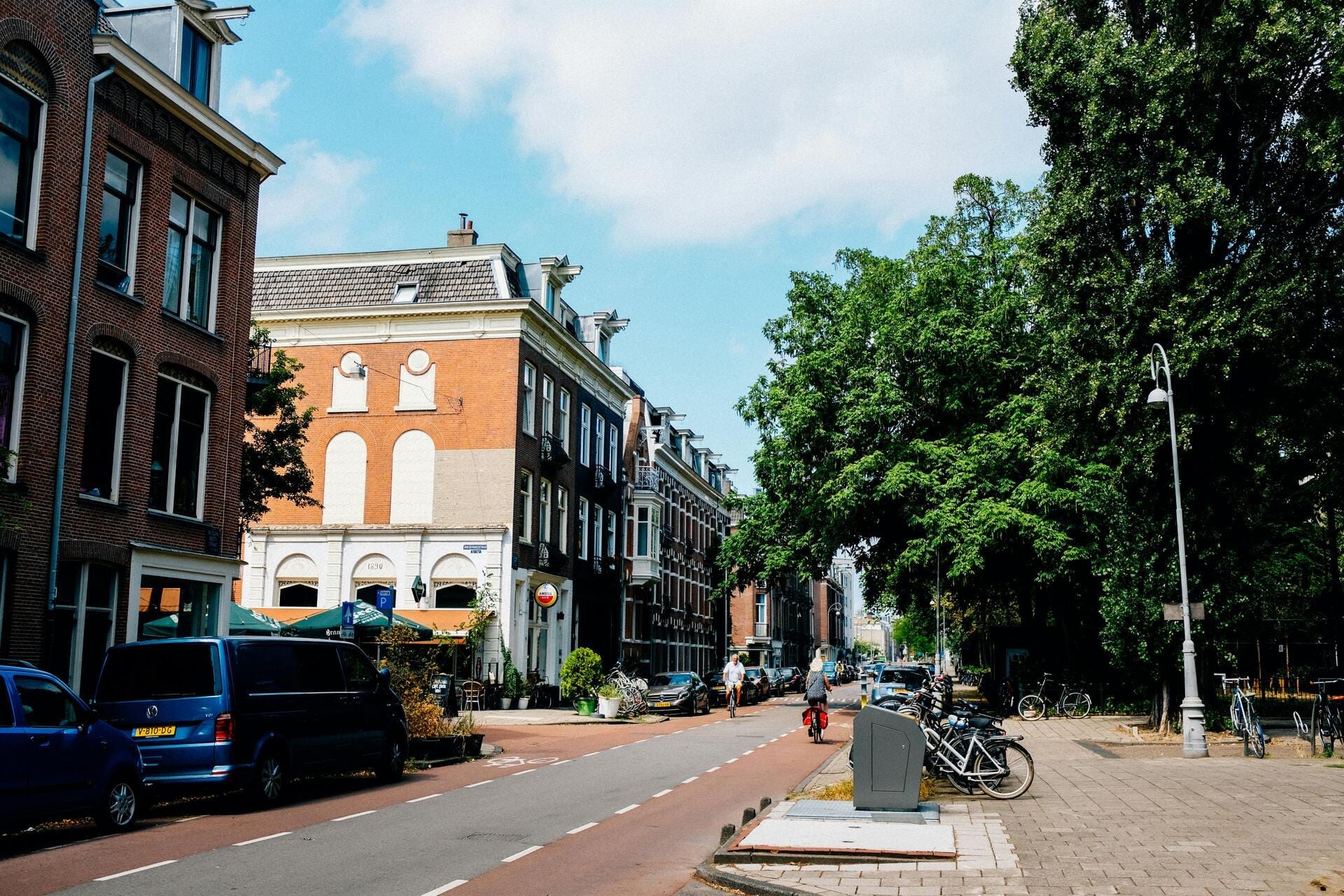
The Dutch National Institute for Public Health and the Environment (RIVM) has updated its practical guidelines for designing healthier public spaces, including a striking recommendation: every home should have greenery within sight, for example, a view of trees, a garden, or green facades.
These updated “rules of thumb” are aimed mainly at municipalities, urban planners, and policymakers. The message is simple: the way neighbourhoods are built can influence how much people move, how safe they feel outside, and how often they meet others. All of these factors are linked to public health.
The core idea, design public space to support health
RIVM’s document focuses on making everyday choices easier: walking instead of driving, spending time outdoors, and having spaces where neighbours can meet. It frames public space as a tool for health prevention, not just infrastructure.
Rather than strict legal standards, these are planning guidelines: meant to help cities and towns make better design decisions when building new neighbourhoods or renovating existing ones.
A tree visible from every home, what that actually means
The “tree visible from every home” idea is about ensuring residents have a view of some form of green space from where they live. RIVM notes this can be achieved in different ways: trees, a garden, or even greenery on buildings such as green facades.
This recommendation connects to broader urban-greening thinking often summarised as the “3-30-300” approach (visibility of trees, neighbourhood canopy, and nearby access to parks). RIVM explicitly mentions that the visible green space could include “three trees” as part of that concept.
Green space nearby and a place for children to play
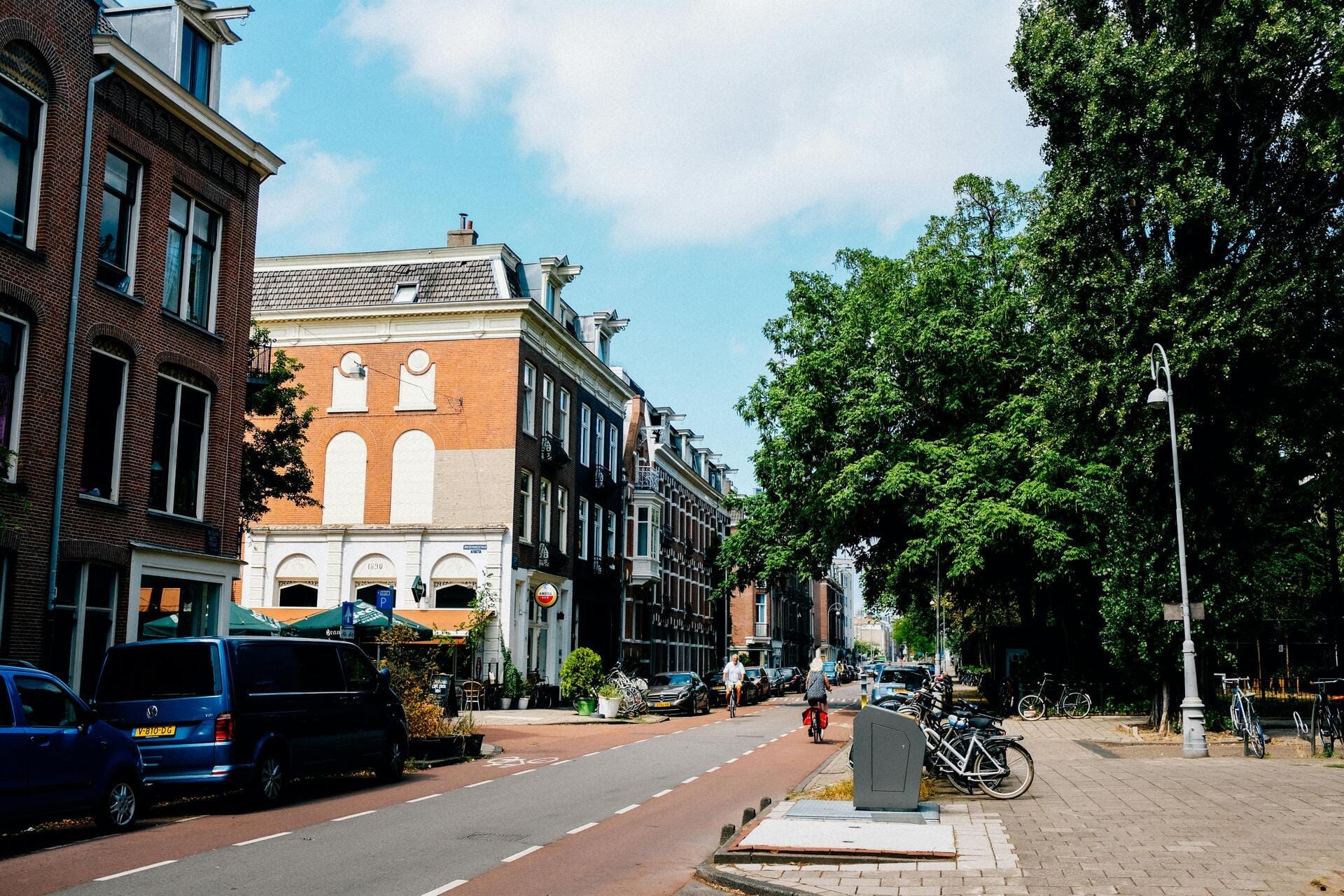
Another practical recommendation highlighted in the update is that every home should have a play area for children within a few hundred metres, helping make active outdoor time more realistic for families.
RIVM’s wider set of rules also includes encouraging movement by ensuring neighbourhoods support walking, cycling, and informal exercise. One example: aiming for at least 25% of public space in a neighbourhood to be arranged in a way that supports physical activity such as walking, cycling, sports, and play.
Wider pavements and space to meet others
RIVM also focuses on social contact. One of the “rules of thumb” is to make pavements broader, so people can stop and talk without blocking others. The idea is that small design choices, like sidewalk width, can affect whether a neighbourhood feels friendly and comfortable, especially for older residents and people with mobility limitations.
This is part of a broader push to design streets not only for traffic flow, but also for everyday life: walking to the shop, meeting neighbours, and feeling safe outside.
Why RIVM is updating these guidelines now
The update comes at a time when Dutch cities face multiple pressures at once: housing shortages, denser neighbourhoods, and growing concern about the health impact of sedentary lifestyles and stress. RIVM’s guidance is essentially a reminder that “building more homes” should not mean sacrificing liveability, and that greenery and public space are not luxuries, but part of a healthy neighbourhood.
What this could mean for municipalities
Because these are guidelines rather than binding rules, the immediate impact depends on whether municipalities and developers adopt them in planning processes. But they can still matter in practice: such “rules of thumb” often influence design standards, local policy targets, and how cities evaluate new building plans.
In short, RIVM is pushing a clear planning principle: healthy neighbourhoods are not only about homes and roads, but also about daily access to green space, room to move, and places to meet.