


The cost of renting in the Netherlands will rise by between 4 and 6 percent next year after the Dutch government announced the maximum rent increases for 2026. The increases vary by housing sector, with social housing tenants facing a 4.1% cap, mid-range renters up to 6.1%, and private sector tenants 4.4%.
Different Rules for Different Sectors
Every year, the government determines the maximum rent increase for the following year based on inflation or collective labour agreement wage increases. The Ministry of Housing and Spatial Planning calculates different increases for social housing, mid-range rental housing, and private sector housing.
Social housing (up to €879.66 monthly rent): Rents can increase by up to 4.1% starting July 1, 2026. This was calculated using the average inflation rate over the last three years (3.6%) plus 0.5%. The increase will remain in effect until July 1, 2027. This is slightly smaller than the 5% allowed between July 2025 and July 2026.
Mid-range rental sector (€879.66 to roughly €1,158): The maximum increase is 6.1%, calculated based on collective bargaining agreement wages plus 1%. This mid-range category was only created in July 2024 as part of new rental legislation.
Private sector (above €1,158 monthly rent): Increases are calculated based on either the inflation rate or collective bargaining agreements (whichever is lower), plus 1%. Because inflation in 2025 was lower than wage increases, private sector rents can rise by 4.4% starting January 1, 2026.
Maximum Doesn't Mean Mandatory
It's important to understand that these percentages are maximum increases and landlords aren't required to raise rents by these full amounts. They can propose smaller increases or even keep rents the same. This depends on individual rental agreements, which may stipulate lower annual increases or different terms.
However, as Dutch newspaper De Volkskrant reported earlier this year, landlords and housing associations tend to use the maximum allowable increase. Figures from Statistics Netherlands (CBS) show that since July 1, 2025, housing associations increased rents by an average of 5.1%: even slightly above the 5% maximum officially allowed, suggesting some landlords are also using income-related increases where permitted.
Student Housing Affected Too
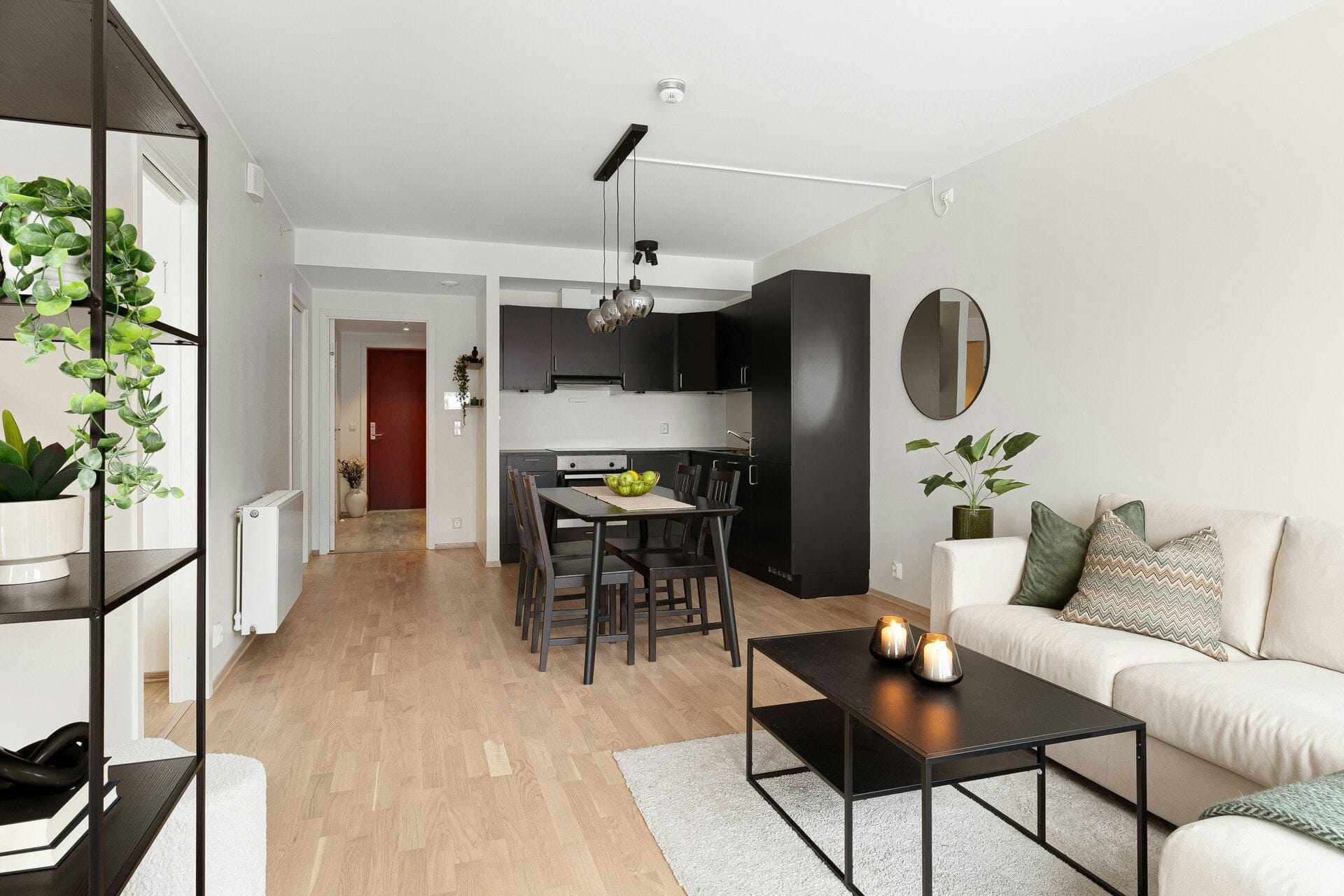
Rents for student housing will rise just like other rentals, the government announced. Students living in social housing face a maximum 4.1% increase, while those in private mid-range rental units could see increases up to 6.1%.
There is one piece of good news for young people: starting in 2026, those aged 21-22 will be eligible for housing allowance on higher rents. Previously, people under 23 were subject to reduced youth income thresholds, meaning they could only receive the allowance on rents up to €477. From next year, 21-22 year-olds will be subject to the standard threshold of €932.93.
Rising Housing Costs
The 2026 rent increases continue a trend of steadily rising housing costs in the Netherlands. In 2024, the maximum increase was 5.5% (4.5% inflation plus 1%). In 2023, it was 4.1% (3.1% wage development plus 1%).
The government has tried to moderate increases by linking them to inflation averages rather than year-to-year spikes, providing more predictability. From 2026 onward, social housing rent increases will be tied to a three-year inflation average rather than single-year figures. This is meant to provide more stability for tenants and housing corporations during uncertain economic times.
Still, the cumulative effect of these annual increases means rents have risen substantially over recent years, putting pressure on affordability in a country already facing a severe housing shortage.
Landlords Still Have Some Flexibility
For social housing, landlords can sometimes apply higher rent increases related to tenant income. This means households with higher incomes may see increases exceeding the 4.1% maximum, potentially up to €50 for upper-middle incomes or €100 for high incomes.
In the private sector, some rental agreements contain modification clauses allowing for different increase formulas. However, recent court rulings have limited these clauses, with the Supreme Court ruling that increases of "CPI plus 3%" violate EU consumer protection directives. Even high-end housing with such clauses will be limited to the 4.4% maximum in 2026.
What This Means for Renters
The rent increases will take effect at different times depending on your rental sector:
Social housing and mid-range: Increases typically begin July 1, 2026
Private sector: Increases can start January 1, 2026
If you're already receiving rent allowance, you'll receive a letter in December outlining your payments for 2026. If you think you'll become newly eligible for rent allowance under the expanded 2026 rules (which remove the maximum rent cap for eligibility), you can apply online via toeslagen.nl.
The Dutch government has created a calculator on its website where you can check how much housing benefit you could receive in 2026 based on your specific situation.