


A new MBO route into the drone industry
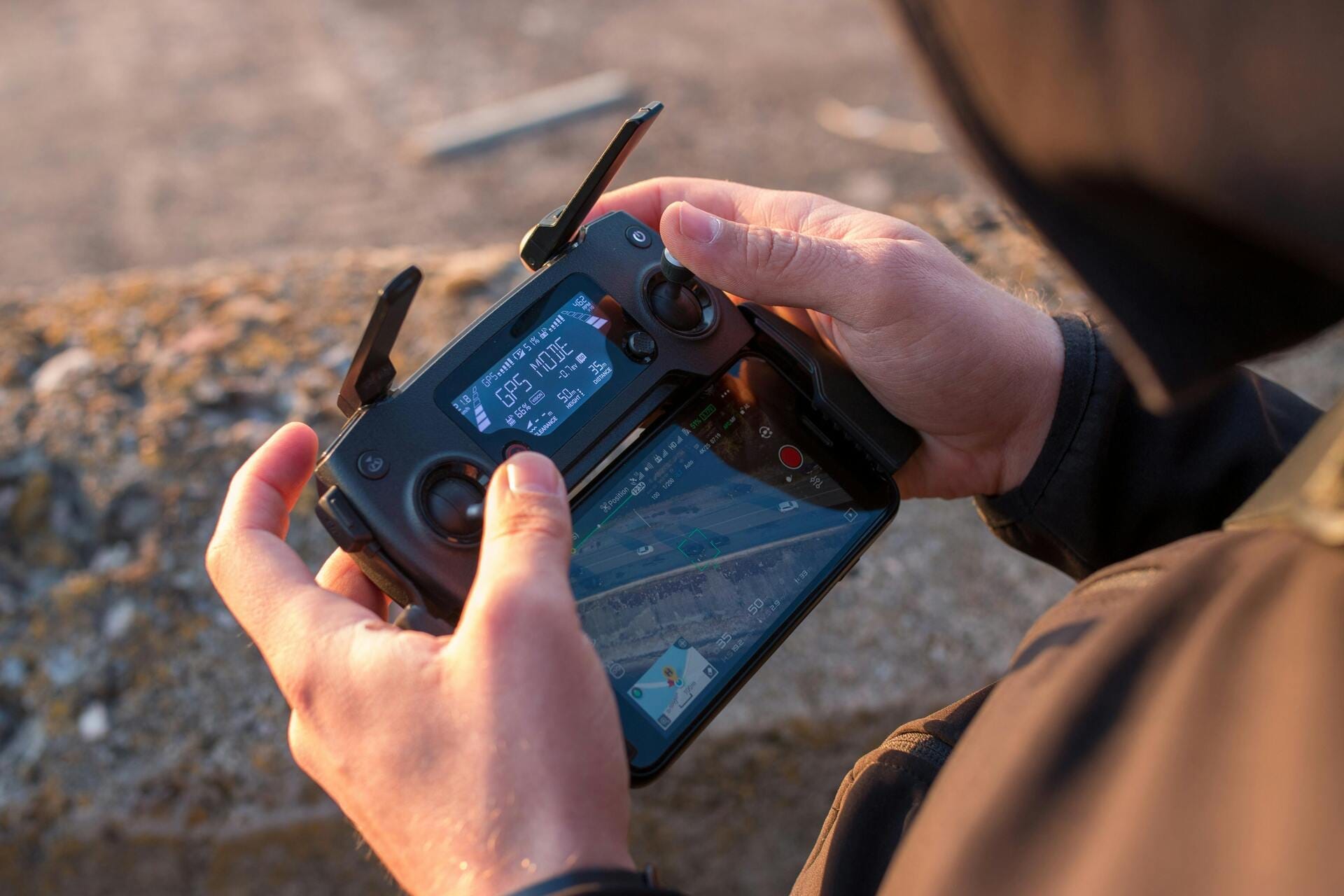
Eight vocational colleges in the Netherlands are preparing to launch a three-year MBO level 4 programme focused on professional drone operations, with the first students expected to start in September 2026. The goal is to train a new group of specialists who can plan, fly, and manage drone missions safely and legally, and who can handle the data drones collect for clients.
The course is being introduced as drones become more common in everyday work, from inspecting infrastructure and supporting emergency services to new forms of transport and industrial monitoring.
What students will learn
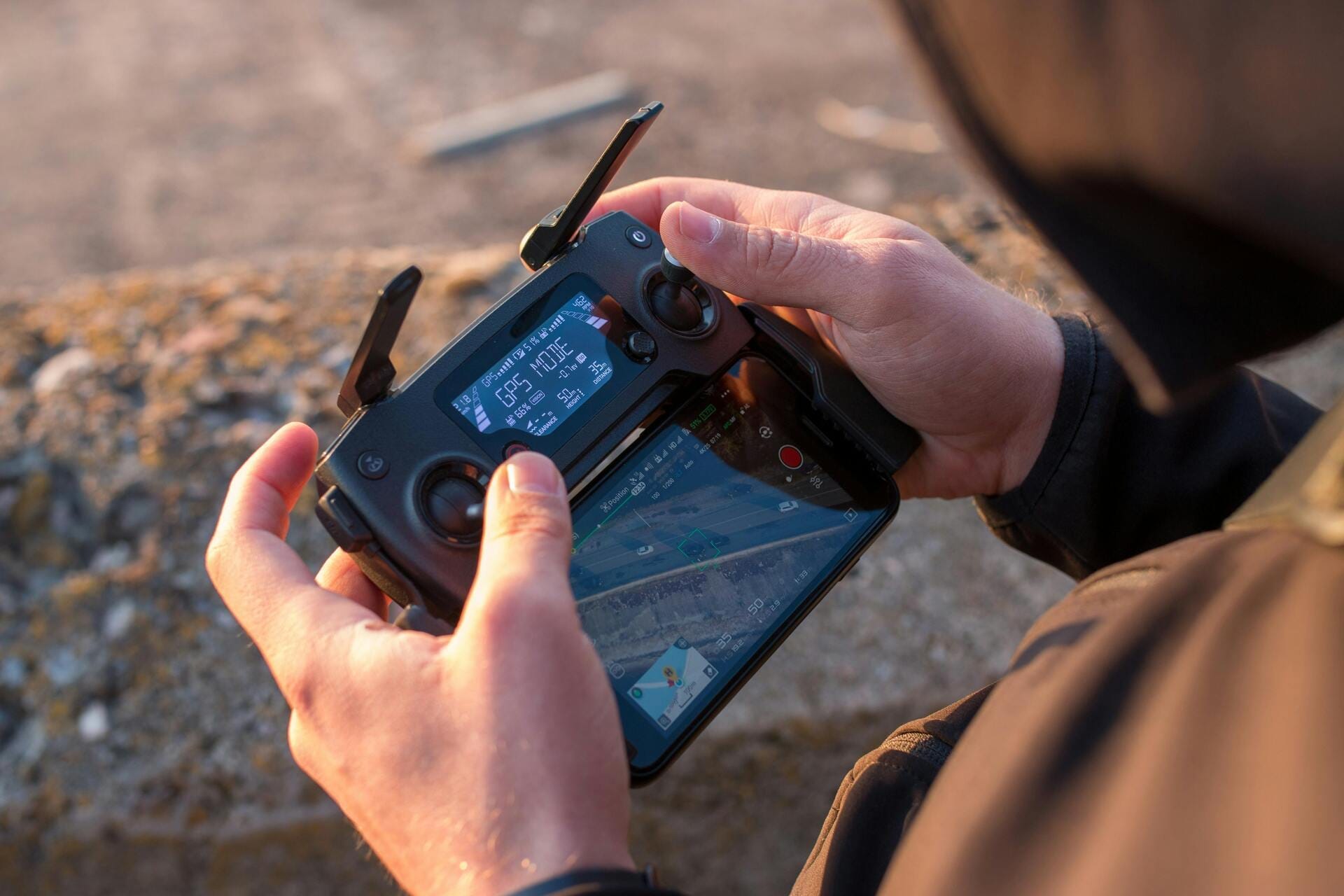
The new programme is not only about “learning to fly.” Multiple schools describe the job as a full operational role: understanding a client request, turning it into a flight plan, carrying out the mission safely, and then processing and presenting the results.
Depending on the school and specialisation, the curriculum commonly includes:
Flight preparation and risk planning (what you fly, where, when, and why)
European drone rules and categories, including work beyond basic hobby use
Safety and communication, including working in teams and using radio procedures where required
Technical knowledge such as maintenance, fault finding, and understanding drone systems
Data processing and analysis, because many drone jobs are really “data jobs” (images, video, mapping, measurements)
Several colleges also describe training scenarios across different environments, such as flights over land and water, and practical projects with real world assignments.
Why the Netherlands is investing in this now
Dutch education providers and industry partners point to a simple reason: demand is rising, but the work is becoming more regulated and more specialised.
Drones are moving from “nice to have” tools to routine equipment in sectors like logistics, transport, industry, infrastructure inspection, safety, and public services. The NLR (Netherlands Aerospace Centre) and MBO college Firda, for example, say the programme is designed for a future where drones play a prominent role for companies and government bodies, including emergency services and Defence-linked work.
At the same time, the legal environment is stricter than many people realise. Even basic drone flying often requires registration and certificates, and professional operations can involve higher requirements depending on the risk level and location. The RDW explains that drone pilots may need a licence depending on weight and category, and that Dutch processes are tied to EU rules.
The practical effect: employers increasingly want people who can do the job legally, safely, and professionally, rather than hobby pilots learning on the fly.
The job market these courses are targeting
The colleges and partners promoting the training often highlight the same cluster of use cases:
Inspection and maintenance: roofs, solar panels, bridges, rail corridors, wind turbines, industrial sites
Security and crowd monitoring: events, ports, large sites, and public spaces
Mapping and measurement: land surveying, construction progress tracking, agriculture
Logistics and transport experiments: where regulation and safety planning are central
Public sector operations: support roles for police, fire services, or medical logistics where drones are used for observation or rapid assessment
A key point is that many of these jobs are moving toward “drone operations as a system,” including fleet management software, maintenance routines, and structured reporting for clients: skills that are hard to build through short hobby courses alone.
Examples of schools already publishing programme details
Some Dutch MBO schools have already put detailed pages online describing what their “Drone Operations Specialist” training includes.
ROC van Amsterdam describes learning how to translate a client question into a flight, carry it out safely, and process and present the collected data.
Deltion College highlights flying under European rules across categories, practising in different environments, and focusing on drone tech, image processing, data analysis, and radiocommunication.
Firda emphasises the technical side too, including maintenance, repairs, fault solving, and working with specialised software such as fleet management tools.
STC (Rotterdam) lists a three-year, level 4 BOL programme starting in late August 2026, positioned at the intersection of technology, logistics, and safety.
Not every school markets the programme in the same way, but the direction is consistent: training students to become operational professionals, not only drone pilots.
How this differs from short drone courses
The Netherlands already has private training options for drone certificates. What is new here is the attempt to build a full MBO pathway with broader competencies: operational planning, regulation, safety management, technical skills, and data workflow spread over three years, similar to other specialised vocational tracks.
In simple terms: short courses can help people qualify for certain certificates, but these new programmes are designed to prepare students for a job role where flying is only one part of the work.