


Dutch coalition formation talks resumed on Monday after a Christmas break, with D66, VVD and CDA returning to the table under informateur Rianne Letschert. The three parties say this week is decisive because two big questions are still open: what kind of cabinet they are trying to build, and how they will make the numbers work in parliament and in the budget.
The core problem, 66 seats is not enough
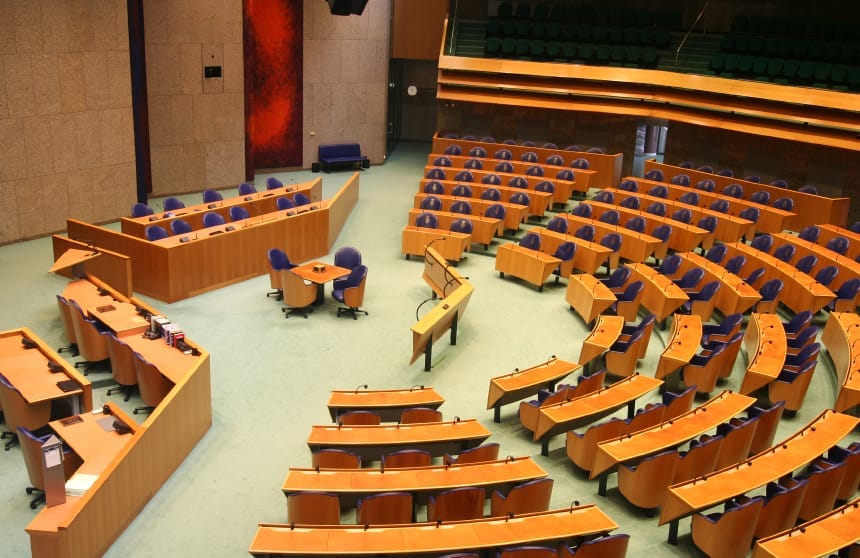
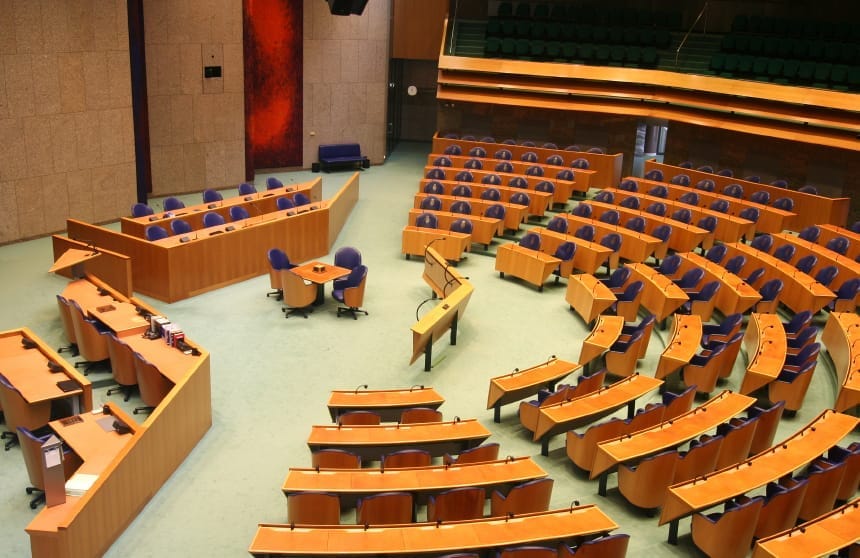
Together, D66, VVD and CDA hold 66 seats in the 150-seat Tweede Kamer. That is far short of a majority, meaning any cabinet formed by these three parties alone would need outside support to pass legislation and approve budgets.
As a result, the talks are focused on the overall structure of the next government. The options on the table include adding a fourth party to create a majority coalition, or forming a minority cabinet that relies on agreements with other parties on a case-by-case basis.
Letschert has described the current phase as crucial, stressing that decisions are needed both on the coalition format and on the financial framework that would underpin a future government.
Potential partners and political limits
Discussions about possible partners remain politically sensitive.
One option is JA21, a right-wing party led by Joost Eerdmans, which would fit a more centre-right direction. However, D66 has expressed reservations about governing with JA21, while the party itself has also set clear conditions for participation.
Another option is GroenLinks–PvdA, which would provide a solid parliamentary majority if included. D66 has been more open to this route, but the VVD has repeatedly said it does not want to govern with GroenLinks–PvdA, effectively blocking that path for now.
Because of these conflicting positions, the parties are also considering looser arrangements, such as a smaller cabinet that seeks support from different parties depending on the policy area.
Talks already reaching beyond the core trio
Even without formally adding a fourth coalition partner, discussions have extended beyond the three negotiating parties. Contacts have continued with smaller parties that could potentially provide support in parliament, particularly on confidence votes or budget legislation.
This reflects the reality that any future cabinet made up of only D66, VVD and CDA would need cooperation from other parties to function effectively.
Budget choices add pressure
Alongside coalition arithmetic, finances are emerging as one of the most difficult issues in the talks. The parties want clarity on the available budgetary space before committing to a specific coalition model.
The choices are politically sensitive: cutting spending, raising taxes, or allowing higher deficits and debt. Reaching agreement on these points is seen as essential before broader policy plans can be finalized.
Party leaders have indicated that resolving these financial questions is a priority in the current phase of negotiations.
What happens next
The first meetings after the holiday break began at a working level, with party deputies restarting discussions. Later in the week, party leaders are expected to reconvene, potentially at Landgoed De Zwaluwenberg in Hilversum, where earlier rounds of talks took place.
The schedule could still be affected by parliamentary business, but the intention is to use this week to break remaining deadlocks.
Why this week matters
If no clear decisions are made soon on the cabinet structure and financial framework, negotiations risk stalling again. The challenge is not only forming a government, but forming one that can command enough support in the Tweede Kamer to govern effectively.
For now, the talks are back underway. The key question is whether the parties move toward adding a fourth partner, or commit to a minority cabinet supported by external agreements: an outcome that would shape Dutch politics for years to come.