


Coalition talks enter new phase as D66 and CDA present joint plan
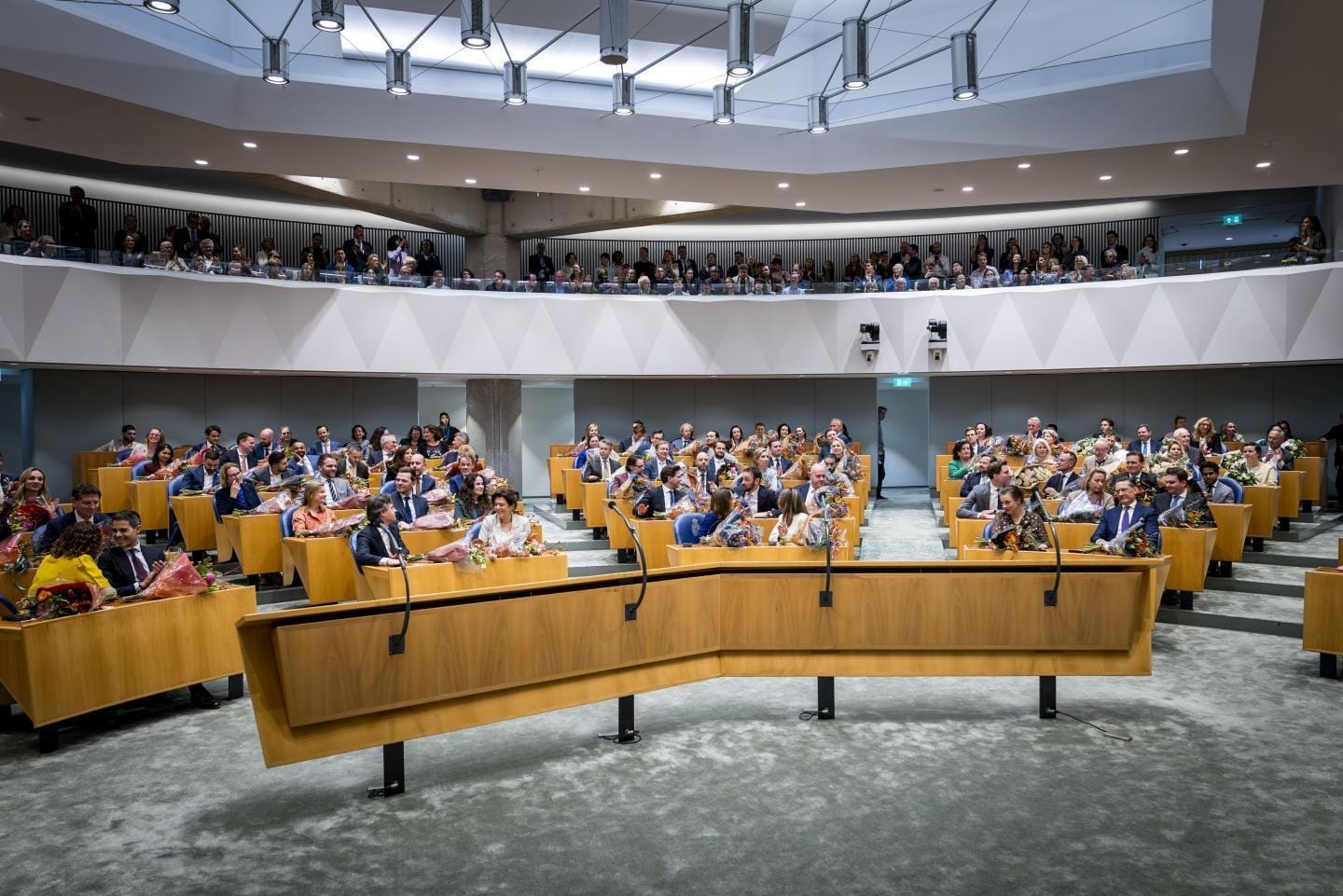
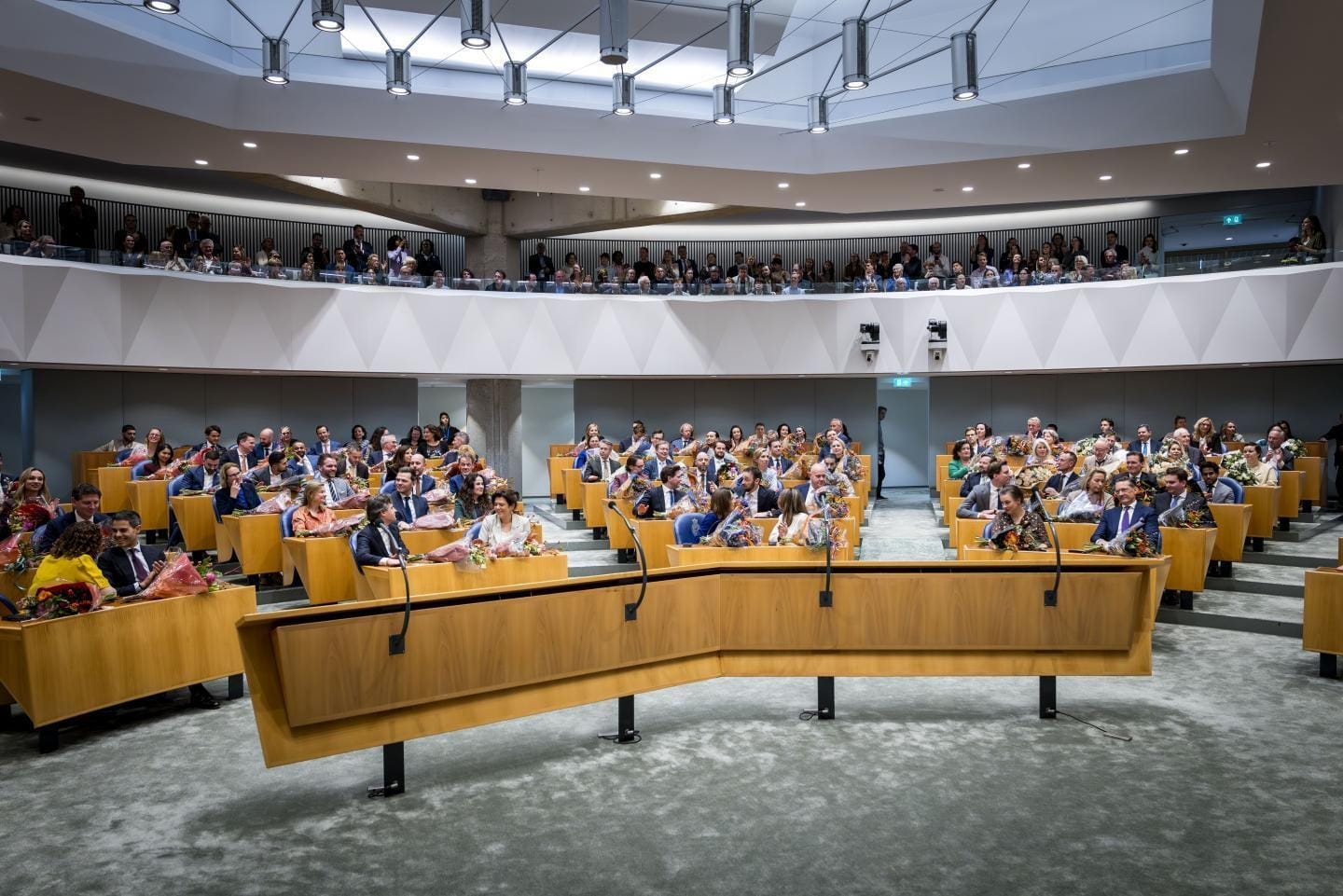
After weeks of stalemate following the 29 October 2025 general election, the Dutch cabinet formation has moved into a new phase. D66, which emerged as the largest party, and the Christian Democrats (CDA) have agreed on a 17-page “positive agenda” that sets out their preferred course for a new government. This document, drafted under the guidance of informateur Sybrand Buma, is now the basis for talks with other parties.
The D66–CDA outline focuses on five key areas: housing, migration, the economy, nitrogen and climate policy, and defence. Both parties describe it as a starting point rather than a finished coalition agreement and say they are explicitly inviting others to join or support the programme.
Main points of the D66–CDA plan
The plan contains several headline proposals:
Restoring the full 30% expat tax ruling for highly skilled workers for five years, reversing recent cuts that reduced the benefit over time.
Accelerating housebuilding, including more social and mid-range homes, and measures to make buying a first home easier.
A stricter migration and asylum policy, including tighter border controls and faster procedures, combined with continued support for refugees under international obligations.
A new climate and nitrogen package, with investment in the energy grid, green gas and hydrogen, while continuing to push down agricultural emissions.
A partial return of conscription, where young people could be called up if voluntary recruitment fails to meet defence targets.
The parties also suggest changes to tax policy, such as higher levies on wealth and assets and reforms to mortgage interest relief, as well as road pricing in the longer term.
How other parties are responding
With the document now public, the formation moves into broader talks:
The VVD says it “stands ready” to negotiate and is open to joining a coalition, but has reservations about measures like higher wealth taxes, changes to mortgage interest relief, and road pricing.
The GroenLinks–PvdA (GL–PvdA) alliance is also open to talks and sees “starting points” in areas such as climate and housing, but is critical of stricter asylum proposals and wary of possible cuts in social security and healthcare.
Smaller parties are being consulted one by one this week by informateur Buma to test whether they could join as coalition partners or support a minority cabinet from the opposition benches.
Earlier in November, formation scout Wouter Koolmees had already advised that D66 and CDA should first draw up a joint agenda to break the deadlock, with the VVD initially sidelined because it refused to work with GL–PvdA in a broader coalition.
Possible coalition shapes on the table
Because many parties ruled out governing with the far-right PVV after the election, attention has shifted to various “middle coalition” options centred around D66 and CDA. Analysts and recent reporting point to a few potential scenarios:
A centrist minority cabinet of D66 and CDA, possibly joined by VVD, that relies on support from other parties on specific issues (“confidence-and-supply” model).
A broader “middle coalition” including D66, CDA, VVD and GL–PvdA, if the parties can bridge gaps on tax, climate, and migration.
A D66–CDA core government with issue-based support from several smaller parties on different dossiers, such as climate, housing or fiscal rules.
For now, no combination has a clear, easy majority, so the talks are expected to focus heavily on whether parties are willing to tolerate each other’s red lines on migration, taxes and social spending.
Why the 30% ruling and housing loom large
Two themes stand out as politically sensitive in the new plan: the 30% ruling and housing.
Restoring the full 30% expat tax break is meant to keep the Netherlands attractive for international talent and major employers, after earlier budget decisions had reduced the benefit. Business groups and international media note that the ruling has been a key part of the country’s appeal for global tech and research staff, but it has also been criticised domestically as too generous.
Housing remains one of the top voter concerns. The D66–CDA plan promises more building and targeted measures for first-time buyers, as well as reforms to tax advantages for homeowners. That mix is intended to draw in parties worried about the housing crisis while keeping an eye on budget limits and EU fiscal rules.
Next Steps
In the coming days, informateur Sybrand Buma is meeting party leaders from both large and small parties to test which combinations are viable and where compromises might be possible. Reports on Wednesday note that he started with the nine smallest parties to hear their reactions to the D66–CDA document, before holding further talks with the bigger players.
If enough common ground is found, Buma will advise which group of parties should enter formal coalition negotiations. If not, parties may need to adjust their positions or explore different constellations, prolonging the formation process.
For now, the new D66–CDA plan has clearly unblocked the talks, but whether it becomes the backbone of the next Dutch government depends on the willingness of VVD, GL–PvdA and others to sign up to (or at least tolerate) its core choices on migration, climate, tax and housing.