


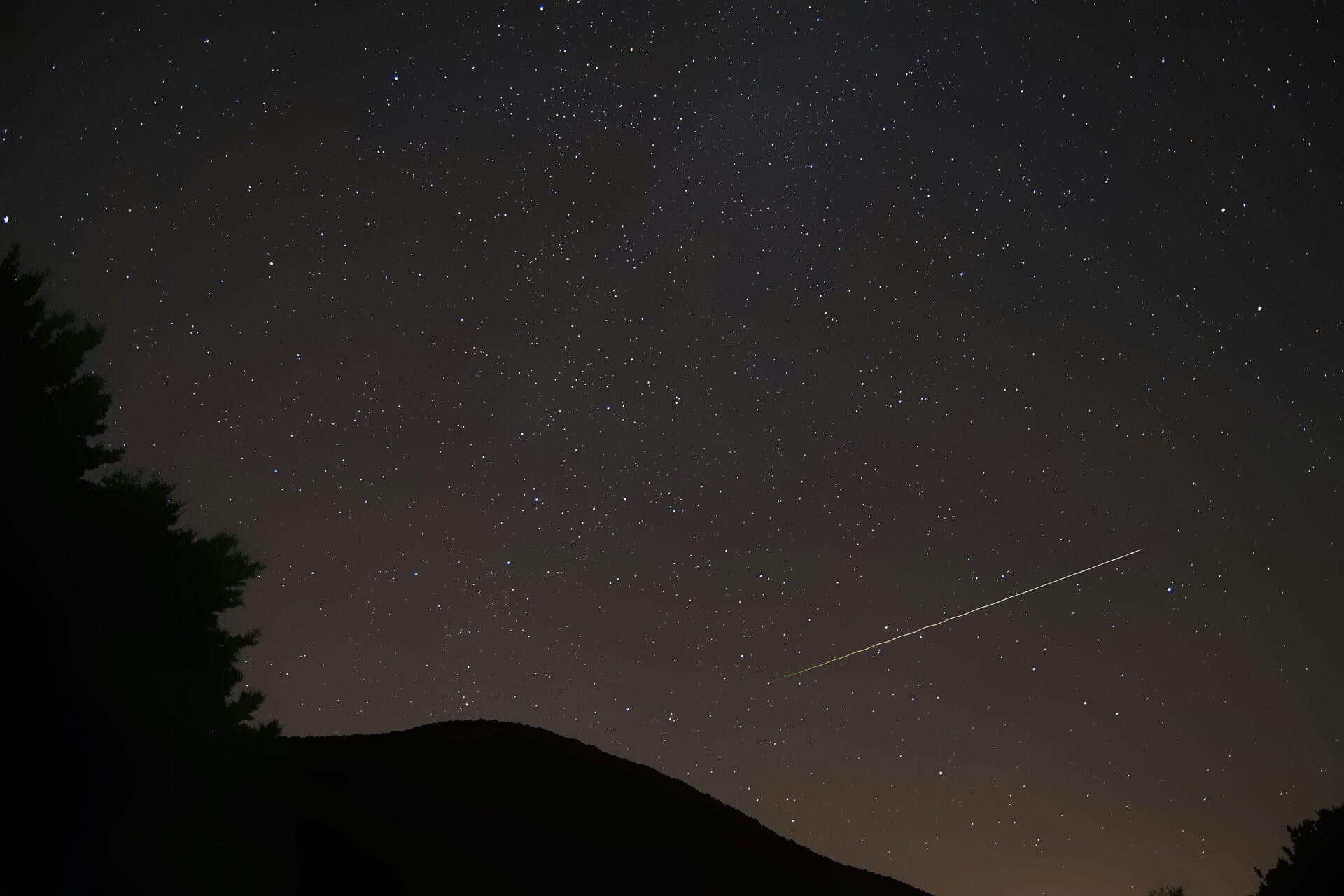

The Netherlands is in for a natural light show this weekend as the Geminid meteor shower reaches its peak, promising dozens of shooting stars per hour for anyone willing to brave the December cold. The Geminids meteor shower is expected to peak during the evening hours of Saturday, leading into Sunday. With the moon in a favourable phase, observers in the darkest areas may see up to 85–100 meteors per hour.
What Are the Geminids?
The Geminids are one of the most reliable and spectacular meteor showers of the year. Unlike most meteor showers that come from comets, the Geminids come from an asteroid called 3200 Phaethon. Every December, Earth passes through a cloud of dust and tiny rock particles left behind by this asteroid, creating the annual light show.
The meteors appear to radiate from the Gemini constellation, but in reality, they consist of tiny particles of rock and dust from the asteroid Phaethon. Each December, Earth passes through this debris cloud, creating the annual phenomenon. These particles burn up as they hit Earth's atmosphere at about 35 kilometers per second (relatively slow by meteor standards) which makes them easier to see with the naked eye.
The Geminids are known for producing bright, bold, and often colorful meteors. Many experienced stargazers consider them better than the famous August Perseids because of their reliability and intensity.
When and Where to Watch
The optimal viewing time for the meteors is Saturday evening. At first, the light cloud cover will still allow them to be seen. The absolute peak is expected around the night of Saturday, December 14, into Sunday, December 15, with the best viewing time typically around 2 a.m. when the radiant point (where meteors appear to come from) is highest in the sky.
However, you don't need to stay up until the middle of the night. The Geminids are unusual because they start producing good numbers of meteors relatively early in the evening, soon after the constellation Gemini rises in the eastern sky. This makes them more accessible than meteor showers that only peak in the pre-dawn hours.
"The peak of the Geminids is very sharp, lasting about 24 hours," Weerplaza noted. "Although some activity can be seen in the days before and after, the night of the 14th offers the best chance to witness the spectacle".
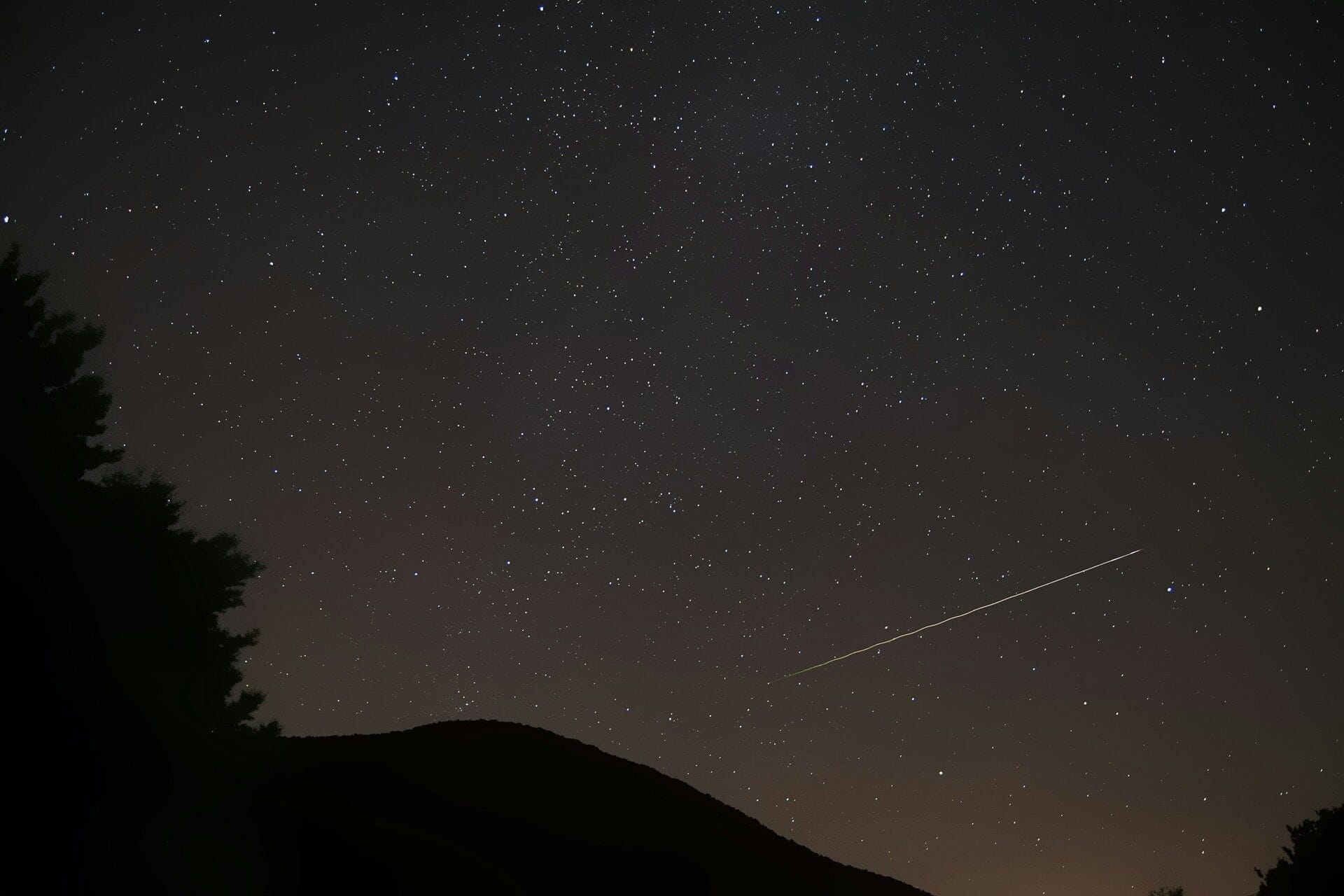
Tips for the Best Viewing Experience
Find a dark spot: Get away from city lights if possible. National parks, rural areas, or even just outside town will give you much better views than urban centers.
Let your eyes adjust: It takes about 20-30 minutes for your eyes to fully adapt to the darkness. Avoid looking at your phone or any bright lights during this time.
Dress warmly: Mid-December nights in the Netherlands are cold. Bring blankets, warm clothing, hot drinks, and maybe a thermos of coffee or tea to stay comfortable.
Look anywhere in the sky: While the meteors appear to radiate from the constellation Gemini, they can appear anywhere in the sky. You don't need to find Gemini to see meteors—just look up and scan the whole sky.
Be patient: Meteor watching requires patience. You might see several in quick succession, then nothing for several minutes. Give yourself at least an hour of viewing time.
No equipment needed: You don't need telescopes or binoculars. Your eyes are the best tool for meteor watching because they can see the whole sky at once.
Not the Last Show of 2025
If you miss the Geminids or want to see more meteors, there's one more chance before the year ends. The Ursid meteor shower will peak around December 22, though it's much weaker than the Geminids, typically producing only about 10 meteors per hour even at its peak.
The Geminids remain the highlight of December's sky and one of the best meteor showers of the entire year, making them worth the effort of bundling up and heading outside on a cold winter night.