


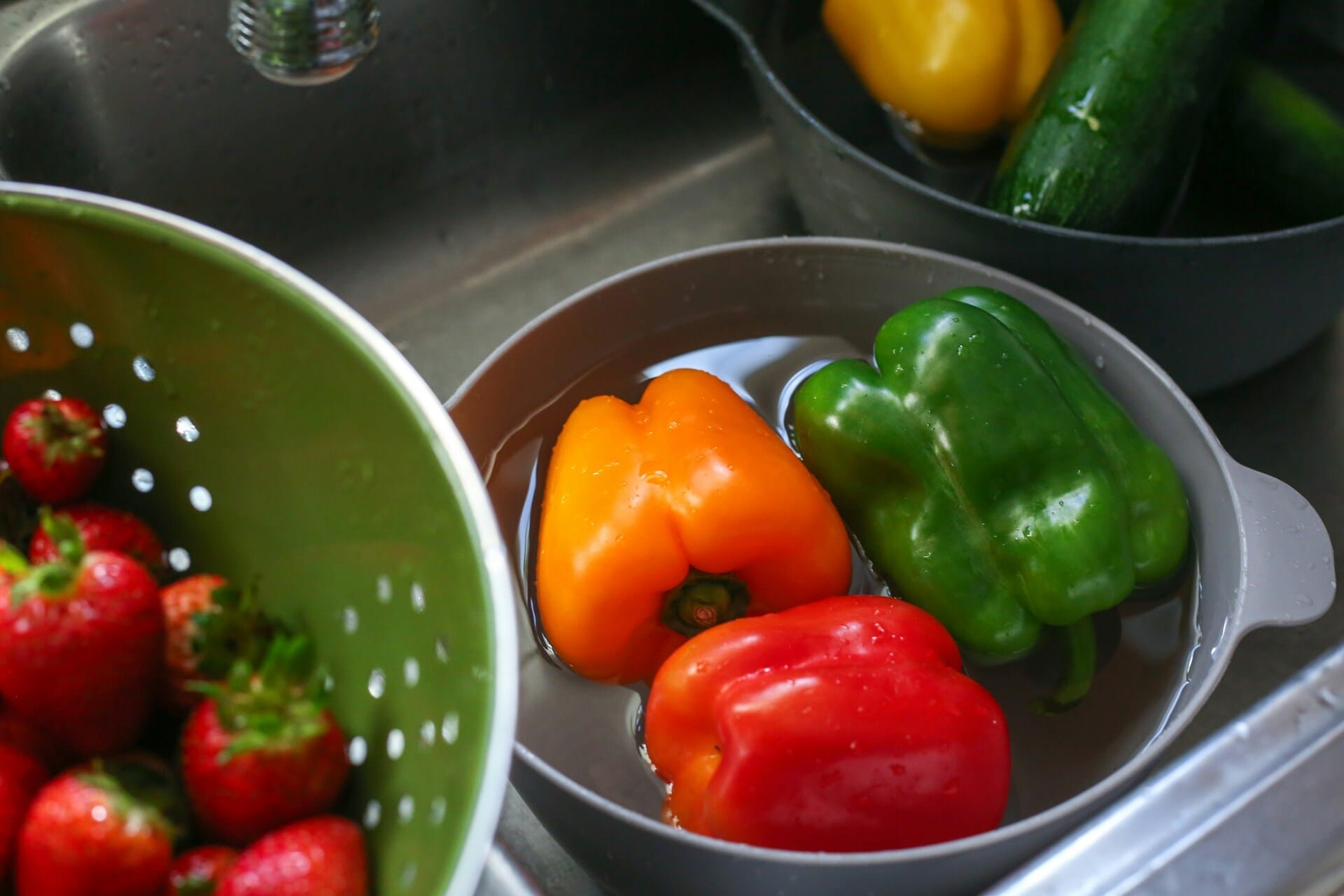

Bell peppers contain the highest average number of different pesticide residues among vegetables sold in the Netherlands, while citrus fruit and strawberries rank highest among fruit, according to new Dutch summaries of pesticide monitoring data.
These rankings do not automatically mean the products are “unsafe.” They mainly show how many different pesticide traces are commonly detected on a product, based on inspection samples.
What the new lists say
One overview based on NVWA inspection results from 2022–2024 places bell peppers at the top of the vegetable list, with an average of 2.1 different residues per product. Spinach, pak choi and tomatoes follow close behind at around 2.0.
For fruit, the same summary reports citrus fruit (such as oranges) at 4.4 residues on average, equal to strawberries. Grapes follow (about 3.6), then pears and cherries.
A separate Dutch ranking published this week repeats the same “top items” in a more consumer-facing way: citrus and strawberries are again highlighted as highest for fruit, with bell peppers leading vegetables.
Where the data comes from
The underlying measurements come from the NVWA’s pesticide residue monitoring, which uses sampling checks across the food chain. NVWA publishes annual inspection results and detailed analysis documents, covering a wide range of foods including fruit and vegetables.
The lists reported in the media are built from these inspection findings by grouping products and calculating averages.
A key detail, residues versus legal limits
Finding pesticide residues is not the same as breaking the law.
Within the EU, foods must comply with maximum residue limits (MRLs). NVWA’s reporting explains that it supervises these legal limits for all foods sold in the Netherlands.
At the EU level, EFSA has repeatedly concluded that overall consumer risk from pesticide residues remains low in its annual reporting, based on large monitoring datasets.
That said, “low risk” at population level does not remove public concern, especially when multiple residues are found on a single product.
Why certain products show up more often
Some produce types tend to rank high because they are more vulnerable to pests or mould, or because they undergo treatments during growth and storage. Soft fruits such as strawberries can be harder to grow without losses. Citrus can have treatments linked to storage and transport.
Also, the Netherlands imports a large share of its produce, meaning residues reflect both Dutch and international supply chains: still under the same EU residue limits once sold in the Netherlands.
Similar rankings have appeared before
This is not the first time Dutch rankings have flagged citrus and strawberries. Earlier Dutch reporting based on similar PAN-NL lists also put citrus fruit and strawberries near the top, with other products like lettuce, cherries and grapes also scoring high depending on the year and method used.
The details shift across datasets and time periods, but one pattern is consistent: fruit tends to show more different residues than vegetables, and a small group of popular items appears near the top repeatedly.
The “cocktail effect” question
Even when each residue is within legal limits, people worry about combined exposure to multiple chemicals across foods.
EU regulators do assess cumulative exposure in some ways. EFSA runs work on “chemical mixtures” and has published cumulative risk assessment approaches for pesticide residues.
Still, the debate continues because consumers experience exposure through real diets, not single substances in isolation.
What consumers can do in practical terms
If you want to reduce pesticide residues without overhauling your diet:
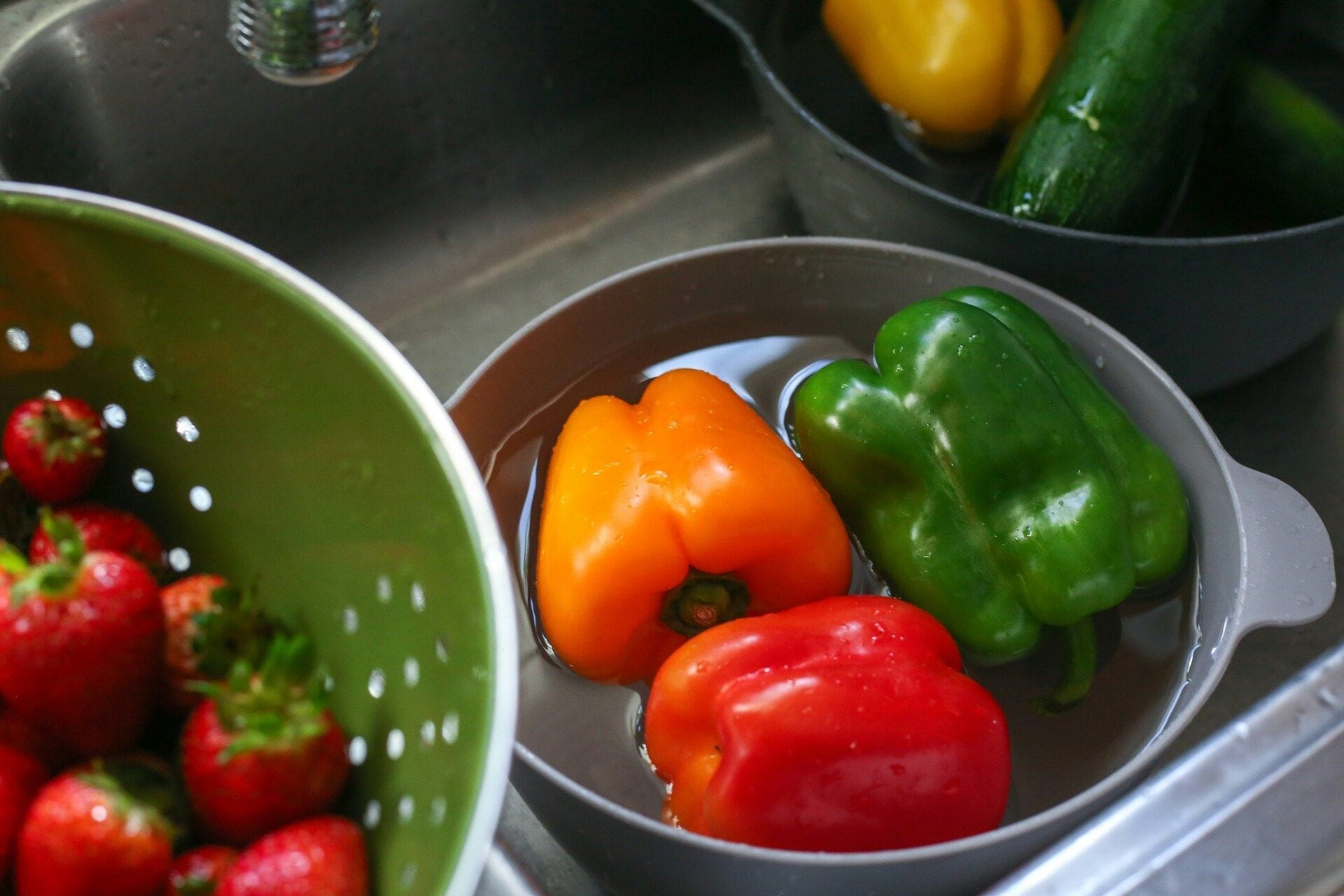
Wash and rub fruit and vegetables under running water (especially items eaten raw).
Vary what you eat, so you’re not repeatedly relying on the same high-ranking items every day.
Peel when appropriate (noting this can remove fibre and nutrients too).
If budget allows, consider buying organic for the items you eat most often rather than switching everything.
The bigger public-health message remains: fruit and vegetables are important for health, and these rankings are best read as a comparison tool, not a reason to stop eating produce.