


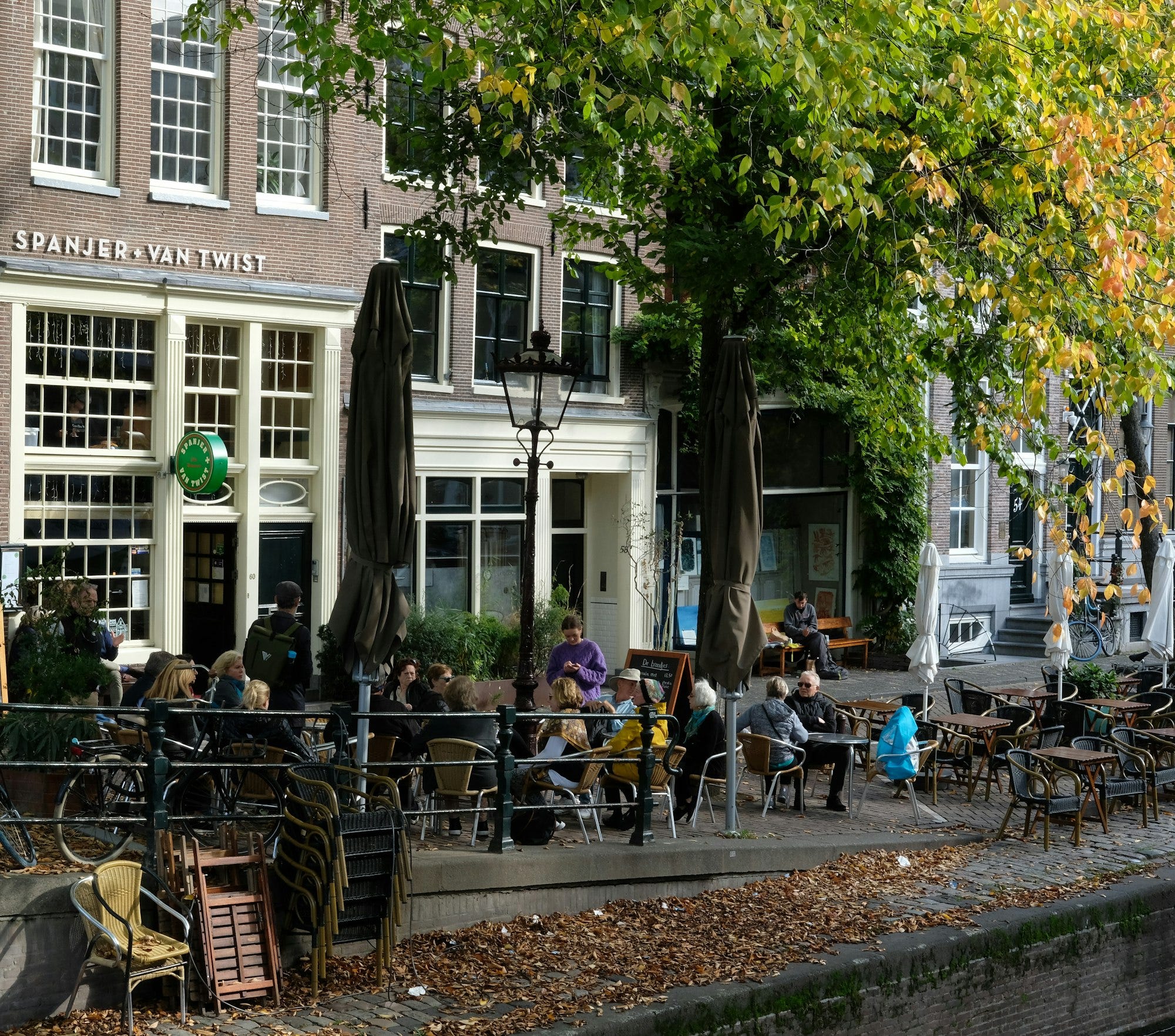
Dutch cafés and restaurants have seen higher turnover over the past year, helped by consumers spending more when they go out. In the first three quarters of 2025, turnover at cafés and restaurants rose by around 5%, according to the figures cited in recent reporting.
Official quarterly data shows the broader hospitality sector is still growing, but not at the same pace everywhere. In Q3 2025, turnover in food and beverage outlets was up 4.6% year-on-year, but the increase for cafés specifically was much smaller: about 1% compared with the same quarter a year earlier.
That split matters. Restaurants and fast-food businesses often have steadier demand and higher throughput. Cafés are more exposed to discretionary spending as people can simply stay home when budgets feel tight, weather is bad, or transport disruptions hit city centres.
Why people are spending more
One reason the sector expects demand to hold up is household income. Government economists have forecast that purchasing power will rise by an average of 1.3 percent in 2026, which typically supports more spending on services like eating out.
At the same time, “spending more” does not always mean people are going out more often. It can also mean higher menu prices, which are driven by wage increases, rent, and energy, so a single café visit costs more than it used to.
Costs are rising faster than margins
Even when turnover rises, many hospitality businesses say the profit behind those sales remains thin. The sector has faced several years of pressure from:
higher wages (partly from staff shortages and wage growth)
higher energy and supplier costs
rent increases, especially in city centres
repayment of debts built up during the pandemic period
This creates a common pattern: a café can be “busy” and still struggle to pay bills, because more of its revenue is absorbed by fixed costs. Owners can raise prices only up to a point before customers cut back.
Business confidence in hospitality has improved somewhat, but it remains negative overall, suggesting many entrepreneurs still expect a difficult period ahead.
Bankruptcies are easing, but the risk hasn’t disappeared
There are signs of relief. Recent reporting noted that bankruptcies among restaurants fell relatively sharply in October and November, while café bankruptcies have been declining more slowly for several years.
Broader national figures also show bankruptcies were down year-on-year in late 2025, although these totals cover all sectors, not just hospitality.
But banks and sector analysts have warned that hospitality remains vulnerable, especially restaurants and smaller venues. Earlier analyses pointed to elevated bankruptcies through 2025, driven by inflation and weak growth, and described a situation where recovery after the pandemic was followed by renewed financial strain.
In other words: fewer bankruptcies in a couple of months is encouraging, but it does not mean the underlying pressures have gone away.
2026 could bring new price pressure
Looking ahead, the sector may face another round of cost increases that could affect both businesses and customers.
Analysts have warned that hospitality prices are likely to rise again in 2026, partly linked to tax and policy changes affecting parts of the sector, alongside normal cost growth in wages and inputs.
For cafés, this is a delicate balance. Higher prices can protect margins, but only if customers keep coming. If households feel squeezed by other costs (housing, energy, insurance) café visits are often among the first “nice-to-have” expenses people reduce.
What this looks like on the ground
For many cafés, the current situation is best described as “better sales, same stress.” More customers and higher spending can improve cash flow, but day-to-day survival still depends on:
keeping staff levels stable
securing affordable supply contracts
managing debt repayments
maintaining occupancy during quiet seasons
avoiding sudden shocks, such as energy spikes or transport disruption
Some businesses respond by shortening opening hours, simplifying menus, or cutting back on seating and service to reduce labour needs: changes that can also alter the character of local café culture.
What to watch next
If purchasing power rises as expected in 2026, cafés may see continued demand, especially in cities and tourist areas. But the sector’s health will depend less on turnover headlines and more on whether costs stabilise enough for businesses to rebuild margins.
The key signals to watch are: bankruptcy trends in hospitality, consumer confidence, wage and rent developments, and whether new policy changes push prices up further. For now, the message is mixed: people are spending more, but many cafés are still operating with very little financial room for error.