


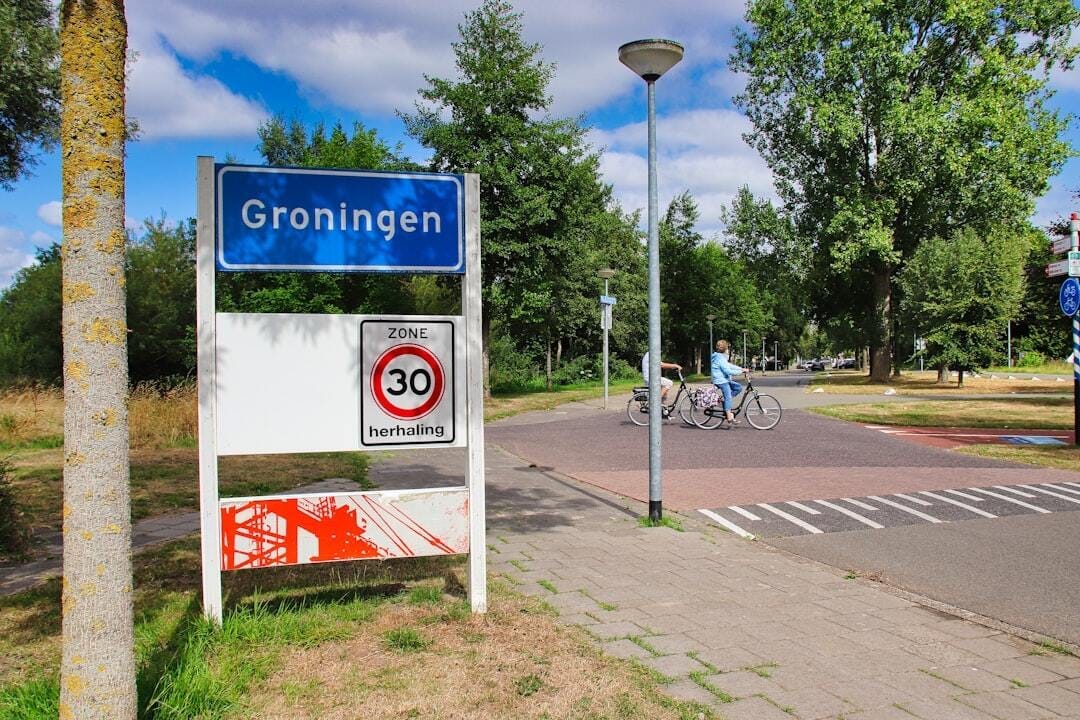

Several schools in the northern Netherlands were disrupted on Thursday morning after bomb threats were reported at multiple locations in Groningen and Drenthe. Police confirmed that six reports came in and said the situation was treated seriously, with evacuations and searches carried out as a precaution. Early information indicates the threats were likely false, and schools that were searched were able to resume activities later.
What happened
The reports came in during the morning and involved schools in both provinces. Police in the North Netherlands region said they received multiple bomb threat reports and responded by sending officers to the locations and assessing the safety risk.
Local reporting said four of the reports were in Groningen province and two in Drenthe, though authorities did not immediately publish a full list of the schools affected.
In at least one case, a school building was evacuated and searched, after which nothing suspicious was found and people were allowed back inside.
Evacuations and searches
Emergency services typically follow strict procedures when bomb threats are reported, especially in schools where large groups of children and staff may be present. That usually means:
evacuating the building (or parts of it)
checking the premises and surrounding area
coordinating with school leadership and local authorities
allowing re-entry only once police are satisfied there is no immediate risk
In this incident, police described the threats as apparently false and said investigations were continuing into who made the reports and how they were communicated.
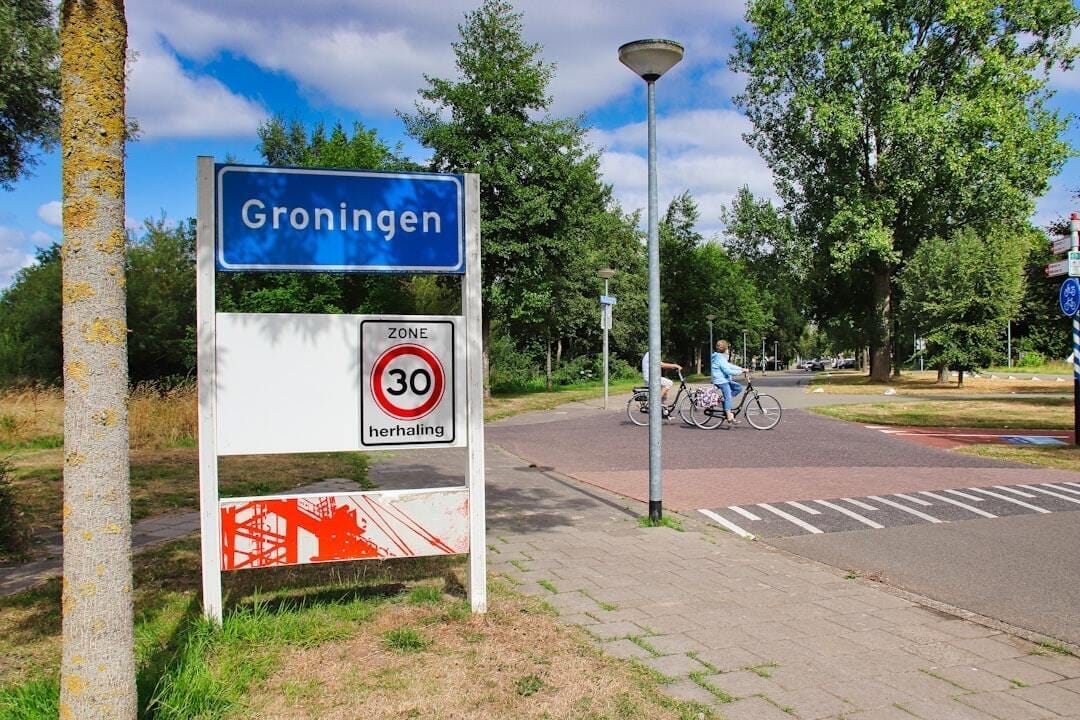
Where the threats were reported
Police have been cautious about sharing details that could encourage copycats, and not all school names were made public in early updates. However, multiple reports stated that at least one evacuation took place in Hoogezand, and other reports referenced schools in Groningen, Eelde, and Emmen as being among the locations where threats were reported.
There was also some variation in how the total was described: while several outlets referred to six schools, another report said the six reports involved five schools and one residential location. Police did not immediately clarify that discrepancy in the public updates cited in those articles.
How police are treating the case
Even when a threat turns out to be false, police generally treat it as a serious offence because it can cause fear, large-scale disruption, and significant emergency response costs. In school-related cases, police also take into account the broader impact on children, parents, and staff.
Police said they were investigating the origin of the threats. In situations like this, investigators typically look at whether the messages came via phone calls, emails, or social media, and whether there are similarities between the reports that could suggest coordination.
What happens next for schools and families
For schools affected by threats like these, the day often becomes a mix of safety checks and practical coordination:
contacting parents and guardians
arranging safe waiting areas for students during an evacuation
adjusting lessons or moving classes online if needed
documenting events for school boards and local authorities
Even when classes resume, the incident can leave anxiety behind, especially for younger students. Many schools will also review entry rules and communication protocols after an event like this, even if the threat proves false.
Why these incidents cause major disruption
A key reason bomb threats have such a large impact is that emergency services cannot assume they are harmless. A fast response is required even when the probability of a real device is low. That can temporarily pull police capacity away from other tasks, while also disrupting traffic and public transport near the school.
False bomb threats also tend to be handled carefully in public communication, because detailed information can unintentionally help people repeat the behaviour or target new locations.
For now, police say the threats appear false, but the investigation continues. Anyone with information is typically encouraged to contact police, especially if they noticed suspicious behaviour near a school around the time of the reports.