


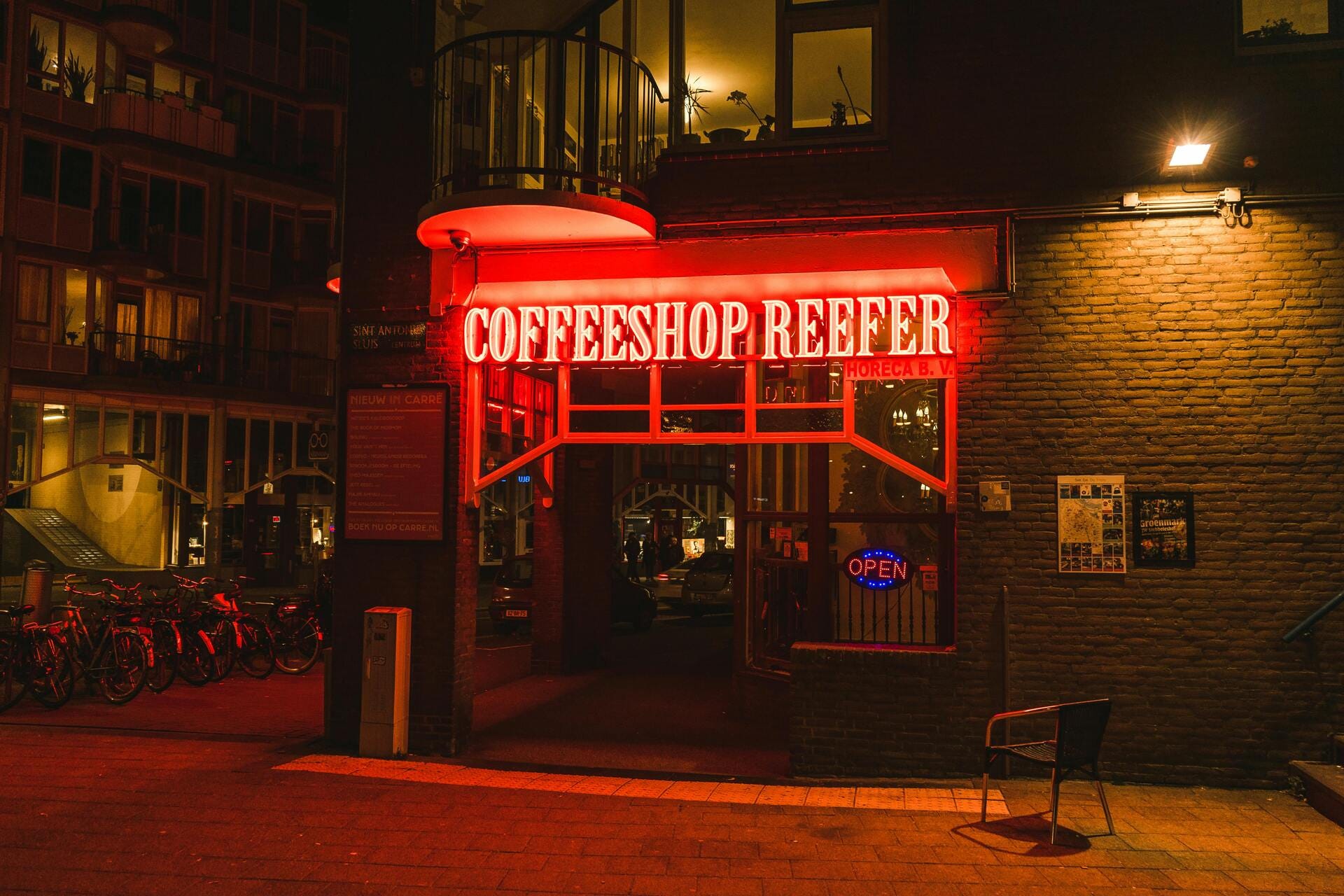
A ban on tourists accessing Amsterdam's coffeeshops is likely to be back on the city council agenda following the municipal elections on 18 March, with several parties now supporting the measure that has been resisted for over a decade.
Since 2012, non-residents have been excluded from coffeeshops across much of the Netherlands through the so-called "ingezetenencriterium" (residents criterion), primarily aimed at ending drugs tourism from neighbouring Belgium, France and Germany. Amsterdam was granted an exception on the condition that it withdrew licences from coffeeshops located too close to schools. Now, however, a potential majority appears to favour extending the ban to the capital.
Shifting political support
Mayor Femke Halsema has long favoured a tourist ban and has the power to introduce one herself, but has said she will only do so with council backing. Last October, the PvdA announced it would support a ban in the city centre, where most of Amsterdam's 166 coffeeshops are concentrated. The party described it as a necessary step to combat drugs tourism, spread visitor pressure across the city, and reduce the dominance of coffeeshops in the historic centre.
The liberal democratic party D66 and the left-wing GroenLinks, which are expected to be among the largest parties on the council after the vote alongside PvdA, remain opposed. However, several other parties including the VVD and CDA support a ban, which could make it a key issue in coalition negotiations after the election, according to Het Parool.
The PvdA and GroenLinks will merge into a single faction after the election, which could see GroenLinks eventually follow its partner's position on the issue.
Experts warn of street dealing surge
Criminologists and law enforcement officials have raised serious doubts about whether a ban would work in practice. Dirk Korf, emeritus professor of criminology who has studied coffeeshops and the tourist ban for years, says it simply will not succeed. "Who is going to ensure compliance?" he asked Het Parool. "It's a game of supply and demand. You don't have to just imagine annoying street dealers; a new parallel market will emerge. We've seen that in the south of the country."
Korf pointed to the experience of Lelystad, which had no coffeeshops for a period but saw dealers flourish. "When the first coffeeshop opened, the dealers disappeared," he said.
A crime reporter for De Limburger told Het Parool that Maastricht, where only Dutch residents can purchase cannabis, has seen a significant increase in street dealers since implementing its ban. "This measure will lead to a lot of street dealing. These people stand around the corner from the coffeeshop. Enforcement of this was impossible in Limburg, with the current capacity of enforcement officers and the police."
The 2012 nationwide rollout of the "wietpas" (weed pass) system was widely considered a failure. Both locals and tourists avoided coffeeshops, opening up new markets for illegal dealers. Street corners in Brabant and Limburg soon saw hash, cocaine, weed and pills on offer. The pass system was quickly abandoned, though the residents criterion remains in force in cities including Maastricht, Breda, Den Bosch and several others.
Residents group backs the ban
Not everyone is opposed to the measure. Dingeman Coumou from city centre residents' association d'Oude Stadt told Het Parool that research suggests fewer tourists will come to Amsterdam if a ban is introduced. "In particular those just out to party will stay home, and they are the ones we want to see the back of," he said.
The debate over coffeeshop access is part of Amsterdam's broader struggle with overtourism. The city has already introduced a ban on smoking cannabis on the street in the De Wallen red light district, the Dam, Damrak and Nieuwmarkt areas, with fines of €100 for those who ignore warnings.
Amsterdam is home to nearly 30 percent of all coffeeshops in the Netherlands. Despite reducing the number from 283 to 166 over the past two decades, demand for cannabis has increased significantly, with some coffeeshops reporting turnover increases of 75 to 200 percent.