


See more of Dutch Brief in your Google search results
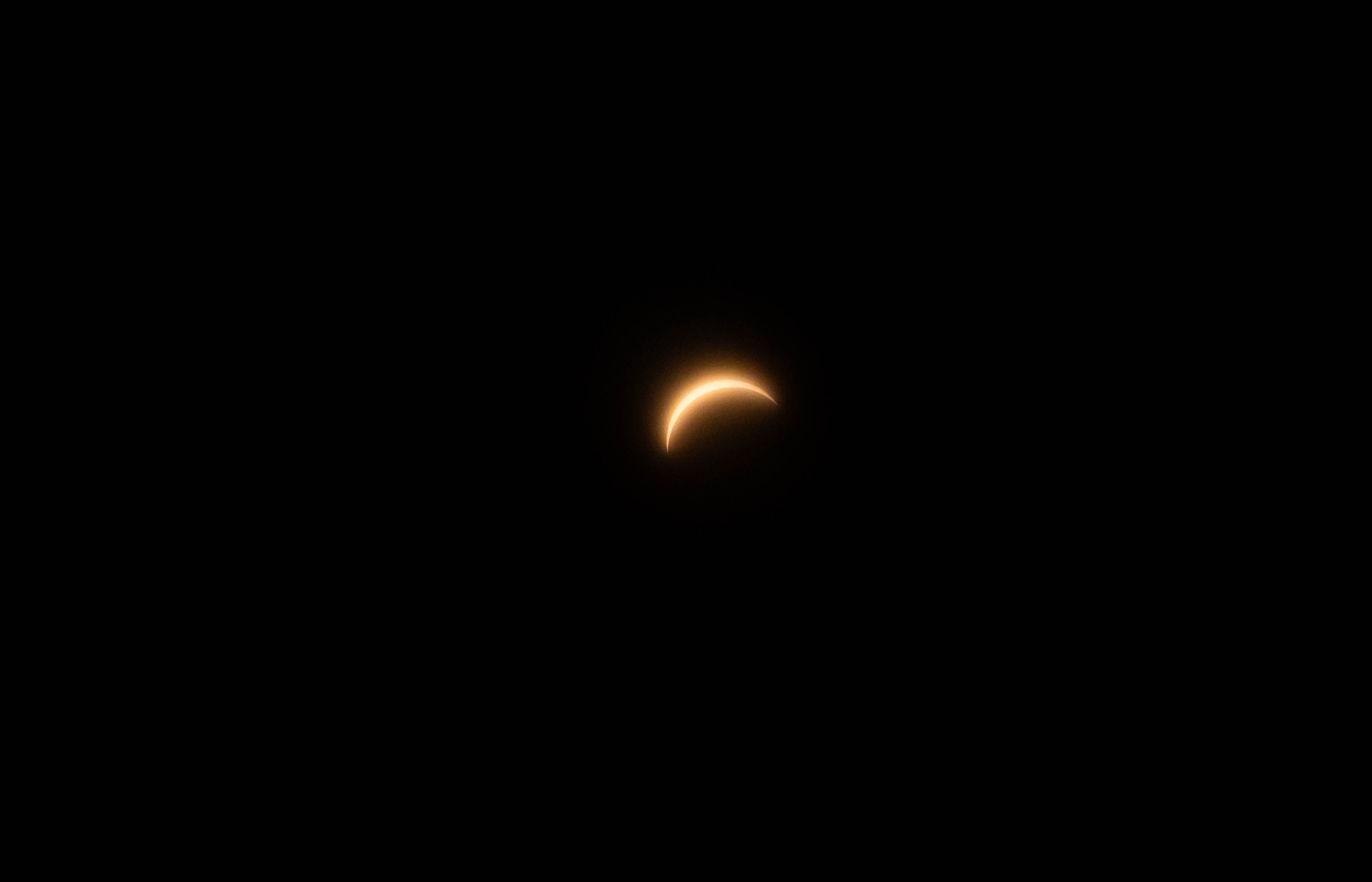
Summer is not done with the Netherlands yet. After a brief cooler spell, the heat is set to return this week, bringing with it a good chance of what would be the fifth regional heatwave of the year, and, as a welcome side effect, clear skies for Wednesday evening’s solar eclipse.
The week ahead
Monday and Tuesday offer a short pause, with temperatures staying below 30°C. On Monday, most cloud drifts over the north of the country, where a little rain may fall, though after such a long dry spell this will bring almost no relief, and some of it may even evaporate before it reaches the ground.
From Wednesday, it warms up again. Thursday and Friday in particular look hot, with temperatures above 30°C across much of the country and possibly reaching 34 to 36°C in the south. That raises the prospect of a fifth regional heatwave in 2026, an unusually high number for a single Dutch summer. A cooler change may arrive over the coming weekend, possibly with some showers, though these could be very localised and miss many places entirely.
Good news for the eclipse
The dry, settled weather has one clear upside. There will be little cloud through the week, and what does pass over is expected to be thin, wispy high cloud, the kind you can often see through. That is a promising sign for the partial solar eclipse on Wednesday evening, which forecasters say should therefore be well visible across the country.
The eclipse is a rare event for the Netherlands. On Wednesday evening the moon will pass in front of the sun and cover almost 90 percent of it, the largest eclipse visible from the country since 1999, with the next comparable ones not expected until 2081 and 2090. It will not go fully dark, but the light will noticeably dim. Observatories and universities around the country are opening for public viewing evenings.
One important reminder comes with it. You must never look directly at the sun, even when most of it is hidden, because the remaining light is still strong enough to cause serious and permanent eye damage. Ordinary sunglasses are nowhere near enough. The only safe way to watch is through certified eclipse glasses or a telescope or binoculars fitted with a proper solar filter.
SPONSORED
You’re overpaying your accountant. And they still don’t call you back.

Neno gives you a dedicated bookkeeper, automated admin, real-time financial insights and a free business bank account. Everything your business needs, in one place.
No chasing. No surprises. No unnecessary costs.
The drought drags on
For all that the sunshine suits eclipse-watchers, it is far from good news everywhere. The return of the heat comes with a continued lack of rain, and the drought that has gripped the country for weeks is only deepening. In the west of the Netherlands, the rainfall deficit, the balance between rain that falls and water that evaporates from the soil and plants, has risen to around 400 millimetres.
The Netherlands has been in an official water shortage since mid-July, with the Rhine recently hitting its lowest level ever recorded, shipping restricted and bans in some regions on using water to irrigate crops. Drinking water is not at risk. But with little meaningful rain in prospect for days to come, and the possibility that the weekend’s showers will be scattered and patchy, there is no real end to the dry spell in sight. For now, the clear skies that will make Wednesday’s eclipse a treat are the same skies keeping the rain away.