



A small group with a big impact
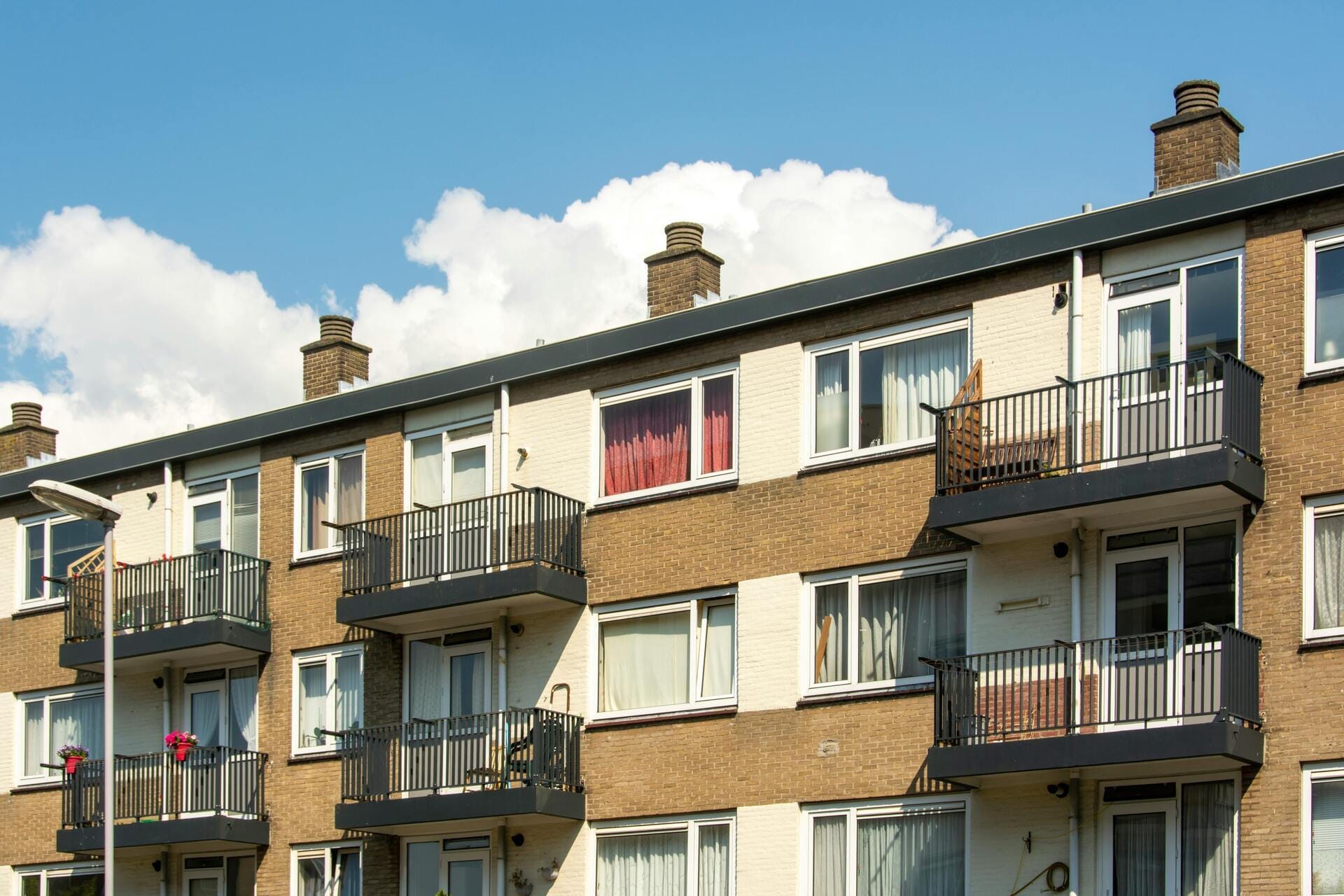
Nearly 12,000 people renting a home from a Dutch housing association (woningcorporatie) also own, or partly own, one or more owner-occupied homes in the Netherlands, according to a new analysis released by CPB. The group is small (about 0.5% of all housing association tenants) but it stands out because social housing is scarce and waiting lists are long.
The central issue is simple: housing associations are meant to provide affordable homes for people who cannot easily find housing on the private market. When someone has property wealth on the side, it can look like a mismatch with that public purpose.
What the numbers show
The data points to different levels of ownership:
10,680 housing association tenants own or co-own one owner-occupied home.
1,193 tenants own multiple owner-occupied homes.
33 tenants own more than ten homes.
In other words, most cases involve a single extra home, but there is also a smaller group that looks more like a portfolio of properties.
Not all cases look like deliberate “gaming” the system
A key nuance is that not every tenant-owner actively chose to hold onto a home while renting social housing.
The research suggests that in roughly one in six cases, ownership is linked to life events where someone may have limited control over the situation, such as a divorce where an ex-partner stays in the owned home while both remain owners, or inheritance where a tenant becomes a (co-)owner after a parent dies.
But in the remaining five out of six cases, the pattern appears more intentional, and more likely to conflict with the purpose of social housing. For example, when the owned home is rented out for income, used as a second home, or otherwise kept as an asset while the tenant continues living in a regulated, affordable rental.
Who are housing associations meant to serve
Housing associations are non-profit organizations that provide rental homes, mostly for lower-income households. In practice, they assess eligibility mainly through income, not wealth. The rent levels are also capped for social rentals (often described in Dutch reporting as around €930 per month for social housing), though associations also rent out some “mid-range” units above that level.
This is where the tension grows: someone may meet the income rules on paper, while still holding substantial wealth through property.
Calls grow for a “wealth test,” but there are limits
The housing association umbrella group Aedes says associations currently have few tools to address these cases. Their main request is the ability to apply not only an income check, but also a vermogenstoets (a wealth test) so that property ownership (and other assets) can be considered when deciding who should have access to scarce social rentals.
Supporters of a wealth test argue it would help ensure social housing goes to households that truly need it, especially during a housing shortage. Critics typically worry about privacy, administrative complexity, and edge cases where ownership exists but does not translate into usable wealth (for example, shared ownership arrangements).
Income and “fit” with social housing
Another striking detail from reporting on the findings is that many tenant-owners appear to fall outside the target group not only in wealth, but also in income. The analysis cited in Dutch coverage says more than half of these tenant-owners have incomes above the level usually associated with social housing eligibility, and that their incomes are, on average, much higher than those of other housing association tenants.
That does not automatically mean rules were broken: people can enter social housing legitimately and later see their financial situation improve. But it adds to the political and social debate about whether current rules reflect today’s housing reality.
What could happen next
This debate is likely to focus on three practical policy choices:
Stronger checks at the start (including possible wealth checks) to prevent clear mismatches.
Clear rules for changes later on, when a tenant’s situation shifts, such as buying a home after moving into social housing.
Better enforcement options, so housing associations can act in the clearest problem cases, while still allowing reasonable exceptions for divorces, inheritances, and other complex situations.