


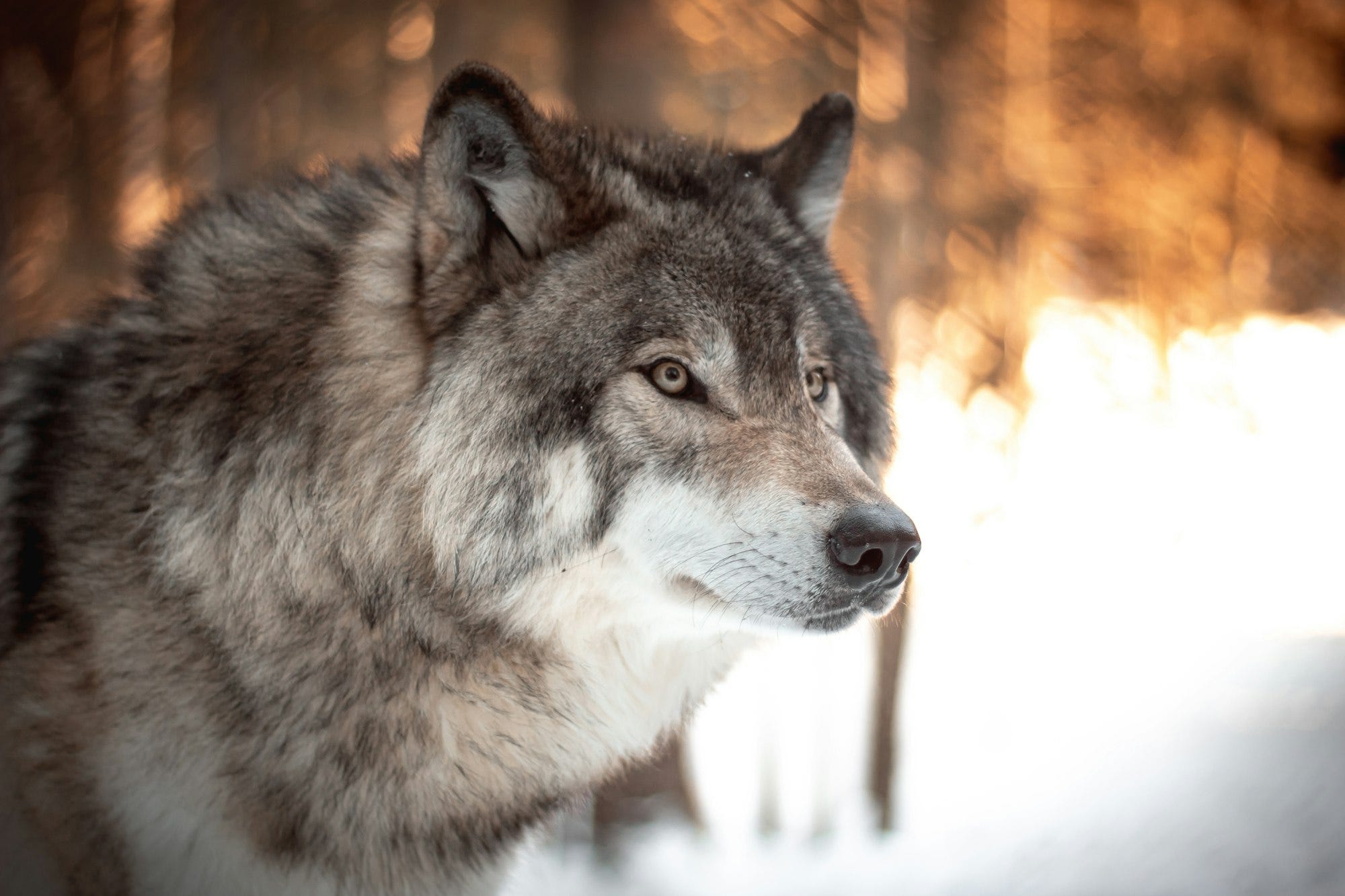

Wolf attacks on livestock continued to increase in 2025, with Gelderland accounting for more than half of reported incidents. The province recorded 434 attacks, up from 403 in 2024, and an additional 92 reports were still being assessed at the time of reporting. For the first time since 2019, Zeeland reported no attacks.
“Defenceless” farms: prevention is still rare
Despite the rising numbers, BIJ12 data suggests that almost 90% of livestock owners have not installed preventive measures, such as wolf-resistant electric fencing. That matters because prevention is seen as the most direct way to reduce attacks, especially for sheep, goats and other vulnerable hoofed animals kept outdoors.
BIJ12’s basic guidance is that a fence should be at least 120 cm high, have at least 5 electrified wires, be properly grounded, and stay tight and well maintained, otherwise wolves can slip under, jump, or push through weak spots.
Financial support exists, but uptake remains low
Farmers can claim compensation for confirmed wolf damage, and there are also subsidies available to install wolf-proof fencing. In Gelderland, for example, the province offers a scheme specifically for wolf-resistant fencing, which is currently open and runs until 1 January 2028.
Even with compensation and subsidies, uptake can stay low for a few very practical reasons:
1) Cost and effort are still significant
Subsidies help, but farmers may still face upfront costs, time, and labour, especially if they have large, irregular fields or multiple grazing areas.
2) Fences need maintenance, not just installation
A wolf fence isn’t “set and forget.” Vegetation can short the wires, ground can dry out (reducing shock), and gates or corners can become weak points. BIJ12 and provincial factsheets repeatedly stress that grounding and correct installation are essential, and that mistakes are common.
3) Not everyone believes they’re at risk
Some livestock owners assume wolves are “not in my area yet,” so they delay action until after an incident, by which time it can be too late.
4) The system can feel complicated
There are different provincial schemes and technical requirements. Some farmers hesitate because they’re unsure what qualifies as “wolf-resistant” and don’t want to invest in a fence that later turns out not compliant for subsidy/assessment purposes. (BIJ12 provides detailed checklists and guidance, but it can still feel technical.)
How compensation works (and why prevention still matters)
If livestock is attacked, owners can report it for assessment and possible compensation, but the process depends on evidence (including DNA) and a formal tax report. BIJ12 publishes updated wolf damage valuation guidelines for different animals and costs.
Prevention matters because compensation doesn’t undo:
the loss of breeding animals,
stress in the herd,
follow-up veterinary costs,
and repeated attacks if the area stays attractive to wolves.
Why this keeps escalating into a political issue
The gap between rising attacks and limited prevention is fuelling a wider debate: should the focus stay on fencing and subsidies, or should provinces be able to intervene faster with so-called “problem wolves”? Gelderland has already been involved in legal and political discussions about intervention in cases where wolves repeatedly attack livestock, even when fencing is present.
Meanwhile, wolf policy also depends on European rules. The EU has been discussing lowering the wolf’s protection level from “strictly protected” to “protected,” which could give countries more flexibility in management, though national implementation still matters.
Long-term research commissioned by the government has pointed out that wolf presence is likely to remain part of Dutch nature policy for the foreseeable future, meaning prevention and clear rules will become more important, not less.