


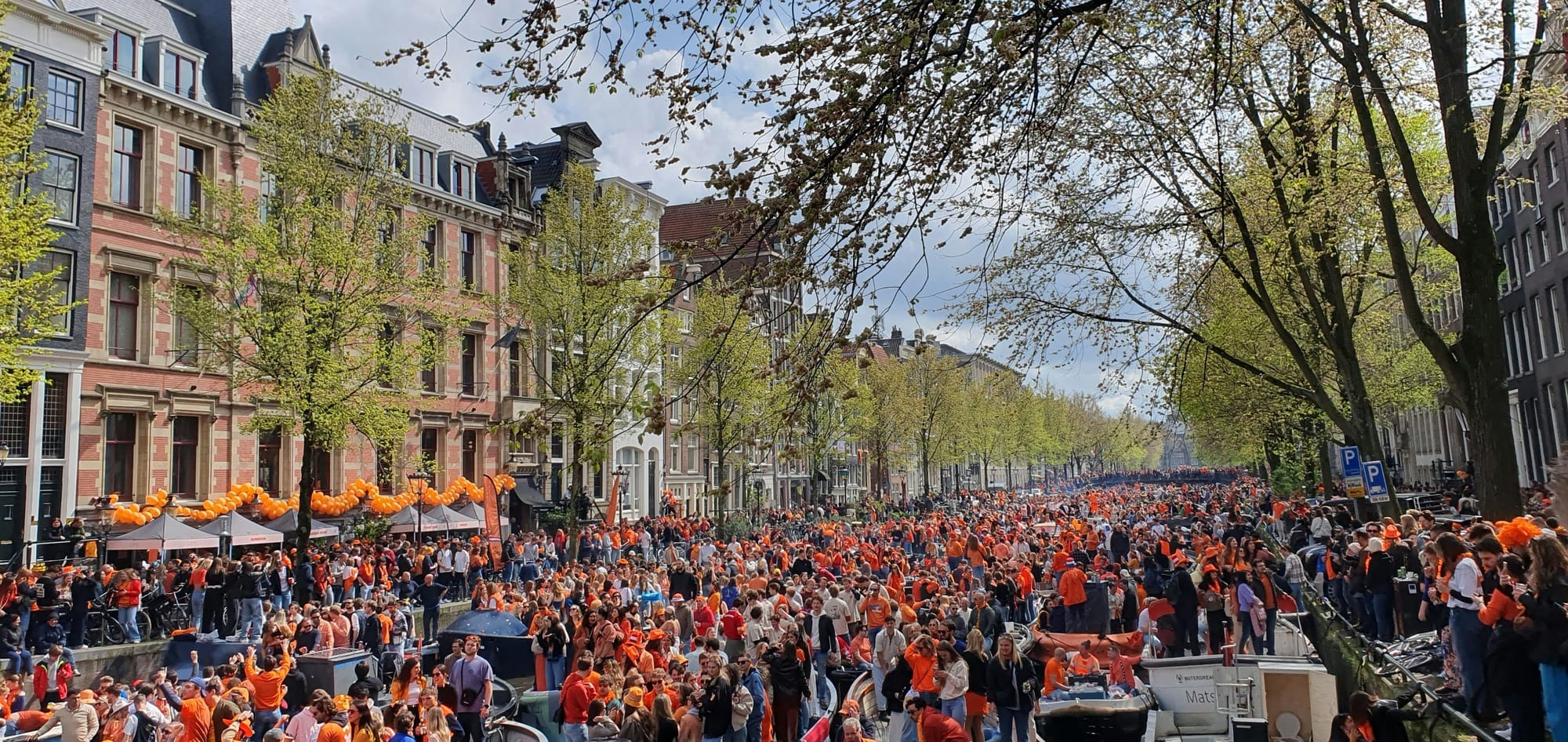

When the Dutch national football team takes the field in their bright orange kits, or when millions celebrate King's Day dressed head to toe in oranje, they are honouring a historical connection that stretches back nearly 500 years to a small town in southern France that has nothing to do with the colour or the fruit.
A Celtic water god, not a citrus fruit
The town of Orange sits in Provence, about 21 kilometres north of Avignon. Its name derives from Arausio, a Celtic water god worshipped at the site long before Roman legions arrived in 35 BC. The Romans established a colony there called Colonia Julia Firma Secundanorum Arausio, and the town flourished with a magnificent theatre and triumphal arch that still stand today.
Over centuries, the Latin Arausio gradually morphed through Aurengie and Orenga into the modern French "Orange." The similarity to the citrus fruit is pure linguistic coincidence. The fruit's name came to Europe via Persian and Arabic (nāranj), following an entirely separate path.
In 1163, Holy Roman Emperor Frederick I elevated the County of Orange to a sovereign principality within the empire. This tiny state, roughly 12 miles long and 9 miles wide, would maintain its independence for over five centuries.
An 11-year-old's unexpected inheritance
In 1544, René de Chalon, Prince of Orange, died childless at age 25 from wounds suffered in battle. In his will, he left all his titles and estates to his 11-year-old cousin: Wilhelm van Nassau-Dillenburg, a German boy being raised Lutheran in a modest castle in present-day Hesse.
This was a transformative inheritance. Along with the principality came vast estates in the Low Countries, making young Wilhelm one of the wealthiest nobles in the region overnight. Holy Roman Emperor Charles V, as overlord, attached one condition: the boy must convert to Catholicism and be educated at the imperial court in Brussels.
Wilhelm accepted, adopted the name William of Orange, and incorporated the Chalon-Orange arms into his heraldry. The principality's traditional colour became his emblem. The House of Orange-Nassau was born.
From princely colour to national symbol
William of Orange, later known as William the Silent (not because he was quiet, but because he was discreet about his true intentions), went on to lead the Dutch Revolt against Spanish rule. Beginning in 1568, the Eighty Years' War would eventually result in Dutch independence.
The colour orange became a rallying symbol for his troops. At the Siege of Leiden in 1574, Dutch officers wore orange-white-blue armbands. The original Dutch flag was orange, white, and blue, directly derived from William's personal colours. (The orange stripe was later changed to red, though historians debate exactly why; some suggest orange dye faded too easily, others point to political reasons.)
William was assassinated in 1584, but his descendants continued to serve as stadtholders of the Dutch Republic. The connection between the House of Orange-Nassau and Dutch national identity only deepened. When the Netherlands became a constitutional monarchy in 1815, the Orange-Nassaus became the royal family, and so they remain.
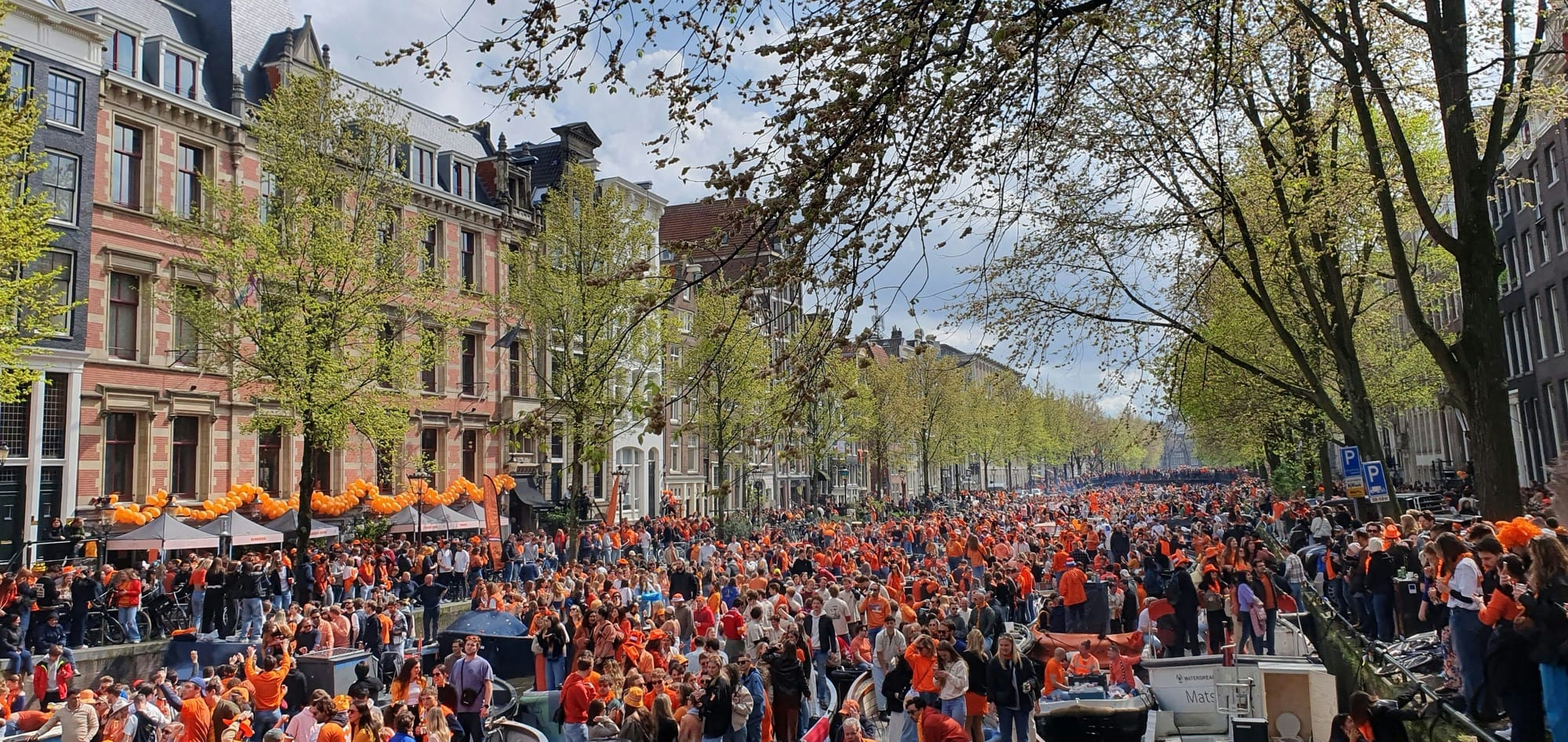
Orange today
The connection endures in countless ways. The national colour is orange, worn by athletes, displayed on King's Day (27 April), and chanted about by the Oranje Legioen football supporters. The Dutch national anthem, Het Wilhelmus, is named after William of Orange and is the oldest national anthem in the world still in use.
Even the coat of arms of the Netherlands derives from William's heraldry, and the national motto "Je maintiendrai" (I will maintain) was his personal motto, adapted from his cousin René's "Je maintiendrai Chalon."
The principality itself was lost in 1713, when Louis XIV incorporated it into France under the Treaty of Utrecht. But the title Prince of Orange survives as the designation for the heir to the Dutch throne, and the colour that an 11-year-old German boy adopted by accident of inheritance nearly five centuries ago remains the unmistakable symbol of Dutch national identity.
The city of Orange and the Kingdom of the Netherlands still share the same motto. Both proclaim: "Je maintiendrai."