


See more of Dutch Brief in your Google search results
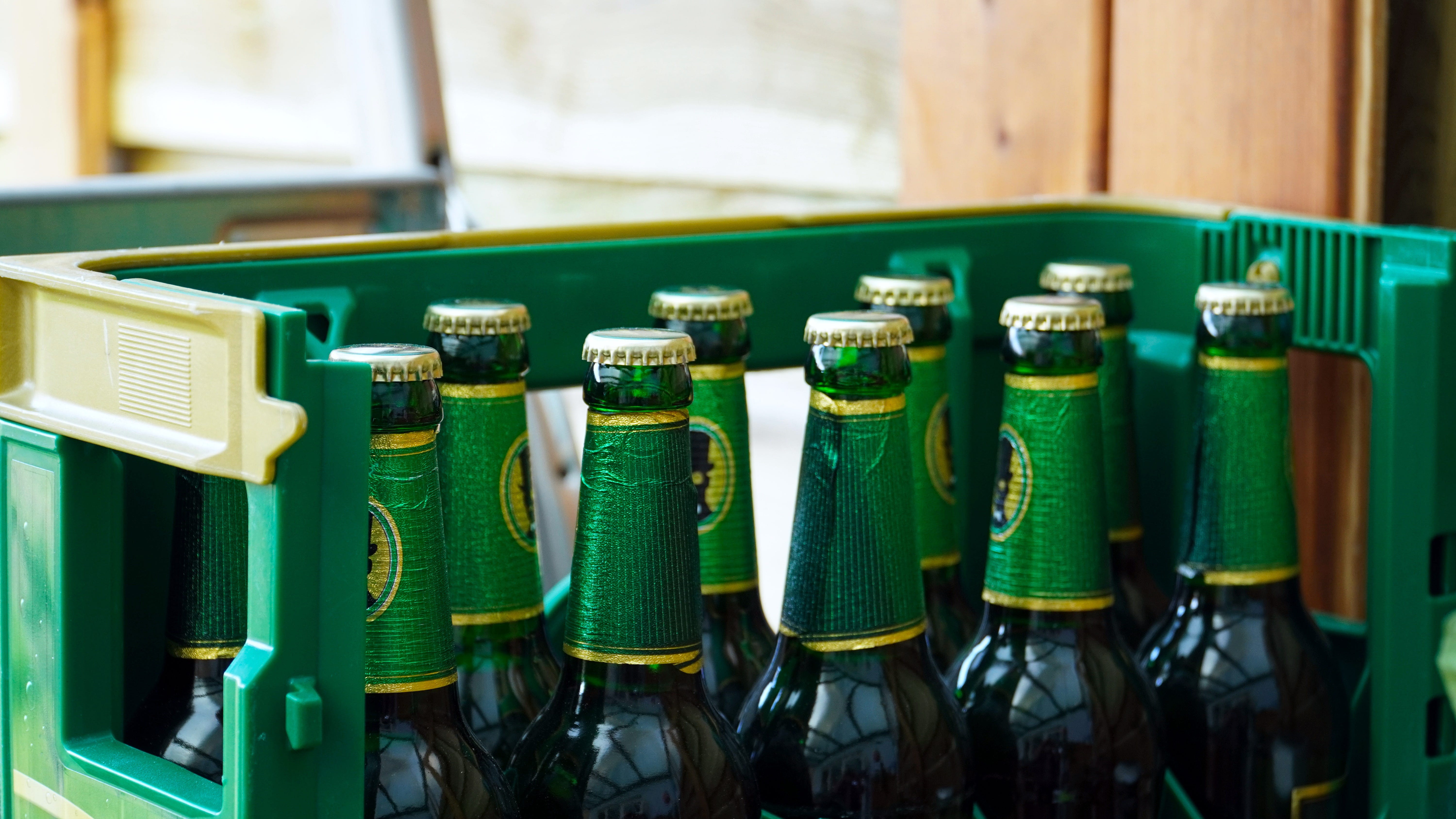
The Dutch government’s plans for a sugar tax on soft drinks could also push up the price of beer, according to a report in De Telegraaf based on a letter from the Cabinet and conversations with insiders. The newspaper says beer would become more expensive not because it contains sugar, but because its price is linked to the price of soft drinks. A one-litre bottle of cola would cost around 25 cents more, and a crate of beer about €1 more.
Why beer is caught up in a sugar tax
The connection is about how drinks are priced rather than what is in them. Beer itself would not be taxed for its sugar content; instead, its price would move together with the price of soft drinks. The Netherlands already has a consumption tax on non-alcoholic drinks (in Dutch, the “verbruiksbelasting”), which applies to almost all soft drinks. According to the government, producers currently pay €0.26 per litre, and the tax covers products such as soft drinks, fruit juices and alcohol-free beer; mineral water, dairy and soy drinks are exempt.xt
SPONSORED
You’re overpaying your accountant. And they still don’t call you back.
Neno gives you a dedicated bookkeeper, automated admin, real-time financial insights and a free business bank account. Everything your business needs, in one place.
No chasing. No surprises. No unnecessary costs.
What the sugar tax is meant to do
The sugar tax (in Dutch, “suikertaks”) is part of the coalition agreement of the Jetten I Cabinet, the document the governing parties drew up when they formed the government. It would apply to products containing more than 6 percent sugar. The Cabinet expects it to raise around €900 million and to encourage people to make healthier choices. Sophie Hermans, the Minister of Public Health, Welfare and Sport, and Eelco Eerenberg, the State Secretary for Finance, are working out how it could be introduced. According to the Telegraaf, the Cabinet expects some pushback from fruit juice manufacturers, but hopes that a sugar tax on soft drinks would be relatively straightforward to bring in.
This kind of measure is not new internationally. The weekly EW notes that the United Kingdom has had a tiered levy on sugary soft drinks since 2018, which led many manufacturers to lower the sugar content of their products, while France has taxed sweetened drinks since 2012 and Belgium since 2016. Denmark introduced a similar tax but scrapped it in 2014 after running into practical problems.
A tax that is hard to design
Taxing soft drinks is one thing; taxing the sugar in food is harder. Insiders told the Telegraaf that applying a sugar tax to the sugar content of food products would be far more complicated. They compared it to an earlier plan to cut the VAT (value added tax) on fruit and vegetables to zero. In 2023, researchers from SEO Economisch Onderzoek advised the government to drop that plan, warning that every version of it carried major legal and practical risks, including questions over which products to include and the high cost of carrying it out.
There is a clear difference between the two ideas. The VAT plan was also meant to steer people toward healthier food, but it would have made those groceries cheaper. The sugar tax, by contrast, works by making certain products more expensive.
Higher prices on the shelves
The news comes as shoppers are already being warned about rising costs. Earlier this month, the supermarket association CBL said grocery prices could rise by 10 percent next year, partly because of government measures including the sugar tax, new tolls for trucks, and energy levies.
For now, the plan is still being worked out and would need to go through the usual legislative process before it takes effect, so the exact rates and timing could still change.