


See more of Dutch Brief in your Google search results
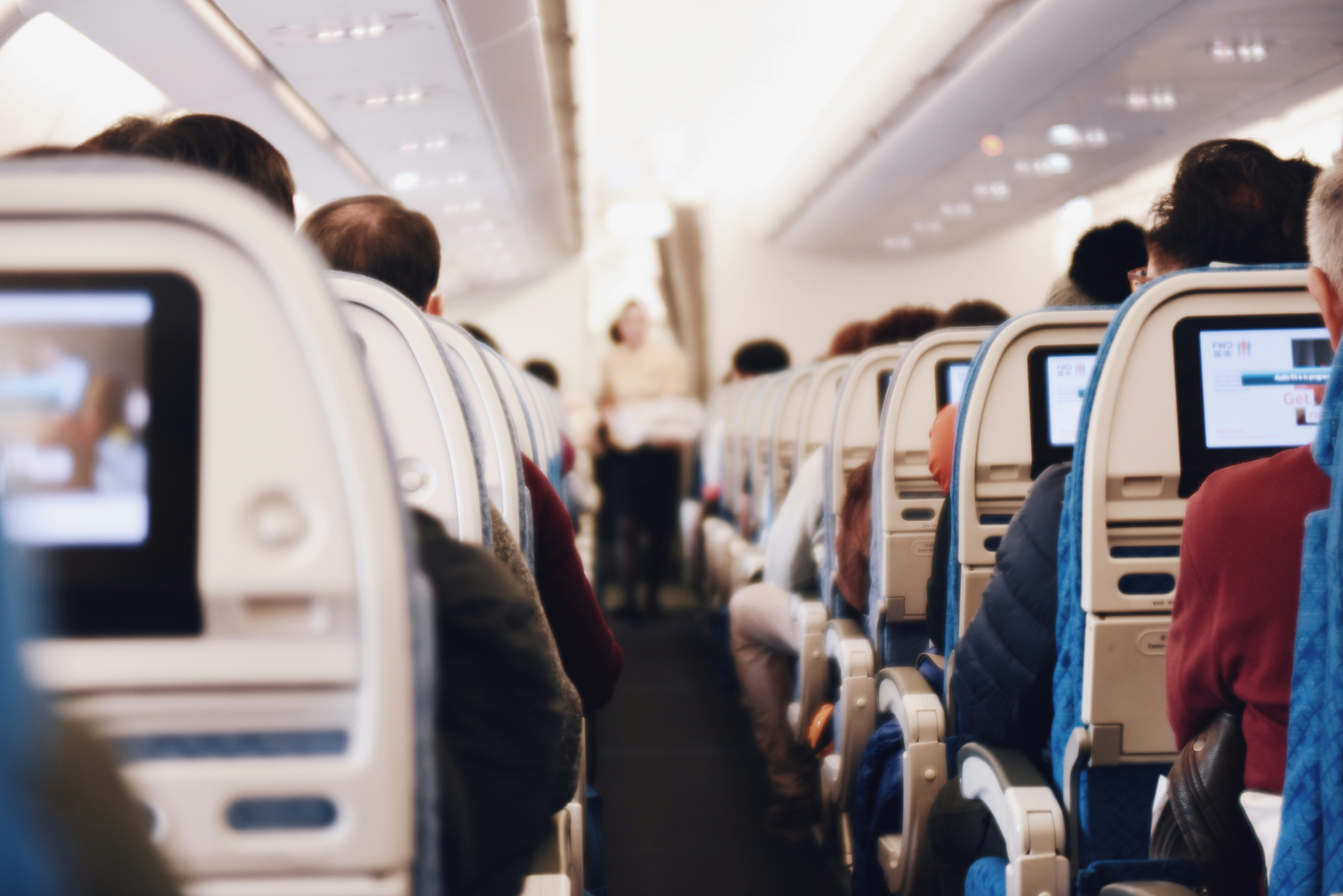
If booking a flight makes you anxious about sudden price changes, the Dutch consumer regulator confirms this concern is common. In a new study, the Authority for Consumers and Markets (ACM) reports that computer-set prices often leave consumers confused and uneasy, as it is usually unclear how these prices are determined.
What the study found
The ACM studied the Dutch airline ticket market as an example of dynamic pricing, where prices change frequently based on supply, demand, and competitors’ rates. The study found that a seat on the same flight is offered at an average of 30 to 35 different prices during the sales period. On any given flight, one in three tickets is priced at least 40 percent above the average ticket price.
According to ACM chairman Martijn Snoep, this leads to “a lot of stress and uncertainty.” Consumers spend more time searching for good prices and have difficulty comparing offers, often unsure whether to book immediately or wait. Those in vulnerable positions may be affected more, especially if they cannot afford to wait for a potential price reduction.
Beyond flights
Airlines are only one example. The ACM notes that similar pricing algorithms are becoming common across the economy, particularly online for products such as concert tickets. Increasingly, physical stores are also adopting digital price tags that can be updated instantly. “We expect that, because of AI and the availability of data, companies will use computer-set prices more often, including personalised prices,” Snoep said.
SPONSORED
You’re overpaying your accountant. And they still don’t call you back.

Neno gives you a dedicated bookkeeper, automated admin, real-time financial insights and a free business bank account. Everything your business needs, in one place.
No chasing. No surprises. No unnecessary costs.
A useful myth-buster
One key finding addresses a common misconception. Many believe that previous searches or the device used can increase prices, and that clearing cookies or switching devices will secure a better deal. The ACM found that, for flights, this is not the case: earlier searches and device choice do not affect the price. “Clearing cookies or booking your ticket on another device is therefore pointless,” the regulator said. Truly personalised pricing, based on individual characteristics or behaviour, is currently used only to a limited extent for flights, mainly within loyalty programmes.
What the ACM wants
Charging different customers varying prices for the same product is not illegal, and the ACM recognises that algorithmic pricing can reduce costs and increase seat occupancy, potentially lowering average prices. The main issue is transparency. Currently, companies using dynamic pricing are not required to disclose this practice or explain the factors influencing price changes. Those using personalised pricing must state that they use it, but do not need to specify which factors are considered.
The ACM advocates for greater transparency, stating that companies should clearly explain what does and does not influence pricing. The regulator argues this would reduce unnecessary searching and help restore consumer trust. The ACM is not proposing a ban, but is initiating a discussion. Businesses and consumers can respond to the draft report until 9 November, and the ACM will host a round-table on the responsible use of price algorithms in early 2027.