


See more of Dutch Brief in your Google search results
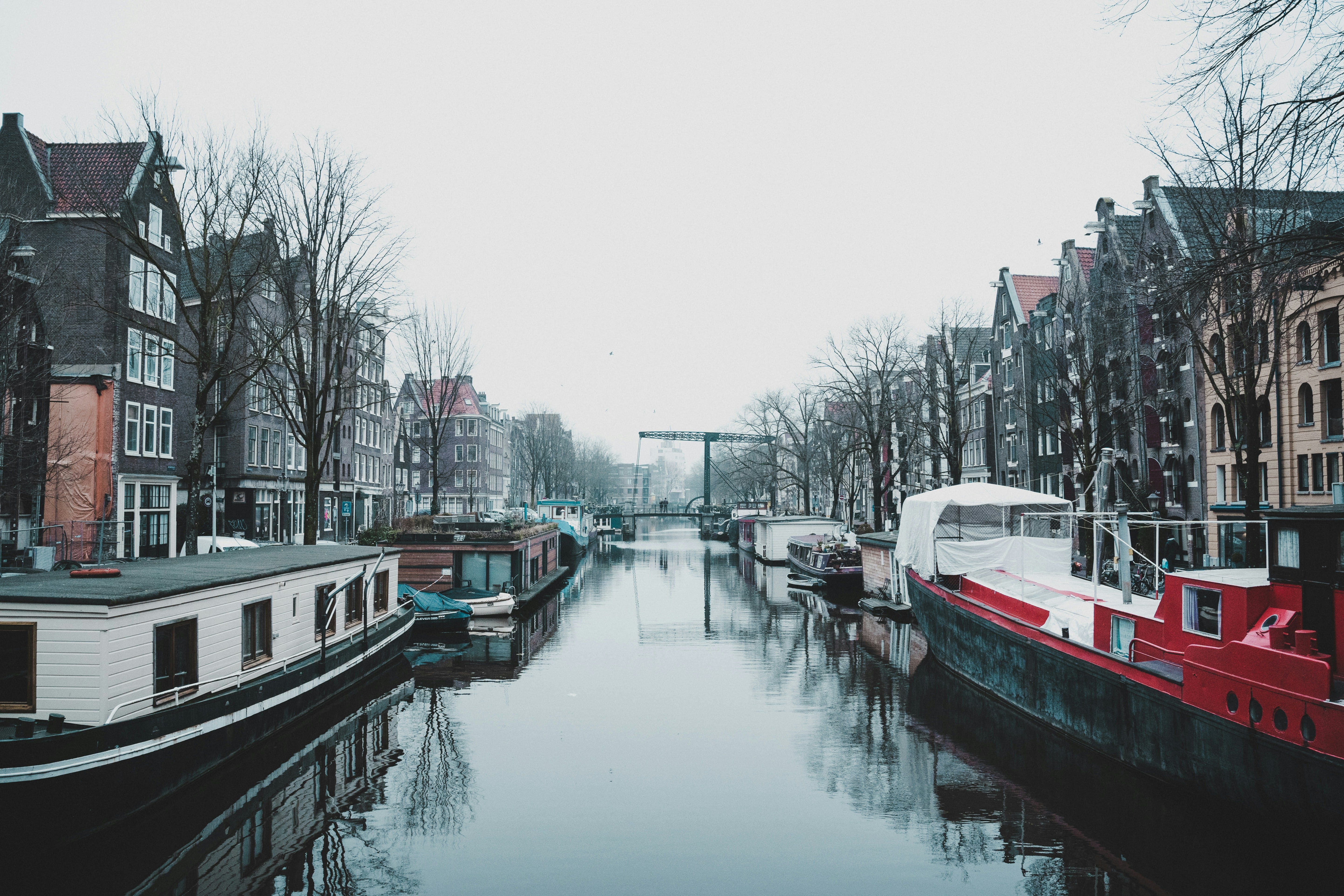
Get your scrapers ready, and maybe your skates as well: winter has come early to the Netherlands this year. November was colder than usual, so now everyone is wondering if we’ll get real ice and snow, or if it will turn into another mild, grey winter. Here’s what the forecasters are saying and what it could mean for your plans.
The first hard frost
On Sunday night into Monday, the Netherlands had its first official “moderate frost” (matige vorst) of the winter. The lowest temperature was minus 6.4 degrees in Enschede, and at the KNMI’s national station in De Bilt it dropped to minus 5.2 degrees, making it official. Forecasters use different categories for frost: moderate frost is when the minimum temperature is between minus 5.1 and minus 10 degrees. Above that is called “light” frost, and below it is “severe.”
This is earlier than usual. Based on the current climate average (1996-2025), De Bilt normally sees its first moderate frost around December 23, so this year is ahead of schedule. It’s the end of a very cold month, and forecasters at Weeronline say November already had the most frost days since 2016.
Will there be skating and snowmen?
This is the question that comes up every Dutch winter, and the honest answer is: there will probably be some ice and snow, but don’t expect a classic winter. Seasonal forecasts, including those shared at the KNMI’s annual “winter meeting” by experienced forecaster Reinout van den Born, suggest a mild winter. The most likely outcome is a mild or fairly mild winter with a few colder spells, about a 70 percent chance, while there’s around a 30 percent chance of a colder winter with more ice and snow.
Still, even a mild winter can bring some wintry surprises. Forecasters highlight two periods to watch: the first half of December and possibly February, when snow and frost are most likely. January, on the other hand, is expected to be mostly mild, with lots of south-westerly winds and rain instead of snow. So while the dream of natural ice or even the famous Elfstedentocht (the eleven-city skating tour last held in 1997) isn’t gone, long stretches of winter weather are unlikely.
There is one hopeful sign: snow cover is building up across Scandinavia. A thick layer of snow and cold air over northern and eastern Europe can make it more likely for a wintry spell to reach the Netherlands, if the weather patterns line up just right.
SPONSORED
You’re overpaying your accountant. And they still don’t call you back.

Neno gives you a dedicated bookkeeper, automated admin, real-time financial insights and a free business bank account. Everything your business needs, in one place.
No chasing. No surprises. No unnecessary costs.
El Niño
You might have seen headlines about a very strong El Niño, which is the periodic warming of the Pacific Ocean that affects weather around the world. The US climate agency NOAA says there’s more than a 90 percent chance of a very strong El Niño this autumn and winter, with its peak expected between October 2026 and January 2027.
Nevertheless, KNMI says El Niño doesn’t have a clear or direct effect on Dutch winter weather. The Netherlands is far from the Pacific, and there’s no proven link between El Niño and winter temperatures here. For Europe overall, seasonal models suggest a mild, wet, westerly flow, which matches the idea of a mild winter, but you can’t blame El Niño alone for that. In short, El Niño is interesting globally, but it’s not a reliable way to predict if you’ll be skating on your local ditch.
How to prepare for the frost
No matter what the season brings, the cold has already arrived, so a bit of preparation can save you trouble. With frost like this, a few practical steps can help you avoid problems: let your car warm up and scrape all the windows before driving (not just a small spot, since that’s also an offence); protect outdoor water pipes and garden taps by draining or insulating them to prevent freezing and bursting; bring in or cover frost-sensitive plants; check on elderly neighbours during cold spells; and if you cycle, watch out for black ice on bridges and bike paths, since they freeze first. At home, it’s a good idea to check that your heating works before the real cold sets in.
One last thing to keep in mind: seasonal forecasts made months in advance are uncertain and show general trends, not exact predictions. You’ll only get reliable details a week or two ahead. For now, enjoy the early frost, keep your skates ready just in case, and check the KNMI forecast before making any weather-dependent plans.