


See more of Dutch Brief in your Google search results
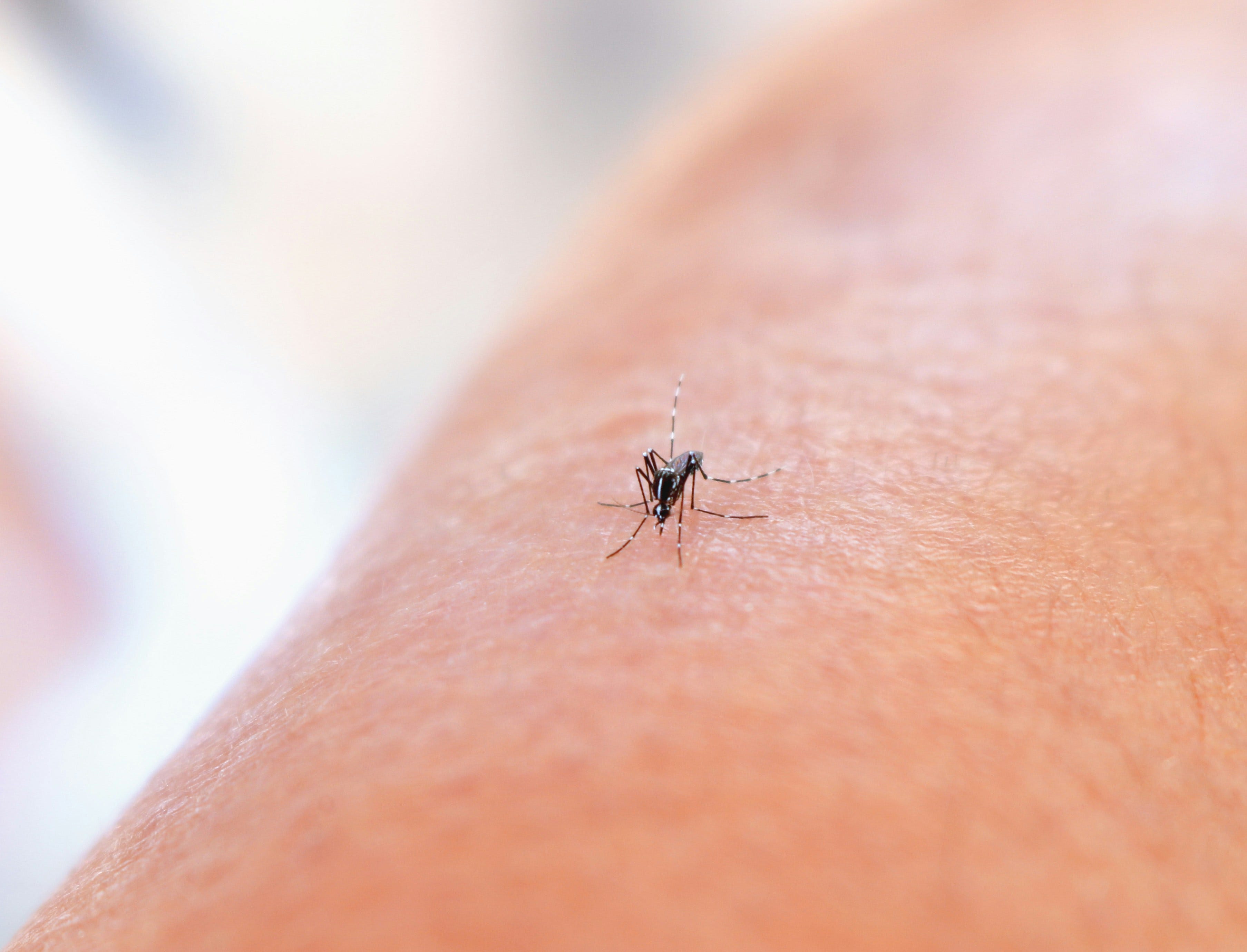
West Nile virus has been detected in a blood donor in the Netherlands, in what is believed to be the first human infection contracted in the country in six years. The public health agency RIVM, which reported the case, stresses that the risk of catching the virus in the Netherlands remains small.
What was found
The infection was picked up in August, during a screening study by the blood bank Sanquin among donors in areas where the West Nile virus had previously been found in people, horses, birds or mosquitoes. A laboratory test detected the virus in one donor, who lives in the province of Utrecht.
Notably, the donor has no symptoms and has not developed any. Because the person has not been abroad recently, the RIVM concludes that the infection was most likely contracted in the Netherlands. It is the first confirmed human case originating in the country in 2026, and the first since 2020, when people last caught the virus locally.
What West Nile virus is
West Nile virus circulates mainly in birds. The common house mosquito can pick up the virus when it feeds on the blood of an infected bird, and can then pass it on to other birds, to mammals such as horses, and to humans. Importantly, people and horses cannot pass the virus on to others; it is spread by mosquito bites, not from person to person.
The illness it causes is called West Nile fever, and for most people it is mild or unnoticed. According to the RIVM, around 80 percent of those infected have no symptoms at all, about 19 percent develop flu-like symptoms, and roughly 1 percent go on to develop neurological problems. The people most at risk of becoming seriously ill are those over 50 and those with weakened immune systems, whether through illness or medication. In a small number of severe cases, the infection can be fatal.
SPONSORED
You’re overpaying your accountant. And they still don’t call you back.

Neno gives you a dedicated bookkeeper, automated admin, real-time financial insights and a free business bank account. Everything your business needs, in one place.
No chasing. No surprises. No unnecessary costs.
A sign that infected mosquitoes are active
The human case does not stand alone. The RIVM said the virus has also recently been detected in a horse and in a bird in different parts of the country. Taken together, those findings indicate that mosquitoes capable of carrying West Nile virus are currently active in the Netherlands.
That the virus is turning up here at all reflects a broader pattern. West Nile virus has been spreading gradually across Europe in recent years, and warmer summers create more favourable conditions for the mosquitoes that transmit it, something scientists link to a changing climate. Even so, the RIVM is clear that it remains very unlikely for people in the Netherlands to fall ill with West Nile fever.
How to protect yourself
Because there is no vaccine for people, avoiding mosquito bites is the main precaution, and the measures are simple and familiar. Mosquitoes are most active around dusk. The RIVM advises wearing clothing that covers the skin, such as long sleeves and long trousers, using mosquito repellent on exposed skin, fitting insect screens on windows and doors to keep the insects out, and sleeping under a mosquito net where appropriate.
For most people, this is a low-risk situation rather than a cause for worry. A range of organisations, including the RIVM, regional health services, blood bank Sanquin, veterinary and food-safety bodies and university researchers, are monitoring the spread of the virus in birds, mosquitoes, horses and people, and will keep a close eye on how the situation develops through the rest of the summer.