


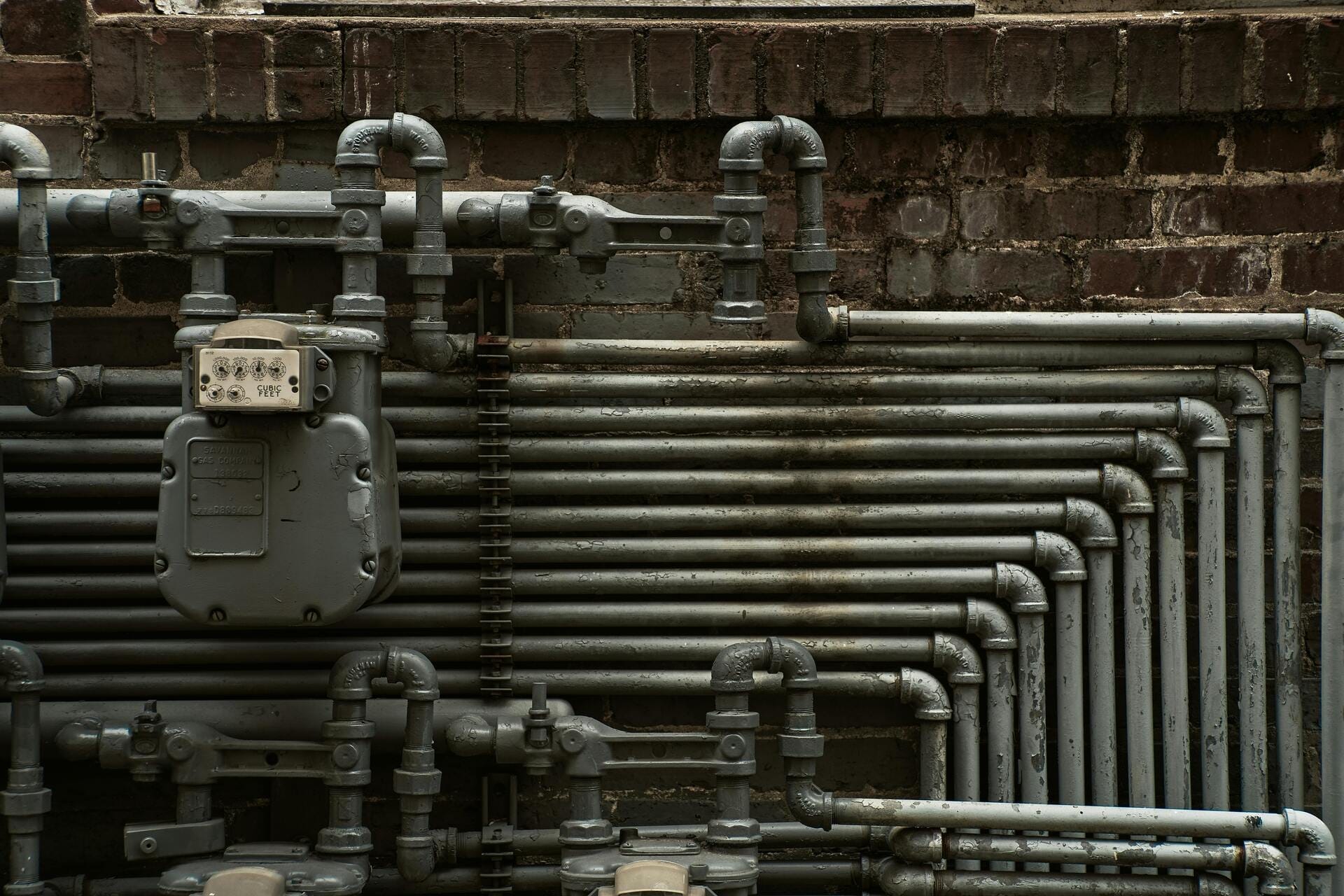

As authorities continue investigating last week’s explosion in central Utrecht, attention has increasingly shifted toward the city’s aging gas infrastructure. Emergency services have said a gas leak is the most likely cause of the blast that destroyed several homes and injured four people. While the full investigation is still ongoing, early findings have triggered wider questions about how quickly old gas lines are being replaced in densely populated Dutch cities.
The pipeline was known, but replacement was years away
Local reporting confirms that the gas pipeline running beneath the affected street was more than 30 years old and was not scheduled for replacement until 2028. That timeline has drawn criticism from residents and experts, especially given the pipe’s location beneath historic buildings and narrow streets where damage can quickly escalate.
Dutch gas network operators work with long-term replacement schedules based on age, material, usage and risk assessments. However, this case shows how even infrastructure that is officially still “within lifespan” can pose serious risks, particularly when combined with construction work, ground movement, or corrosion.
Old gas lines remain widespread in Dutch cities
Although the Netherlands is slowly transitioning away from natural gas, millions of homes remain connected to the gas grid for heating and cooking. In many older cities, large parts of the network were installed decades ago, sometimes using cast iron or early steel pipes, which are more vulnerable than modern plastic alternatives.
While serious gas explosions are rare, experts note that leaks can go unnoticed for some time. Gas can accumulate in enclosed spaces such as basements or crawl spaces before being ignited by a spark, electrical device, or renovation work. In tightly built urban areas, the impact can be devastating.
Why replacement schedules are under pressure
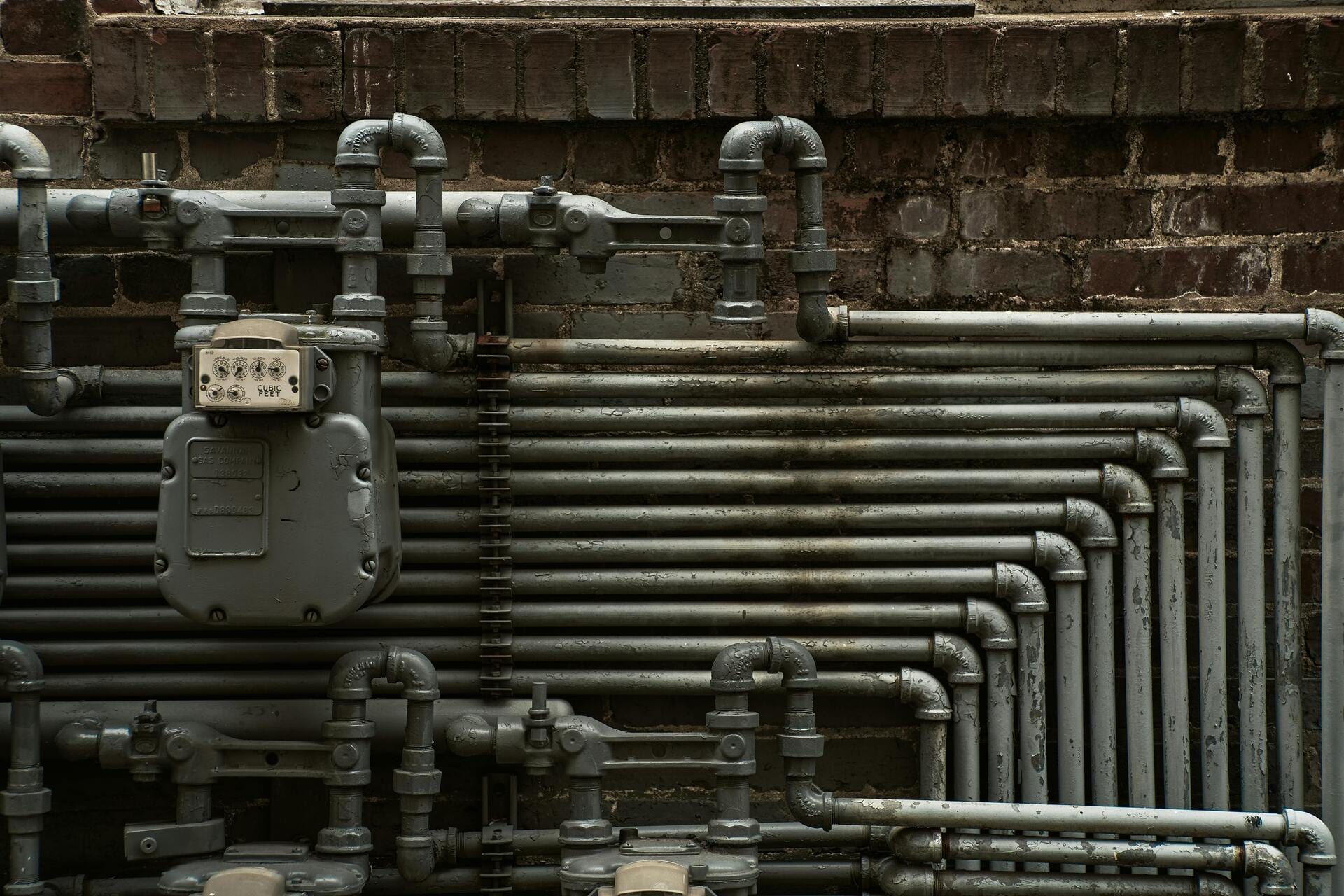
Replacing gas infrastructure is slow, expensive, and disruptive. Streets often need to be opened for weeks, affecting traffic, businesses, and residents. Network operators therefore plan replacements years in advance and coordinate them with other infrastructure projects such as sewer upgrades or heat network installations.
However, the Utrecht explosion has reignited debate over whether current risk models are cautious enough, especially in older city centres where buildings are fragile and evacuation options are limited. Critics argue that replacement should be prioritised not just by pipe age, but also by urban density and potential impact.
Gas phase-out adds complexity
The issue is further complicated by the Netherlands’ long-term goal to phase out natural gas entirely. Some gas lines are being kept in service longer than originally planned because neighbourhoods are waiting to be connected to district heating or other alternatives. This can create a grey area where pipelines are maintained, but not replaced, because they are expected to be decommissioned in the future.
In practice, delays to heat networks and electrification mean many of these pipes remain in use for years longer than expected, increasing the importance of safety monitoring and interim upgrades.
Immediate safety measures after the blast
Following the explosion, gas supplies in the surrounding area were shut off as a precaution, and inspections were carried out on nearby pipelines. Residents were warned to remain alert to the smell of gas and report concerns immediately. Several streets remain closed while structural and underground safety checks continue.
Municipal authorities have said they are working closely with the gas network operator to assess whether replacement timelines elsewhere in the city should be reviewed in light of the incident.
Broader implications beyond Utrecht
The Utrecht explosion is now being closely watched nationwide. Other municipalities with large stocks of old housing and historic infrastructure are likely to reassess whether planned gas replacements are happening fast enough. Politicians have already begun calling for clearer national guidance on prioritising pipeline upgrades in high-risk urban areas.
As the Netherlands navigates the long transition away from gas, the Utrecht blast highlights a difficult reality: old gas networks still matter, and their risks do not disappear simply because a phase-out is planned. Until alternatives are fully in place, maintenance, monitoring and timely replacement remain critical to preventing similar disasters.