


See more of Dutch Brief in your Google search results
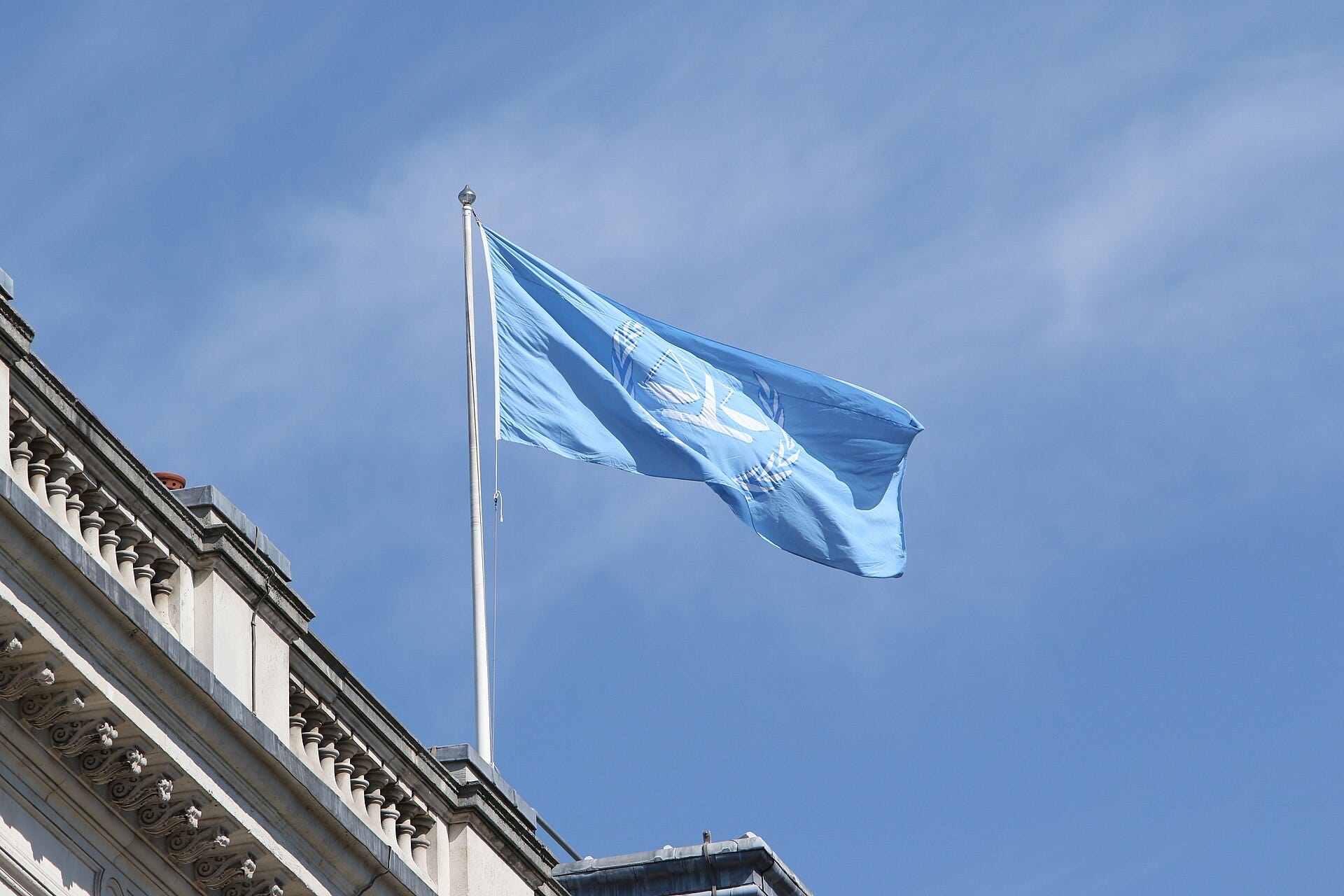
The United States has launched a campaign to dismantle the International Criminal Court (ICC), the war crimes tribunal based in The Hague, marking a sharp escalation of a long-running conflict between Washington and the court. Where the US had previously imposed sanctions on individual court staff, it is now openly seeking to shut the institution down.
What the US announced
Secretary of State Marco Rubio set out the campaign on Monday in an opinion piece in the Wall Street Journal, a video message and a statement from the State Department. “Using all the tools at our government’s disposal, working beside every ally with whom we can make common cause, we will dismantle the ICC, brick by brick, if necessary,” Rubio wrote, framing the effort as a choice of “sovereign states over globalism.”
The State Department described the plan as a coordinated, government-wide effort to disable the court’s ability to operate. According to a State Department official, quoted by the Reuters news agency, the measures under consideration include travel bans, visa revocations, further sanctions against the court and organisations linked to it, and diplomatic pressure on other countries to reject its authority or withdraw from it. Senior US officials, including Rubio, are said to be contacting governments to try to isolate the court diplomatically.
The US argument
Rubio’s central argument is that the ICC threatens American sovereignty by claiming the power to prosecute US citizens, including soldiers, officials, law enforcement officers and elected leaders, over whom, he says, it should have no authority. “To accept the ICC is to surrender control of our national destiny,” he wrote. The United States has never joined the court and has long rejected its jurisdiction over Americans.
The US grievances have two main sources. The first is an investigation, opened in 2020, into alleged war crimes in Afghanistan, which at the time included the conduct of US forces. The second is the court’s decision in 2024 to issue arrest warrants for Israeli prime minister Benjamin Netanyahu and former defence minister Yoav Gallant, as well as Hamas leaders, over the war in Gaza. Israel is a close US ally, and the earlier US sanctions targeted court officials, including chief prosecutor Karim Khan, over those investigations.
SPONSORED
You’re overpaying your accountant. And they still don’t call you back.

Neno gives you a dedicated bookkeeper, automated admin, real-time financial insights and a free business bank account. Everything your business needs, in one place.
No chasing. No surprises. No unnecessary costs.
What the ICC is, and the response
The ICC was set up in 2002 under a treaty called the Rome Statute to prosecute the gravest crimes: genocide, war crimes and crimes against humanity. It has 125 member states. It is generally able to investigate only crimes committed on the territory of, or by nationals of, those member states, or cases referred to it by the UN Security Council.
Supporters of the court and legal experts say the US campaign misrepresents what it can do. Kenneth Roth, the former head of Human Rights Watch, told the Guardian that “the ICC is not claiming jurisdiction over conduct in the United States,” pointing out that the court can only act in relation to its member states. Others noted that the Afghanistan investigation has, since 2021, focused mainly on the Taliban and the former Afghan government rather than on US troops. The United Nations has defended the court, saying it helps bring accountability. In June, three ICC judges took the Trump administration to court in New York over the earlier sanctions, which they argue are unlawful.
The Netherlands’ role as host
The story has particular significance for the Netherlands, which hosts the court in The Hague and is one of its 125 members. As the host country, the Netherlands has a special responsibility to protect the court’s ability to function. Anyone the ICC detains is held on Dutch soil, in the cells at Scheveningen prison, and the Netherlands provides security and day-to-day support.
The Dutch government has previously described US sanctions on the court as a “worrying signal,” though it has taken little concrete action in response. The current coalition, led by D66, has committed in its coalition agreement to actively promoting the international legal order, while also trying to keep relations with Washington on an even keel, two aims that this campaign places in tension.
What happens next
For now, the Dutch cabinet has not responded to Monday’s announcement, with ministers away over the summer. How far the US campaign goes will depend in part on how many other countries join it, and on how the Netherlands and other European governments, many of which are ICC members and US allies at the same time, choose to respond.
Monday the Secretary of State promised to dismantle the International Criminal Court "brick by brick." Down in Evangeline Parish we've seen this maneuver before. Two minutes. We Aren't Stupid – Brick by Brick.
https://rossboulton1.substack.com/p/we-arent-stupid-brick-by-brick?r=2leuaj&utm_campaign=post&utm_medium=web&showWelcomeOnShare=true